
 Μake us preferred on Google
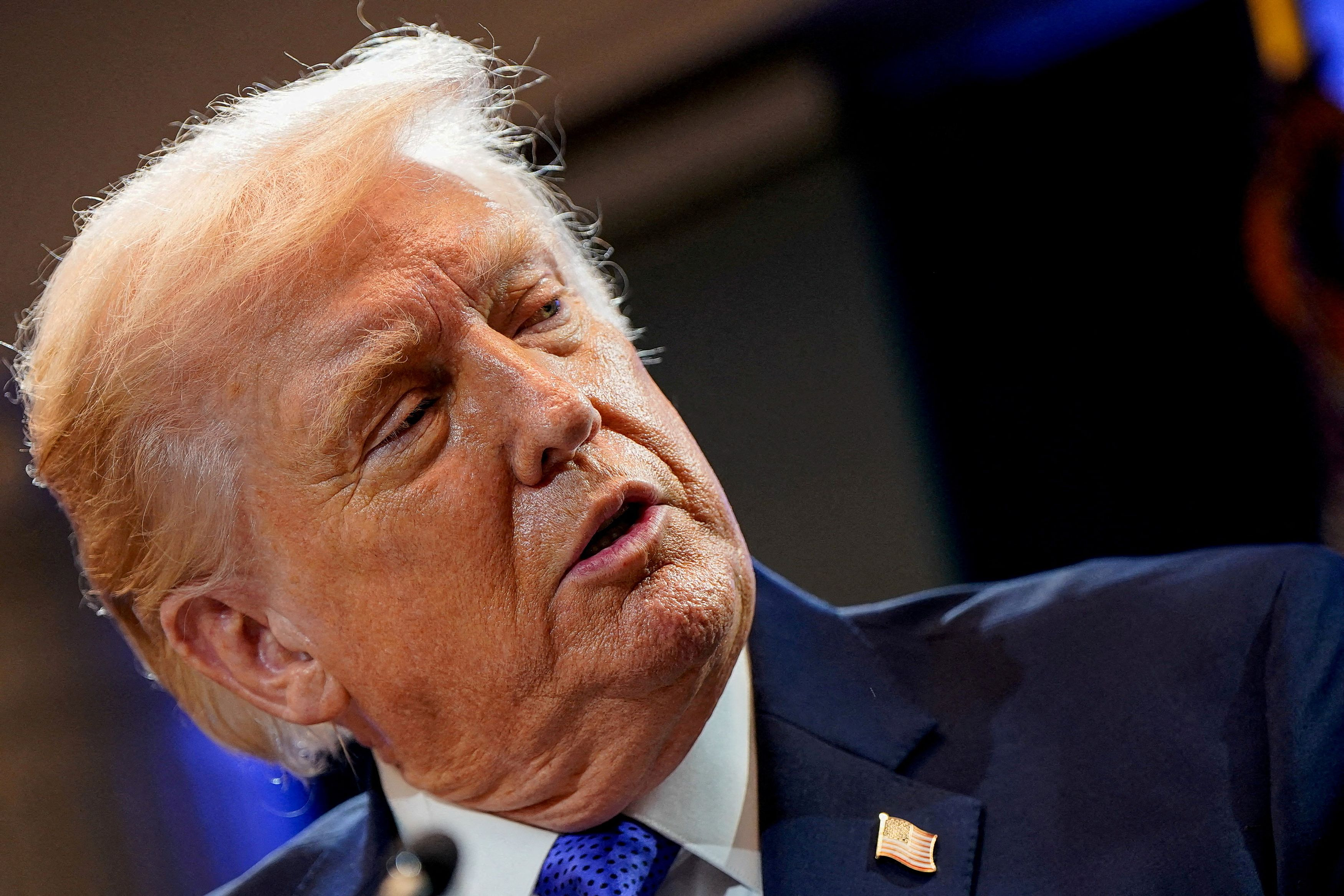
 President Trump ’s new plan for tariffs puts his trade agenda on a collision course with the midterm campaign season.
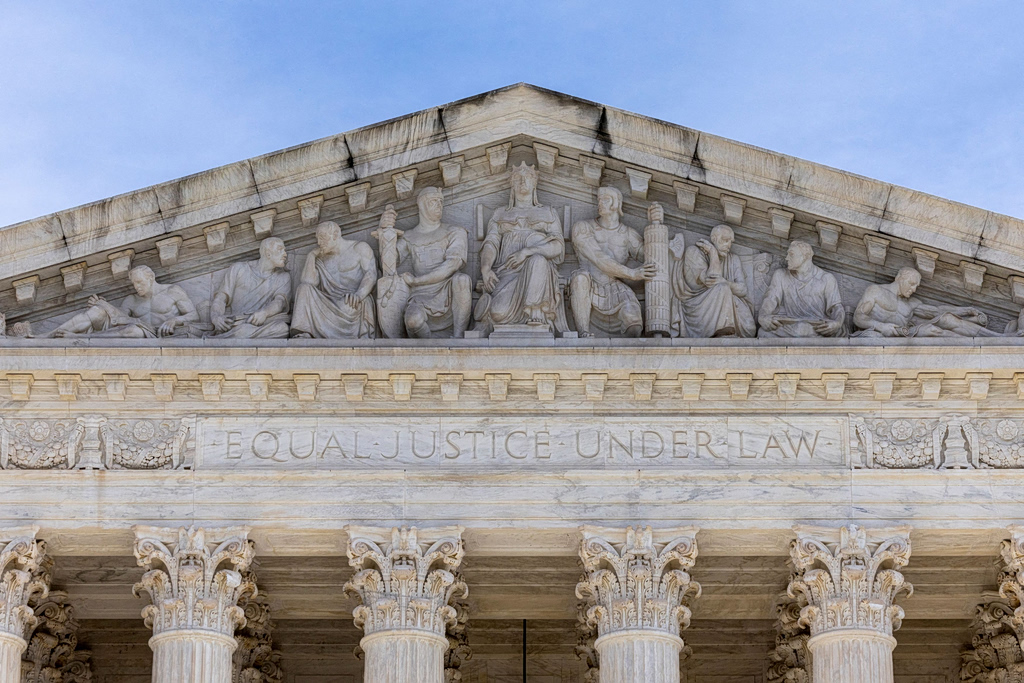
Just hours after his main tariff rationale was invalidated by the Supreme Court on Friday, Trump announced he would implement new levies under two separate legal authorities—one short term, another longer lasting.
Some of the new tariffs Trump wants to impose require congressional approval to extend beyond five months. Others require months of investigations before they can be put into place. In both cases, that pushes key tariff decisions into the summer, just months before November’s midterms when many Republicans are likely to be especially sensitive to complaints about inflation and affordability .
In a sign of growing anxiety toward his tariffs, six GOP lawmakers voted with Democrats last week in an attempt to rein in Trump’s tariff powers in the House of Representatives. The Senate passed three similar resolutions last year on narrow bipartisan votes. Now, Republicans running for re-election will have to grapple with tariff drama along with other attacks from Democrats on the economy.
“The potential that they could be asked by the White House to vote to levy higher tariffs on their constituents is not something Congress would look forward to,” said former Rep. Kevin Brady , a Republican from Texas, who led the Ways and Means Committee during Trump’s first term. “The conventional wisdom is that there isn’t support for that.”
On Friday, House Speaker Mike Johnson (R., La.), who has defended the president’s tariffs, said Congress and the administration “will determine the best path forward in the coming weeks.”
The Supreme Court ruling also left many questions about Trump’s past and future trade policies unanswered. There could be years of litigation to determine what happens to more than $130 billion in tariffs collected under the now-invalid policy. And the White House on Friday didn’t give clear specifics about how the new tariffs would work or whether key products might be exempted. This could set off a fierce lobbying process in Washington and around the world.
The Supreme Court’s decision on Friday caps a year of legal wrangling over Trump’s unprecedented use of tariffs. Since last April, Trump has used emergency national-security powers to levy most of his tariffs—deploying the International Emergency Economic Powers Act, a 1977 law that had never before been used for tariffs. Trump and his team chose that law, in part, because it let him impose tariffs nearly instantaneously, allowing him to threaten other countries with higher levies over trade and nontrade issues alike.
But on Friday, the Supreme Court ruled that Trump’s use of Ieepa for tariffs is illegal, undermining his chosen tool of economic leverage.
The impact of the decision will be “weakening the president’s negotiating power,” said Wilbur Ross , who was secretary of Commerce during Trump’s first term. The other legal options for tariffs, he added, are either time-limited or require extensive investigations before they can be put into place.
Trump on Friday sought to quickly rebuild the tariff regime, posting online that he had signed an order to impose a 10% global tariff under Section 122 of the Trade Act of 1974, which allows the president to impose tariffs up to 15% for 150 days on nations that have persistent trade imbalances with the U.S. After that time, the tariffs would require a vote of Congress to be extended, something Trump didn’t commit to pursuing during an earlier press conference he held following the Supreme Court ruling. According to the order, products from Canada and Mexico that comply with the U.S.-Mexico-Canada Agreement will be exempt from the tariffs.
The Section 122 tariff authority could act as a stopgap while the administration readies more permanent tariffs under Section 301 of the Trade Act, which Trump used in his first term for tariffs on China. That authority is more legally durable than Trump’s Ieepa action and is broadly expected to be upheld in court, depending on the details of the investigations set to be released in the coming weeks.
Trump said that using a combination of those two tariff authorities will allow him to impose even higher tariffs than he did under Ieepa. But trade veterans say that strategy would still be more administratively difficult than his application of the emergency law, which allowed him to alter tariff levels with simple proclamations.
The Supreme Court decision “takes away a pretty significant tool the president has been using,” said Everett Eissenstat, deputy director of the National Economic Council in Trump’s first term. “The other statutory authorities are not as flexible as Ieepa.”
Additionally, Trump could expand other tariffs that he has already imposed in his second term, like the sector-specific tariffs on steel, aluminum, cars, trucks, lumber and other industries that are outside the scope of the Supreme Court case. Those levies, imposed under Section 232 of the Trade Expansion Act of 1962, are already being applied more broadly than in previous terms and could be expanded further. Supporters of the administration’s trade agenda say his team has already been leaning more on the Section 232 tariffs in recent months , decreasing the relative importance of the Ieepa duties.
“While this impacts an important pillar of the administration’s priorities, Ieepa was not the only pillar and, frankly, the administration has moved past Ieepa now,” said Nazak Nikakhtar, a former Commerce Department official in Trump’s first term now at Wiley Rein.
The durability of Trump’s Section 232 tariffs will also help preserve many of the trade agreements that Trump has signed with major economies in the past year. Many of the U.S.’s largest trading partners—including the European Union, Japan and South Korea—secured lower Section 232 tariffs on automobiles as part of those agreements. Since those auto tariffs are not affected by the decision, other governments are likely to persist in the agreements even without the Ieepa levies in place.
There is much less certainty for U.S. businesses that have paid about $130 billion in Ieepa tariffs. More than 1,000 companies have petitioned for refunds in the event the tariffs are struck down, but the Supreme Court didn’t lay out a process for those refunds to be processed, leaving the issue up to lower courts.
Business leaders on Friday called on the administration to quickly set up a process to process refunds, but Trump indicated that there may be more litigation before any money is paid out. “We’ll end up being in court for the next five years,” Trump said during his press conference.
Write to Gavin Bade at gavin.bade@wsj.com