The current El Niño event could develop into the strongest ever observed, with the World Meteorological Organization warning that its effects may extend well into 2027 and increase the risk of extreme weather around the world.
The U.N. weather agency said Thursday that there is a near 100% probability the phenomenon will continue through February 2027, driven by exceptionally warm temperatures in the Pacific Ocean. The WMO said it has never before expressed such a high level of certainty about an El Niño event persisting.
WMO Secretary-General Celeste Saulo said the phenomenon could surpass all previous events if current conditions continue.
El Niño occurs when sea-surface temperatures in the eastern Pacific rise as trade winds weaken. The phenomenon typically develops every two to seven years and can last up to a year, disrupting rainfall and temperatures across Latin America and beyond.
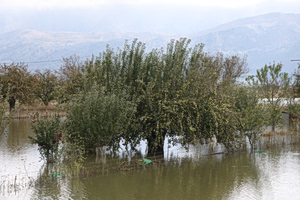
Particularly strong events can contribute to severe weather worldwide, including droughts and typhoons.
Pacific temperatures already more than 2C above normal
The WMO said ocean temperatures in the Pacific associated with this year’s event are already more than 2 degrees Celsius above normal.
The current El Niño is only the fourth event classified as “very strong” in records going back to 1950.
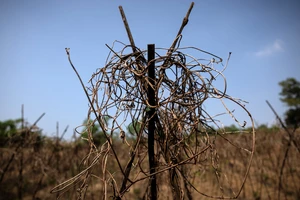
The phenomenon is already affecting agriculture and food supplies. Its impact has contributed to widespread crop failures in Central America’s Dry Corridor, creating a severe food crisis and putting pressure on tropical commodity markets.
U.N. Secretary-General Antonio Guterres described the event as an unusually large El Niño developing against a backdrop of rapidly warming ocean waters.
Although El Niño itself is a naturally occurring climate phenomenon and is not directly caused by fossil fuel-driven climate change, warmer ocean conditions can make its effects more pronounced.
2027 could become hottest year on record
The WMO expects the current El Niño to reach its peak toward the end of 2026. Its influence, however, is expected to continue into the following year.
The agency said El Niño events are generally followed by a temporary rise, or “pulse,” in global temperatures. The most recent record-holder is 2024, which was the hottest year recorded so far.
The agency is increasing preparedness and early-warning efforts so governments can respond before conditions worsen. Measures could include switching to drought-resistant crops in vulnerable areas.
The WMO said it is also working with U.N. and humanitarian partners to provide climate information for disaster management and sectors vulnerable to weather conditions, including agriculture, health, energy and water resources.