 Μake us preferred on Google
Greek police are on heightened alert ahead of nationwide student and education-sector protests, with authorities preparing for possible clashes during demonstrations scheduled for Tuesday and Wednesday in Athens and other cities.
Konstantina Dimoglidou, the Hellenic Police spokesperson, said officers were prepared for all possible scenarios and would maintain a presence wherever problems could arise.
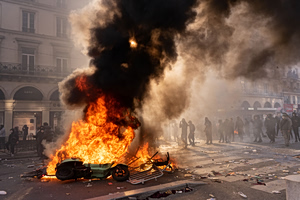
“There is a plan to ensure that police are present wherever a problem could occur,” Dimoglidou said in remarks to Greek broadcaster SKAI on Tuesday. She stressed that authorities would not allow incidents that could endanger human life and suggested that some people might seek to imitate unrest seen abroad.
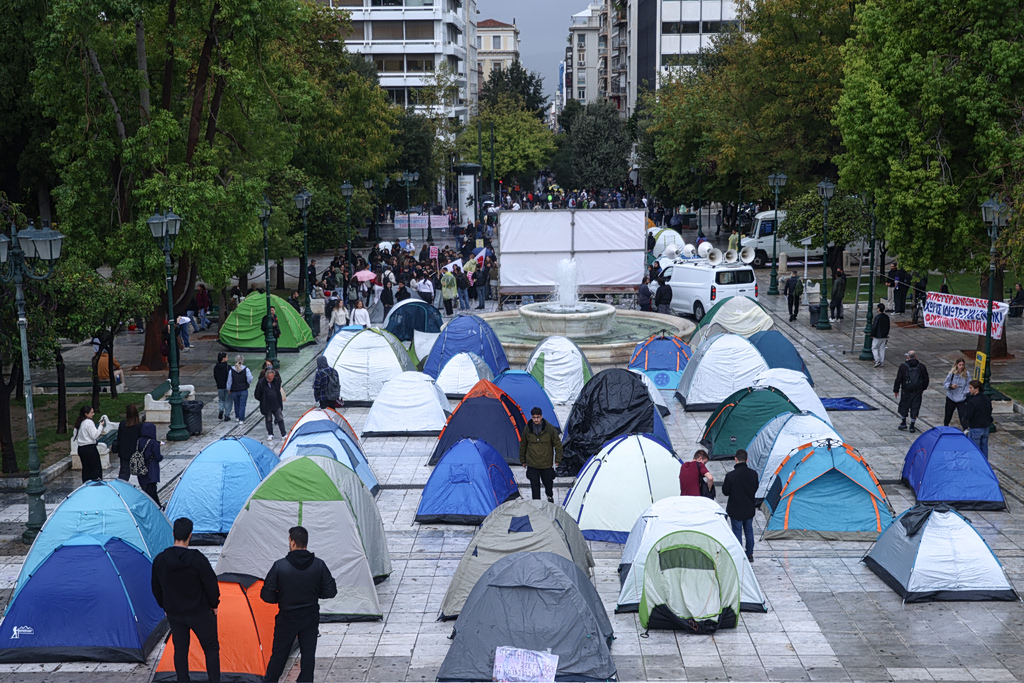
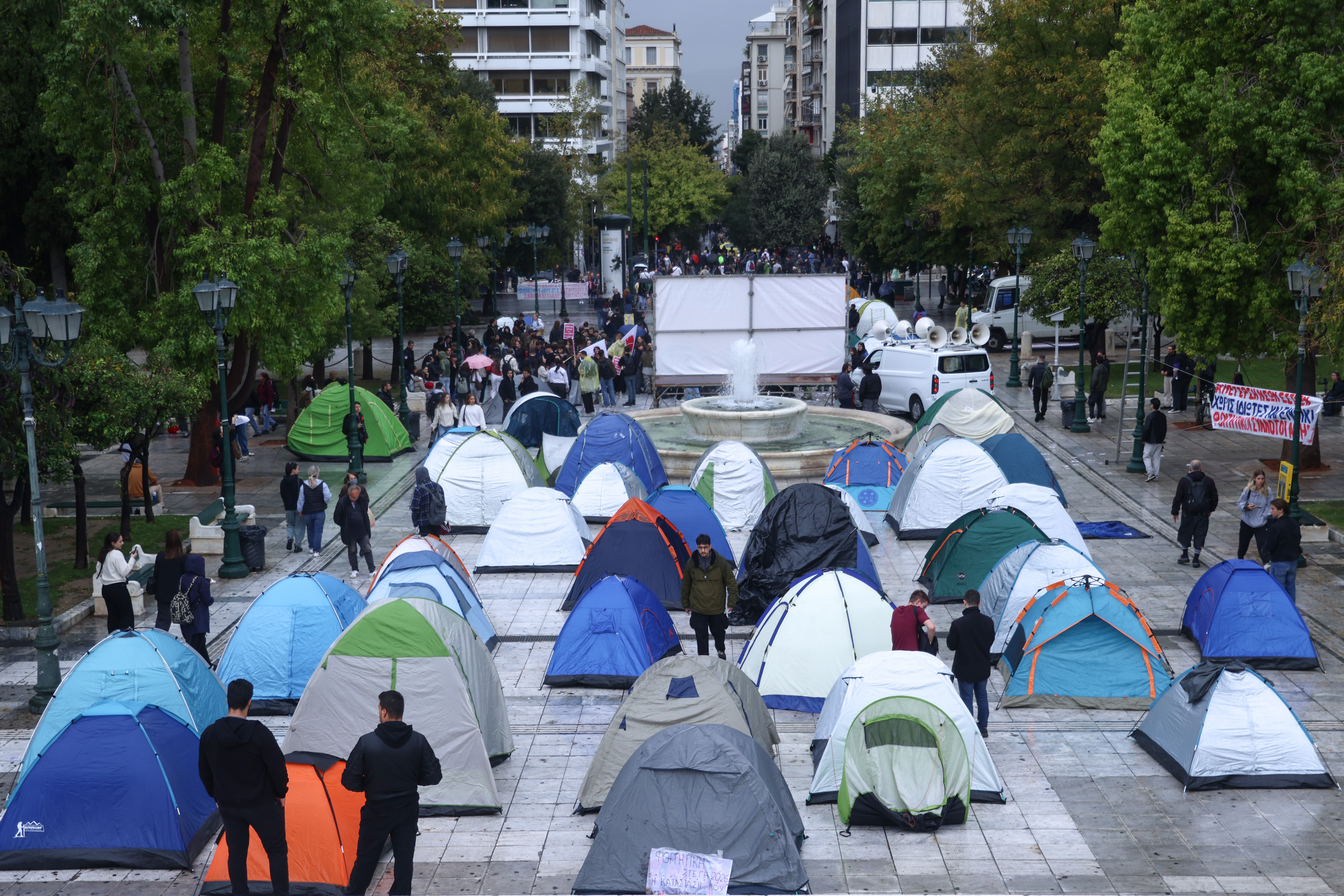
Demonstrations are scheduled for Tuesday evening and Wednesday, with students planning to gather in central Athens and set up tents in Syntagma Square, outside the Greek Parliament. Police will allow students to camp in the area, as they did during a similar protest several days earlier, Dimoglidou said.
However, the police spokesperson warned that Wednesday could be a difficult day and urged the public to avoid central Athens if possible.
Police consider Metro closures and tighter security
Authorities are considering closing some Metro stations in central Athens as part of their operational plan, Dimoglidou said.
Police will also guard selected locations, including shops and embassies, to prevent vandalism. The measures are intended to protect the public and allow people to demonstrate peacefully.
The immediate concern comes ahead of a broader mobilization involving students, school pupils and education workers. An initiative backed by 17 student associations plans to begin camping in Syntagma Square after 6 p.m. Tuesday, ahead of Wednesday’s demonstrations.
A key question is whether police and student groups will be able to prevent troublemakers from joining the protests and triggering violent incidents.
Political tensions rise ahead of demonstrations
The protests are taking place amid heightened political debate following unrest in France and Italy.
Panos Lamprinidis-Stachtos, a former secretary of SYRIZA’s youth organization who is now associated with the Greek Solution party, drew criticism after expressing support for similar mobilizations in Greece.
Speaking to radio station NEO 103.3 during a visit by former prime minister Alexis Tsipras to Volos, Lamprinidis-Stachtos said he hoped Greece would see a comparable wave of protests.
“Come on, let’s have our turn! Greece should be next. We’re close,” he said.
He also predicted that November could bring intense mobilizations led mainly by students and school pupils, linking his expectations to the housing crisis and rising living costs affecting young people.
The remarks prompted reactions from politicians and social media users. Health Minister Adonis Georgiadis intervened, while government spokesperson Pavlos Marinakis drew a distinction between peaceful demonstrations and disorder, condemning the association of public demands with violence.
What protesters are demanding
Wednesday’s demonstrations are expected to take place in cities across Greece. In Athens, the main gathering is scheduled for noon at the Propylaea, near the University of Athens, while a demonstration in Thessaloniki is scheduled for 11:30 a.m.
Several education-sector organizations are supporting the mobilizations through strikes and work stoppages.
The Greek Primary Teachers’ Federation and the Association of Special Education Personnel in Attica have called 24-hour strikes. The Federation of Administrative Staff in Higher Education has announced a work stoppage.
The Supreme Confederation of Parents’ Associations of Greece has also urged families to participate, emphasizing children’s education, health and safety.
Teacher shortages and school conditions at the center
The organizations’ demands focus on persistent problems in schools, including staffing shortages that remain even after the start of the academic year.
According to the strike announcements, schools lack teachers in subjects including music, theater and visual arts, as well as school nurses and psychologists in all-day school programs.
Teachers are also opposing classes with 25 or 26 students, arguing that such numbers make effective teaching more difficult and limit support for children with special educational needs.
School infrastructure is another central concern. Education groups have criticized what they describe as inadequate funding and maintenance problems in school buildings, while calling for comprehensive earthquake-safety inspections.
Their demands also include higher teacher pay, measures to address the rising cost of living and support for educators who work far from their places of residence.
The demonstrations bring together students, school pupils, teachers and parents around concerns about education services, school safety and the financial pressures facing families and education workers.