 Μake us preferred on Google
Governments are locked in a dispute over whether the world’s latest comprehensive climate science assessment will be ready in time for crucial international negotiations in 2028, potentially leaving policymakers without an updated scientific picture as they decide how to respond to global warming.
The disagreement came to a head on Oct. 16, when the Intergovernmental Panel on Climate Change (IPCC), the United Nations body responsible for assessing climate science, suspended its meeting in Addis Ababa, Ethiopia, without reaching an agreement on the timetable for its next major assessment.
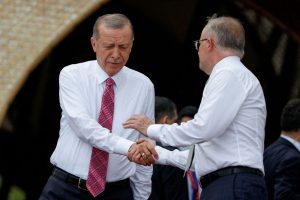
The deadlock comes just weeks before the COP31 UN climate summit opens in Antalya, Türkiye, on Nov. 9, exposing deeper divisions among governments over the urgency of climate action, and raising questions about whether demands for more time reflect genuine concerns about scientific participation, political interests, or both.
The 2028 Report
Under the Paris Agreement, governments periodically assess whether their collective efforts are sufficient to limit global warming and meet international climate goals.
The process, known as the Global Stocktake, takes place every five years. The next assessment is scheduled to conclude in 2028 and will help inform subsequent national climate commitments.
The IPCC’s Seventh Assessment Report, known as AR7, is intended to provide the latest scientific understanding of climate change, including the pace of warming, projected impacts and options for reducing emissions and adapting to a changing climate.
Its three principal working-group reports examine the physical science of climate change, its impacts and adaptation, and strategies for reducing greenhouse gas emissions.
The previous IPCC assessment, completed in 2023, informed the first Global Stocktake at COP28 in Dubai.
This time, however, governments have been unable to agree on whether the three new reports should be completed in time to inform the 2028 negotiations.
The disagreement raises the possibility that countries will conduct their next global review without the benefit of a comprehensive, updated assessment of the latest climate science. Existing IPCC research and other scientific findings would remain available.
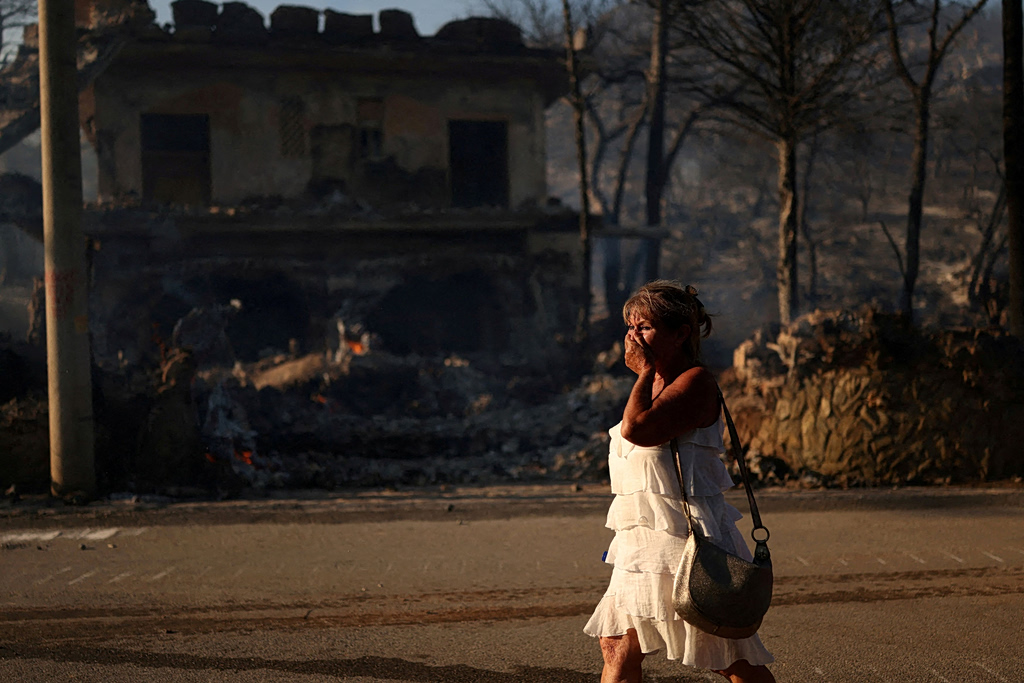
FILE PHOTO: A woman reacts as she walks near a burnt house during a wildfire in Peristeria area, Salamina island, near Athens, Greece, August 16, 2026. REUTERS/Stelios Misinas/File Photo
What is Dividing Governments?
Countries including China, India, Russia, Saudi Arabia and Kenya have pressed for more time, arguing that a faster timetable could limit the participation of scientists from developing countries.
Those concerns are not without foundation. Reuters reported that researchers in less-resourced countries can struggle to publish their work in time for IPCC assessments or take leave from their regular jobs to contribute to the unpaid process.
But the dispute has also raised questions about political motives. Several major fossil-fuel-producing and industrializing countries are among those seeking a delay, while some of the world’s most climate-vulnerable nations are pushing for the reports to be completed before the 2028 negotiations.
According to the Earth Negotiations Bulletin, representatives of several least-developed countries and small island developing states questioned whether calls for greater inclusivity were being used to postpone the climate action they urgently need.
The disagreement therefore extends beyond the practical challenges of producing a scientific assessment. It also reflects deeper divisions over the pace of international climate action and the responsibilities of different countries.
Ethiopia: To Be Continued
The IPCC’s 65th plenary meeting, held from Oct. 12 to 16 in Addis Ababa, Ethiopia, ended without agreement on either the assessment timetable or the organization’s budget for the coming year.
According to the International Institute for Sustainable Development’s Earth Negotiations Bulletin, negotiations continued beyond the scheduled conclusion of the meeting, by which time delegates from several least-developed countries and small island states had departed.
IPCC Chair Jim Skea suspended the session rather than proceed with substantive decisions in their absence. Discussions are expected to resume, although no new meeting date had been announced at the time of the suspension. Scientific work on the Seventh Assessment Report continues.
The IPCC was established in 1988 by the World Meteorological Organization (WMO) and United Nations Environment Programme (UNEP) to assess, in a comprehensive, objective, and transparent manner, the scientific, technical, and socioeconomic information relevant to understanding human-induced climate change, its potential impacts, and adaptation and mitigation options. The IPCC is an intergovernmental and scientific body with 195 member countries.
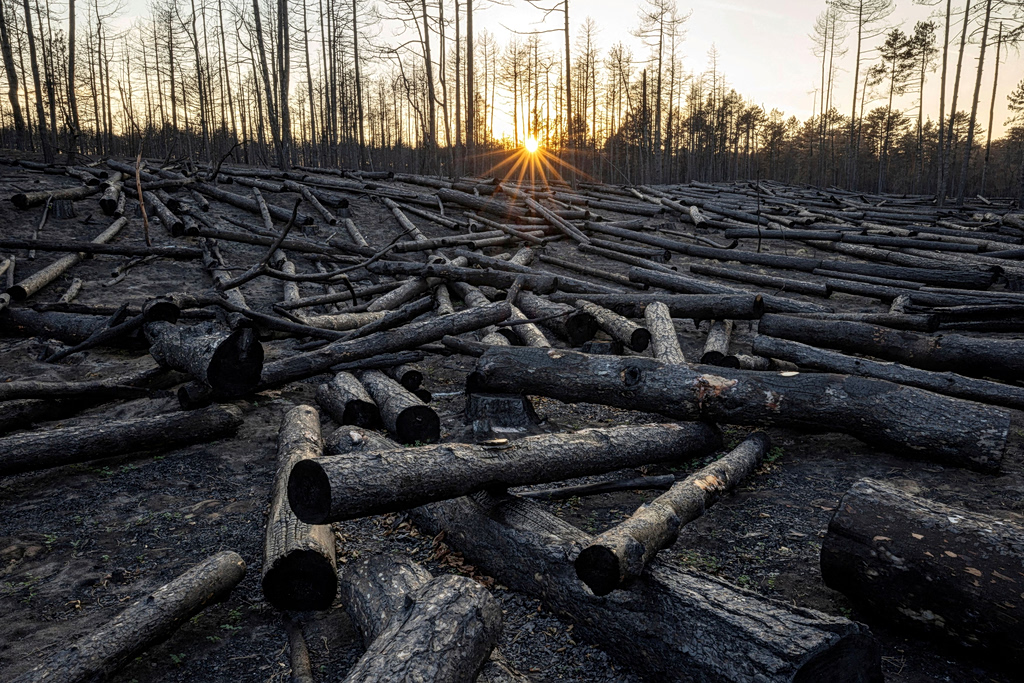
FILE PHOTO: Burnt-out tress that were then cut down lie on the ground after a wildfire in Deliblatska Pescara, near the village of Grebenac, Serbia, September 17, 2026. REUTERS/Marko Djurica/File Photo
cn