Mount Olympus, the mountain that has stood for centuries as one of the strongest and most recognizable symbols of Greek civilization, has now been added to UNESCO’s World Heritage List as a “Mixed Site.”
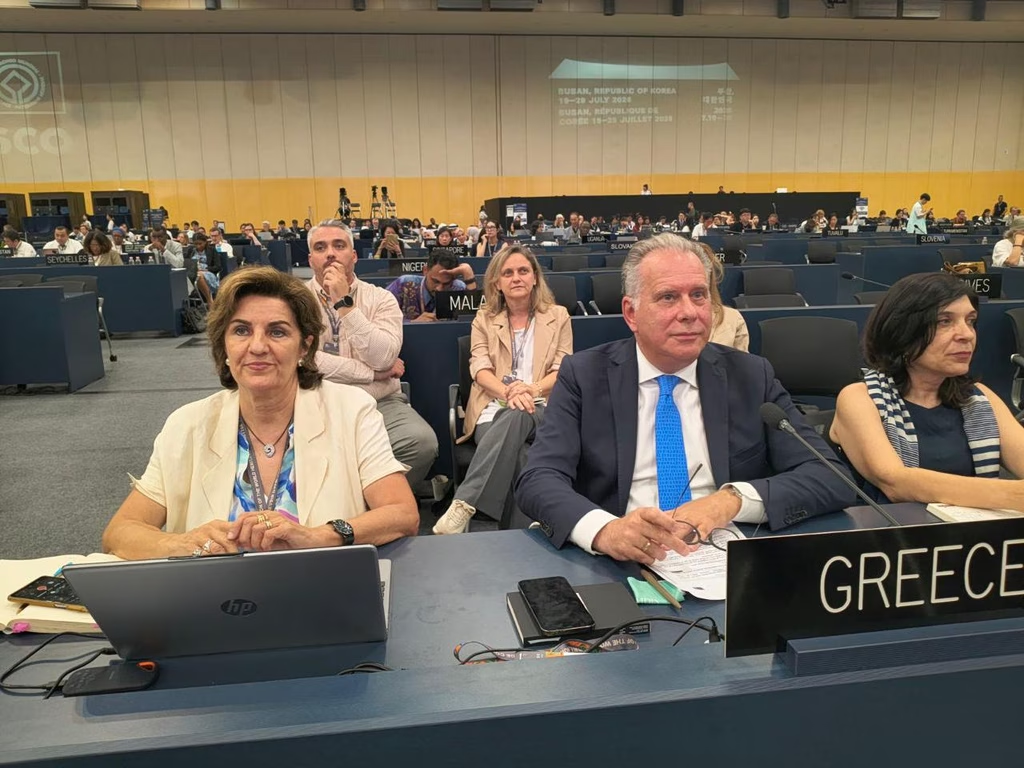
The decision was made unanimously at the 48th session of the World Heritage Committee, held in Busan, South Korea from July 19 to 29, capping off a process that began in 2014 and led to the full nomination file being submitted in 2023.
The listing covers not just the Mytikas peak or the core of the National Park, but the “wider Olympus region,” recognizing the mountain’s Outstanding Universal Value and placing it among the world’s most iconic monuments, those requiring special protection and care for humanity’s benefit.
A Rare UNESCO Category
Olympus was added to UNESCO’s World Heritage List as a Mixed Site, meaning both its cultural and natural value were recognized at the same time. Mixed listings make up a small share of the overall list and require documenting distinct but interconnected features of the same location. With this decision, Greece now has 21 entries on the UNESCO list, three of which, Olympus, Meteora and Mount Athos, are classified as Mixed Sites.
For Olympus, UNESCO approved cultural criterion (vi), covering a site’s direct link to events, ideas, traditions and works of universal significance, and natural criterion (x), covering areas especially important for preserving biodiversity and endangered species.
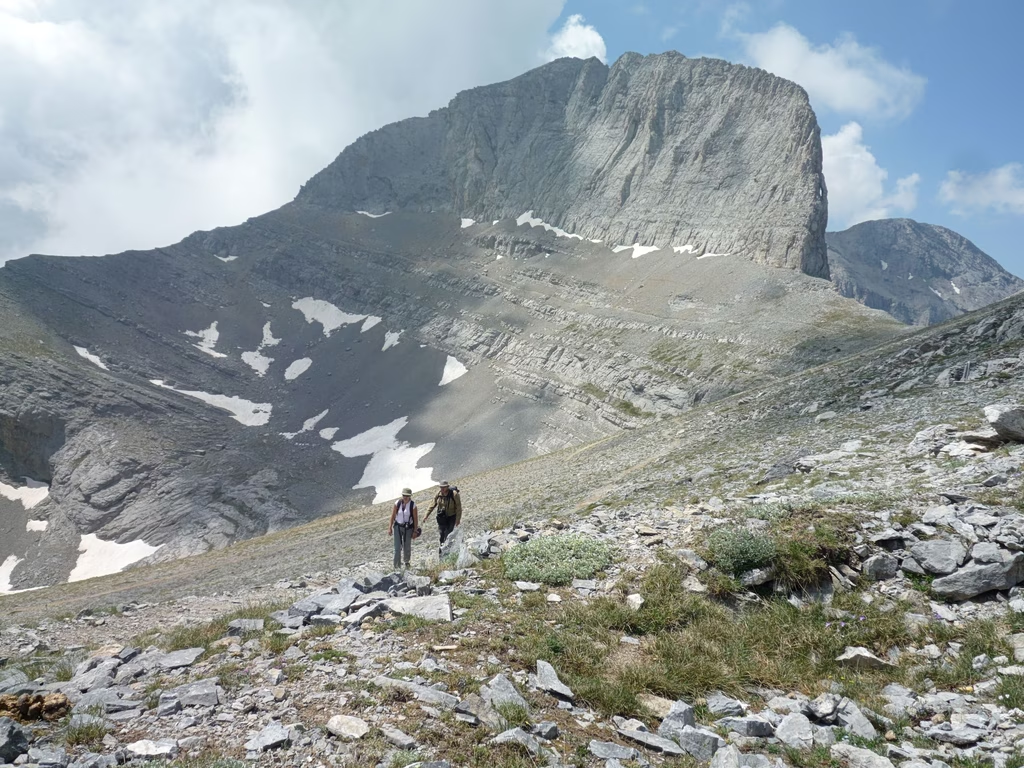
Stefani Peak
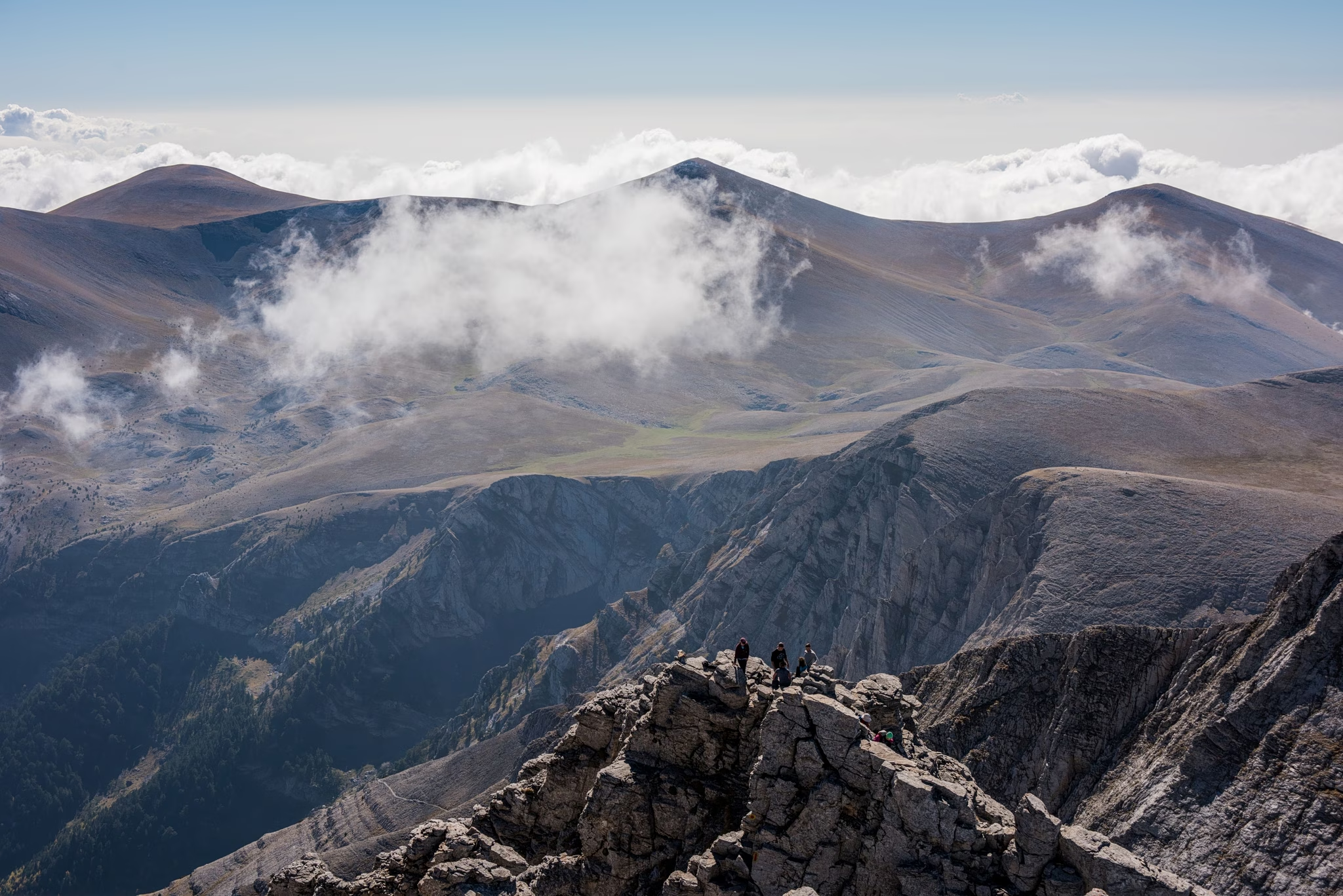
According to UNESCO’s official description, Olympus sits in northern Greece as the country’s tallest mountain, and its closeness to the sea combined with its steep rise creates striking variety in terrain, climate and vegetation. Ancient Greeks placed the home of their twelve Olympian gods here, with Zeus at their head, along with the Muses and the Graces. Through the works of Hesiod and Homer, Olympus became a central reference point for Greek mythology across the Greek and Roman world, turning the mountain into a lasting emblem of Greek civilization. The description also highlights striking landforms, including glacial valleys, limestone cliffs, karst sinkholes and rockslide fields, along with sharp ridgelines like the Mytikas-Stefani complex and deep gorges like the Enipeas, all pointing to ongoing tectonic activity. Olympus has also served as a glacial refuge for forest species and stands out for its high biodiversity and endemism within Mediterranean flora.
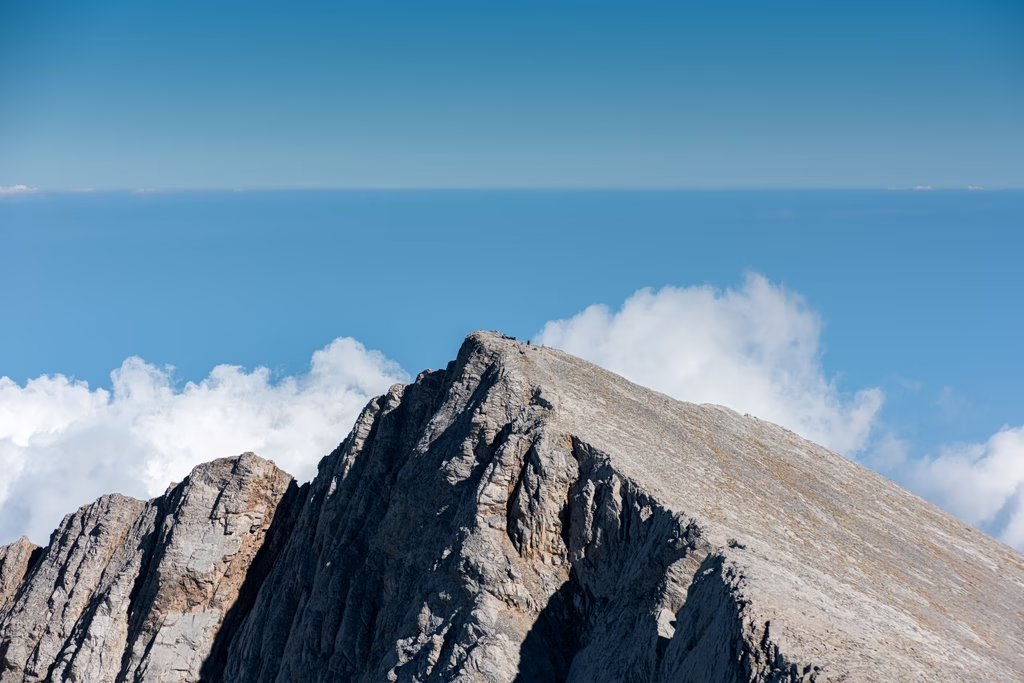
Climbers at Skala Peak
Olympus’s cultural weight goes beyond the global reach of Greek mythology. On the peak of Agios Antonios, archaeologists have found the remains of an open-air sanctuary along with evidence documenting the worship of Zeus. At the mountain’s foot, the archaeological site of Dion stands as the fullest physical expression of the religious tradition that grew up around the mountain, with sanctuaries, temples, altars, inscriptions and ritual spaces.
References to Olympus in the Homeric epics and Hesiod’s Theogony spread the image of it as home to the twelve gods, first across the Greek and Roman world and later across the globe. The mountain became a reference point for literature, visual arts, philosophy, science and modern pop culture. In effect, the listing recognizes that Olympus’s mythological identity still shapes how people perceive the natural landscape itself.
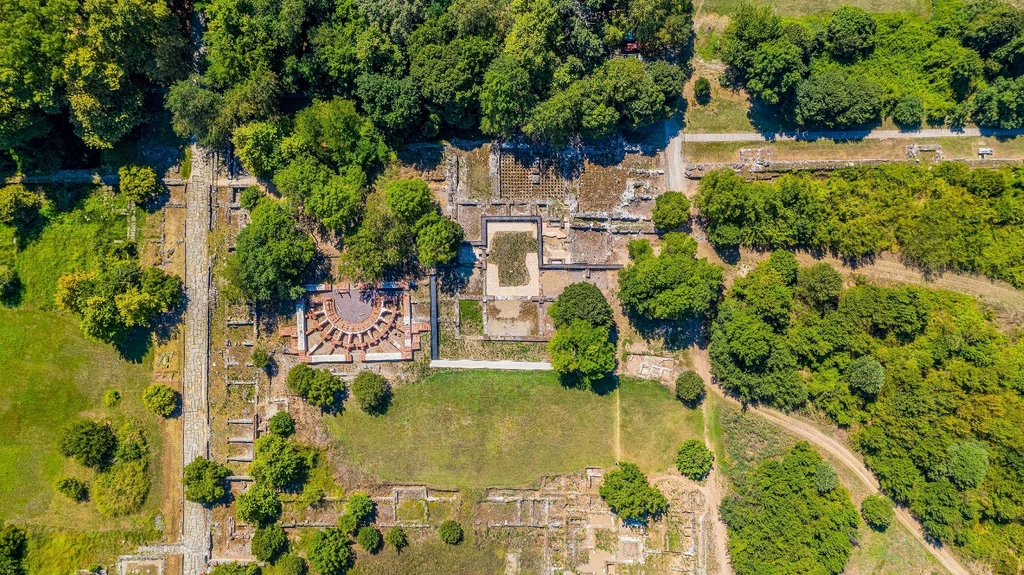
The archaeological park of Dion
A Biodiversity “Ark”
The second side of the listing concerns Olympus’s unique natural value as a site of exceptional importance for biodiversity.
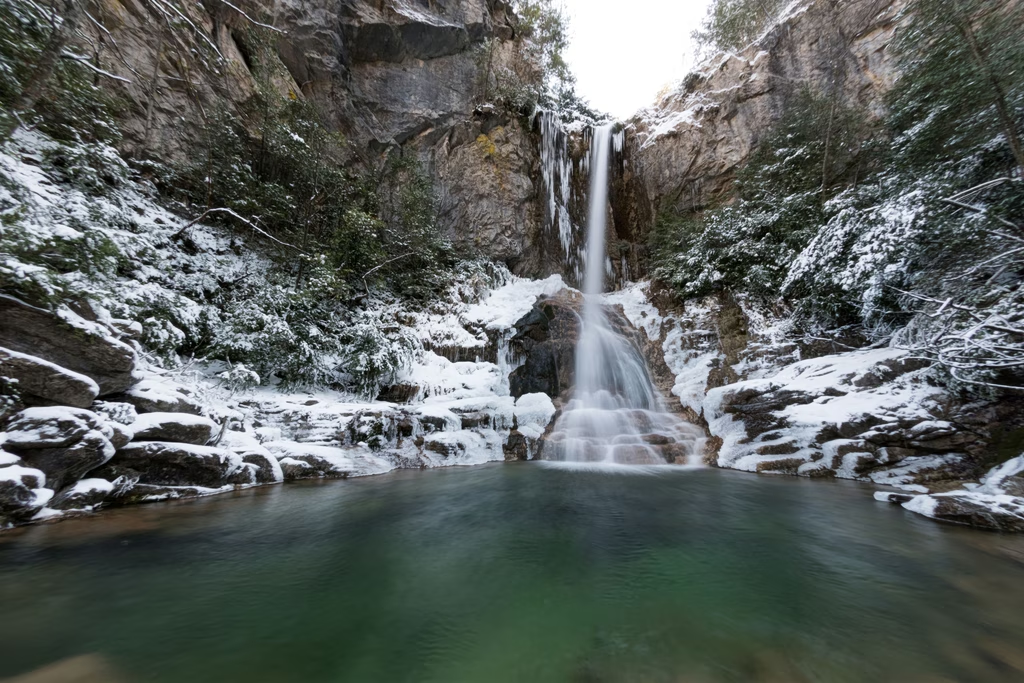
According to the joint press release from the Ministries of Environment and Energy and of Culture, at 2,918 meters, the mountain’s closeness to the Aegean coast gives it a huge range in elevation and sharply varied terrain, along with topographic isolation and a history as a glacial refuge. It’s home to 1,983 plant taxa, more than 25% of Greece’s total flora. That botanical richness, combined with an unusually dense concentration of narrow endemic species found nowhere else on Earth, gives the mountain global value and makes it a genuine “ark” of biodiversity. It also supports rich wildlife, including numerous bird and mammal species, the brown bear, Greece’s largest population of chamois, along with reptiles, amphibians and invertebrates.
What Changes In Practice
Joining UNESCO’s list doesn’t transfer ownership or management of the area to an international body. Responsibility for protecting the site stays with the Greek state, which now takes on an obligation to the international community to preserve the features that earned its recognition of universal value.
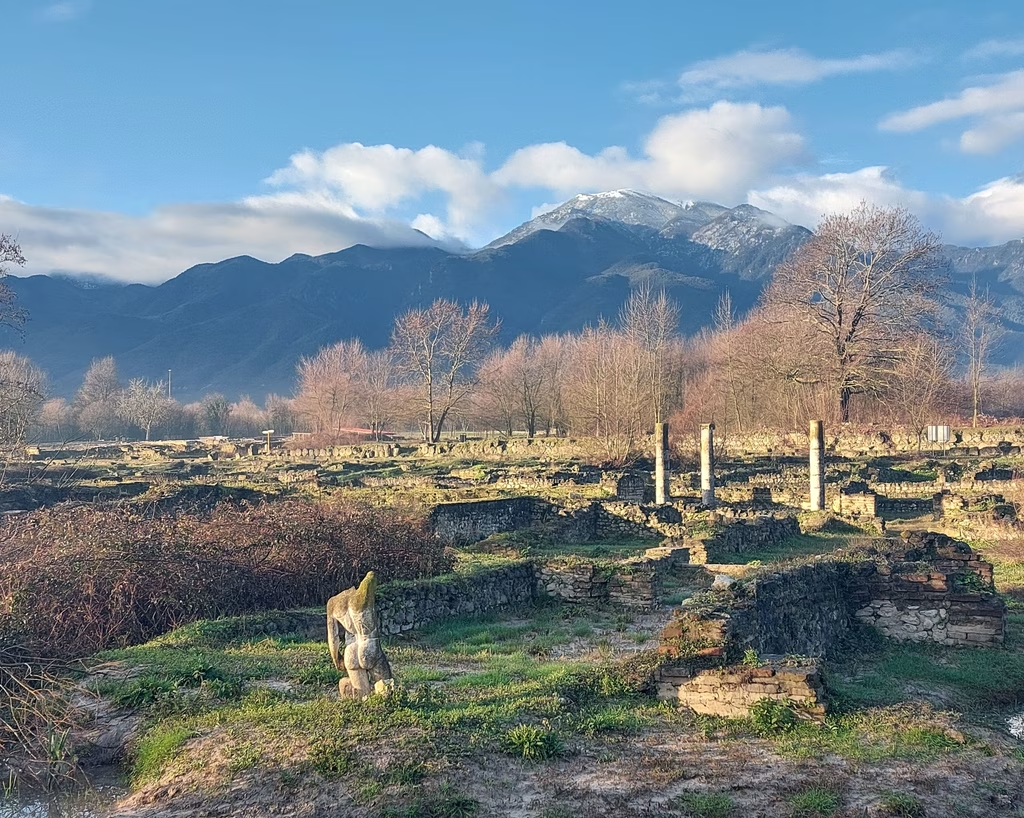
The Dion archaeological site. Photo by Vila Dionysiou
The wider Olympus region is already protected under a comprehensive legal framework covering both its natural and cultural value: the 2021 Presidential Decree establishing the Olympus National Park, forestry and archaeological law, Natura 2000 zones and wildlife refuges, its designation as a national park back in 1938, and its inclusion in UNESCO’s World Network of Biosphere Reserves in 1981. Its addition to the World Heritage List, however, now requires unified monitoring and protection of both its natural and cultural features.
Outstanding Issues Flagged By UNESCO
The Amended Draft Decision adopted by UNESCO’s World Heritage Committee for listing the wider Olympus region as a Mixed Site calls for a comprehensive Management Plan covering the site’s natural and cultural values, setting strategic goals, priorities, measures and implementation timelines. It also requires a monitoring programme, periodic review, and support from both Greek national funding and European Union resources.
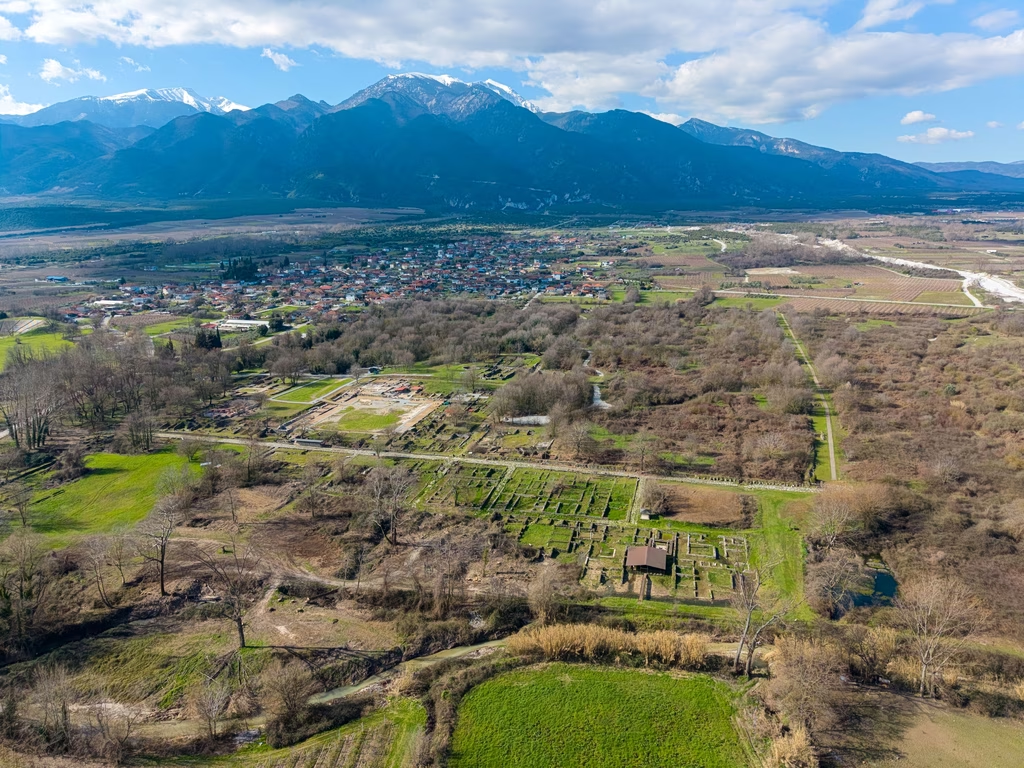
View of Olympus from the Dion archaeological site
The Decision also includes a list of recommendations for the relevant Greek authority, including adjusting the boundaries around Litochoro to improve management coherence and effectiveness, and submitting the relevant map to the World Heritage Centre. It also calls for full institutional protection of Olympus’s buffer zone.
The decision also addresses the military firing range operating in the northeastern part of the buffer zone, asking Greek authorities to assess the potential impact of that activity on Olympus’s natural and cultural value.
UNESCO further asks Greece to approve and implement a revised National Park management plan, activate the coordinating committee responsible for implementing and monitoring the Olympus site’s management plan, and move quickly to put the Special Urban Plan into effect. That last point matters, since it will set the terms for developing facilities, infrastructure and land use across the wider area.
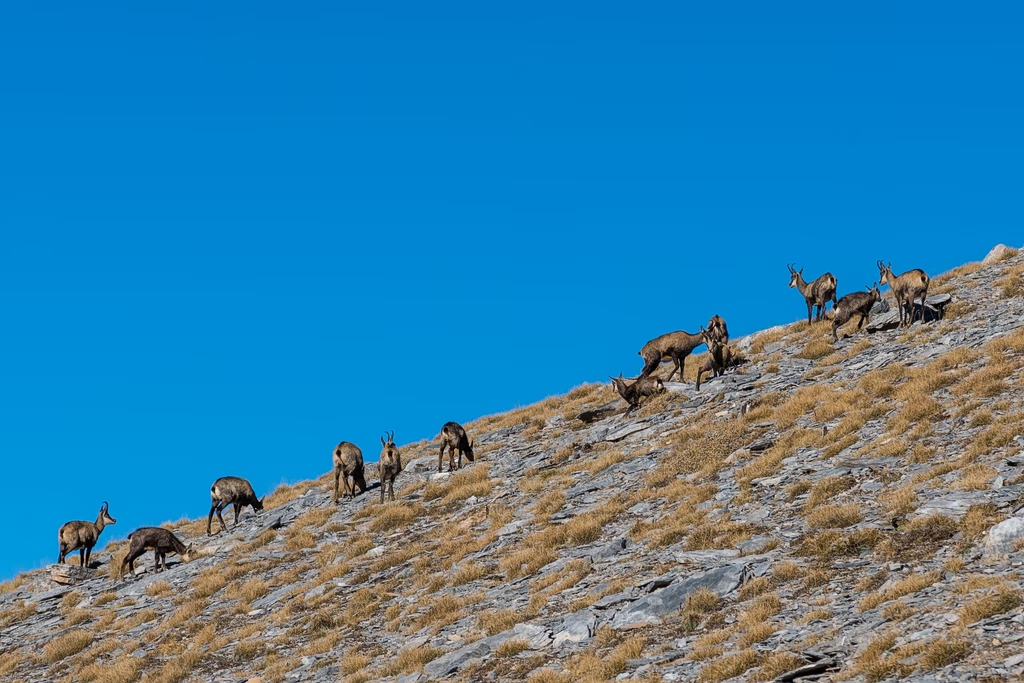
Wild goats in Olympus
Every new development project inside the monument, its buffer zone or its immediate surroundings will need to be assessed for its potential impact on the site’s universal value. That doesn’t amount to a blanket ban on projects or traditional activities, but it does mean stricter documentation and evaluation before decisions get made. Environment and Energy Minister Stavros Papastavrou announced that in the near term, Greece plans to carry out interventions worth more than 10 million euros in the Olympus area, aimed at protecting the natural environment, improving accessibility and supporting sustainable development across the wider region.
The Visitor Number Challenge
International recognition is expected to boost interest in Olympus and Dion. That could strengthen the local economy, extend the tourist season and create new routes linking archaeology, mythology and the natural environment.
At the same time, the rise in visitor numbers is one of the key threats the management plan will need to address. UNESCO is asking for a comprehensive tourism strategy and systematic tracking of visitor numbers, to avoid uncontrolled access and large crowds gathering in ecologically sensitive areas.
Greece must submit a progress report on implementing these recommendations by December 1, 2027, which will be reviewed by the World Heritage Committee at its 50th session. The first real test of the listing, then, won’t be the international attention Olympus receives, but whether the responsible authorities can turn the title into effective, unified, long-term protection for the wider Olympus region.