
 Μake us preferred on Google
 New cases of salmonella infection have been recorded in Attica, adding to the concern of health authorities following recent cases in Lamia and Kastoria. According to Michalis Giannakos, president of POEDIN, a total of nine people, including two children, went to the Emergency Department at Nikaia General State Hospital on Sunday, July 26, showing symptoms consistent with salmonella infection, including diarrhea, abdominal pain, fever and vomiting.
All the cases had one thing in common: everyone had eaten food from the same restaurant, which is now pointing the investigation toward a possible shared source of contamination. The expected health inspections are set to take place both at the restaurant and along the supply chain for the food used there.
Patients received the necessary medical care in the Emergency Department, their condition stabilized, and no one needed to be admitted for further treatment. All were discharged with instructions on managing the infection and monitoring their recovery.
Earlier Cases In Lamia And Kastoria
The new cases add to a string of incidents recorded in other parts of the country in recent days.
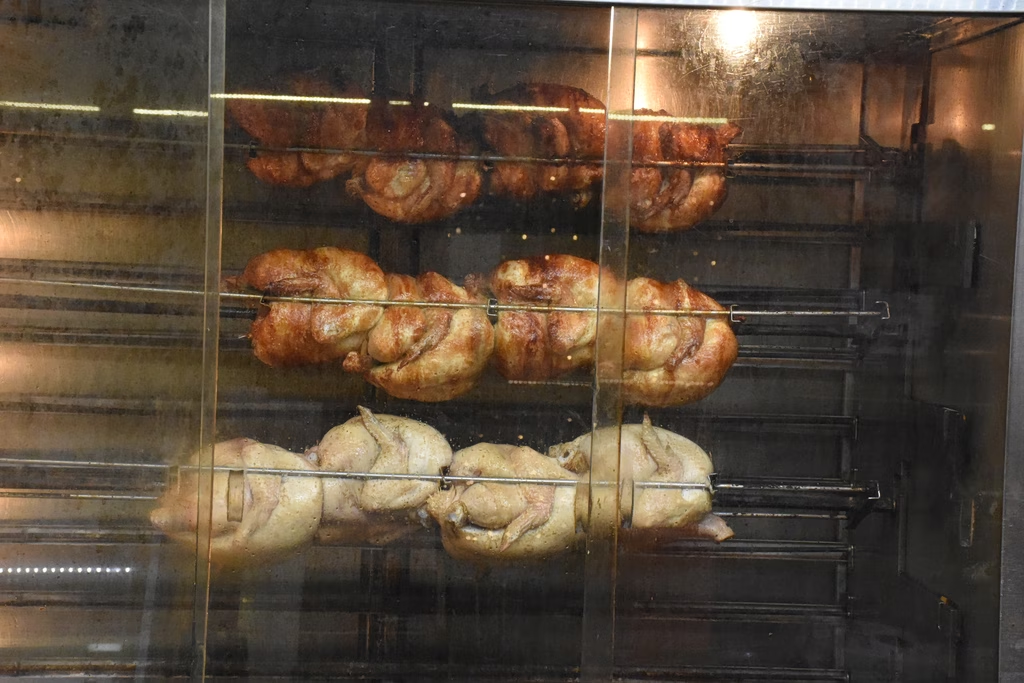
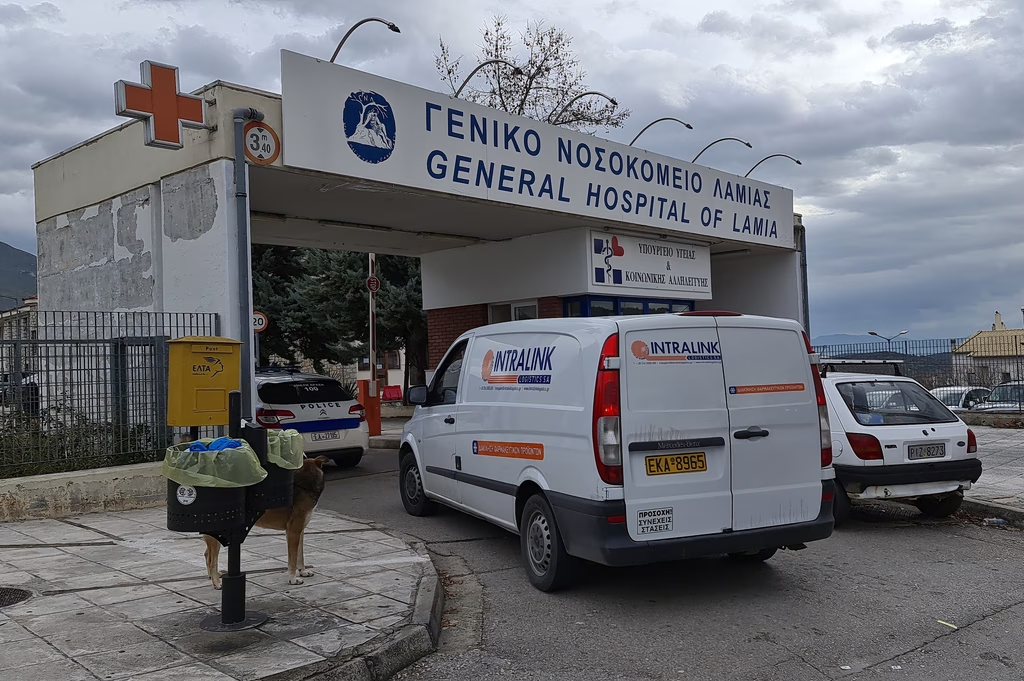
In Lamia, about 20 people showed symptoms of acute gastroenteritis, and several needed hospital treatment. Follow-up lab tests found salmonella in batches of chicken, prompting authorities to widen their investigation into the food’s supply and distribution chain to pin down the source of contamination.
Similar cases were recorded in Kastoria, where ten people, including children, developed symptoms of infection. Some patients ran high fevers and were kept in for precautionary observation, though their condition improved steadily and most were discharged within a few hours.
Calls For Tighter Food Safety Checks
Following this string of incidents, POEDIN president Michalis Giannakos called for stronger checks at every stage of the food supply chain, from production and storage to transport and delivery to restaurants and food businesses.
He noted that catching possible contamination sources early is critical to preventing further cases and protecting public health, especially during the summer months, when high temperatures help pathogens multiply if hygiene and food storage rules aren’t followed.
Health authorities are expected to move forward with sampling and lab testing to determine whether the recent cases are connected or represent separate, unrelated outbreaks of foodborne illness.