 Μake us preferred on Google
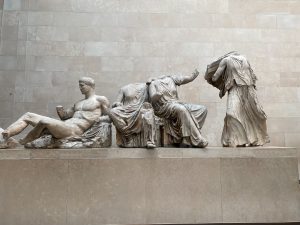
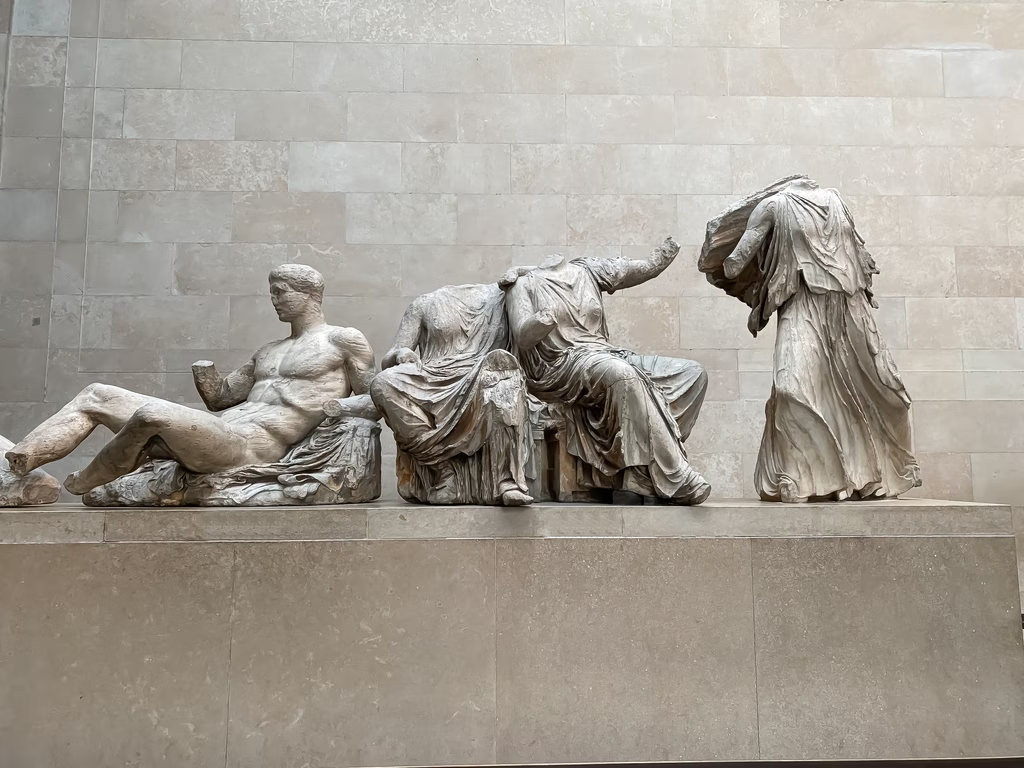
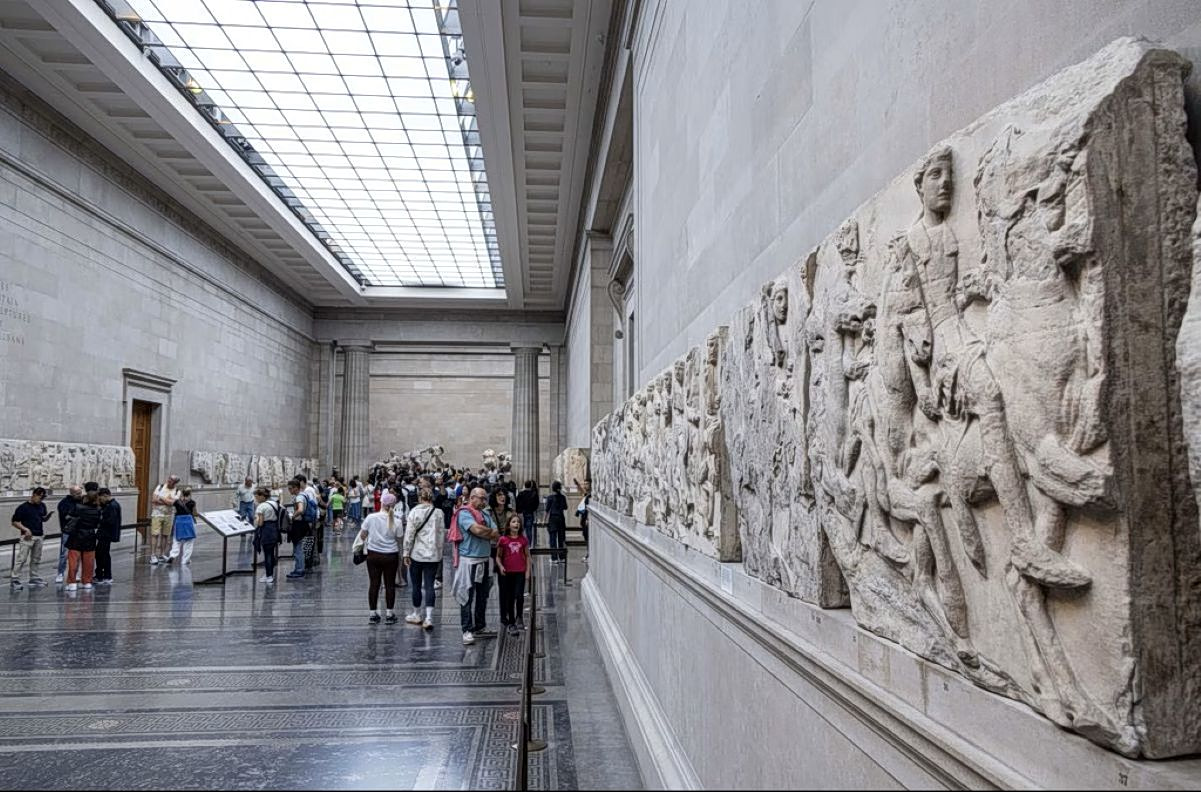
 Greek Prime Minister Kyriakos Mitsotakis has renewed his push for the reunification of the Parthenon Sculptures in an article for Britain’s Guardian newspaper, taking the case directly to the British public and ruling out any arrangement framed as a loan to Greece.
Pointing to the Bayeux Tapestry’s return to Britain for the first time in nearly 1,000 years, Mitsotakis used the work to illustrate Greece’s central argument: that a work created as a single whole cannot be fully understood when it is divided. He wrote that no one would seriously consider cutting the surviving tapestry in two and displaying one half in London and the other in Bayeux, adding that this is precisely what happened to the Parthenon Sculptures.
He stressed that Greece is not seeking to empty the world’s museums, but is pursuing a specific and exceptional case. The issue, he argued, goes beyond possession or legal title and concerns restoring the physical, aesthetic and conceptual integrity of a monument of global significance.
Mitsotakis said Greece would not accept any deal requiring recognition of the British Museum’s ownership of the sculptures, nor a formula under which the country would appear to be borrowing parts of the Parthenon.
He expressed his surprise by the British Museum’s recent suggestion that the Bayeux Tapestry loan could serve as a model, arguing that it could not. France lent the tapestry as a complete work and will receive it back as such, he noted, while Greece seeks the permanent reunification of a monument’s scattered parts.
Citing a poll, he said a majority of Britons support returning the sculptures, and 72% believe they are best understood as part of a whole with the Parthenon.
Mitsotakis explained reunification could open the way to broader cultural cooperation, including joint exhibitions, research, conservation work and museum exchanges. Linking the Parthenon to the birth of democracy, he said Greece remains ready and that what is needed now is the political will and courage to take the decisive step, turning a two-century dispute into a unique act of cultural friendship.