 Μake us preferred on Google
Victoria’s state election in Australia on 28 November 2026 takes place amid growing political fragmentation and declining confidence in established political leadership. Australia has strong democratic institutions and compulsory voting, yet these do not necessarily ensure that citizens feel represented or that governments remain responsive to their concerns.
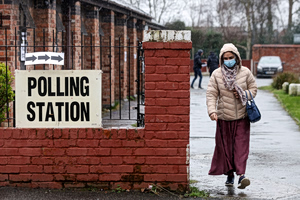
In a comparative sense, the Australian electoral system offers an interesting comparison for Greek voters. Unlike Greece, where domestic voters generally cast their ballots on a designated election day, Victoria provides an extended early-voting period from 18 to 27 November, excluding Sunday 22 November. Postal voting and other arrangements for eligible voters offer further flexibility.
This approach recognises that work, family responsibilities and other commitments can make voting on a single day difficult. Early voting reduces practical barriers to participation, while compulsory voting contributes to Australia’s high electoral turnout.
The political campaign, meanwhile, has unfolded over several months, allowing voters time to consider competing policies and candidates before polling day.
A changing political landscape
After twelve years of Labor government, Premier Ben Carroll is seeking another term. The Liberal–National Coalition, led by Jess Wilson, is challenging Labor, while the Greens, One Nation and independent candidates are offering alternatives.
An important feature of the Australian electoral system is that candidates can contest elections as independents without belonging to or being endorsed by a registered political party. Their presence offers voters alternatives to established political organisations and creates opportunities for candidates whose appeal is based on local representation, individual credibility or particular policy concerns. Political competition is therefore not confined to the traditional contest between parties.
Recent polling points to a significant shift. A survey conducted up to 13 November placed the Coalition on 32% of the primary vote, One Nation on 23%, Labor on 21% and the Greens on 14%. A four-poll average also puts One Nation at around 22%, close to Labor. The contrast with the 2022 election, when One Nation received just 0.3% of the Victorian primary vote, is striking. These figures indicate voting intentions, not the eventual election result.
One Nation’s rise reflects more than a shift to the political right. It also signals dissatisfaction with established leadership and a perception among some voters that their concerns have been ignored.
Cost-of-living pressures, housing affordability, healthcare, crime, transport and the state’s finances dominate the campaign. Yet political alienation is not solely economic. It can also emerge when people feel their values are dismissed, their concerns overlooked or their voices excluded from public debate. Immigration, national identity and social cohesion can become expressions of these wider anxieties. Some voters may support minor parties less because they endorse every policy than because they want to challenge the established political order.
Francis Fukuyama’s concept of thymos, explored in Identity: The Demand for Dignity and the Politics of Resentment (2018), helps explain this search for recognition. Citizens want not only economic security but also dignity, respect and the sense that their voices matter. This does not fully explain One Nation’s appeal, but it highlights why policy announcements alone may not restore public confidence.
Beyond the ballot
The extended campaign has given parties and independent candidates time to present their positions. But more announcements do not necessarily mean better political debate. Voters must also ask whether promises are financially credible, administratively achievable and capable of addressing the problems they identify.
Labor must defend its record after twelve years in office. The Coalition must demonstrate that it offers more than a change of leadership. Minor parties and independents must show that their alternatives can translate into constructive representation and effective parliamentary participation.
The rise of One Nation should encourage established parties to examine the sources of public discontent rather than dismiss its supporters. At the same time, alternative parties and independent candidates must remain accountable for their policies and claims.
Against this background, the Victorian experience illustrates three important dimensions of democracy in comparison to Greece: accessible voting arrangements, political competition beyond established parties with independents, and meaningful representation after the election.
Ultimately, democracy requires more than the opportunity to cast a ballot. It depends on citizens believing that their voices matter, that governments listen and that political power remains accountable to the public. This is the central challenge facing Victoria’s political parties and candidates on 28 November.