 Μake us preferred on Google
 The UNESCO World Heritage Committee in Paris unanimously approved the inclusion of the Minoan Palaces of Crete in the UNESCO World Heritage List, marking a significant recognition of the Minoan civilization’s global cultural value.
In its official announcement, UNESCO highlighted the significance of the Minoan palaces, stating they reflect “the complexity of Minoan societal structures and their enduring influence on the history of the Mediterranean.”
The decision gives the following six Minoan archaeological sites a protected status as part of the World Heritage List: the famous Palace of Knossos, the Palace of Phaistos, the Palace of Zakros, the Palace of Malia, the Palace of Zominthos, and the Palace of Kydonia (Chania).

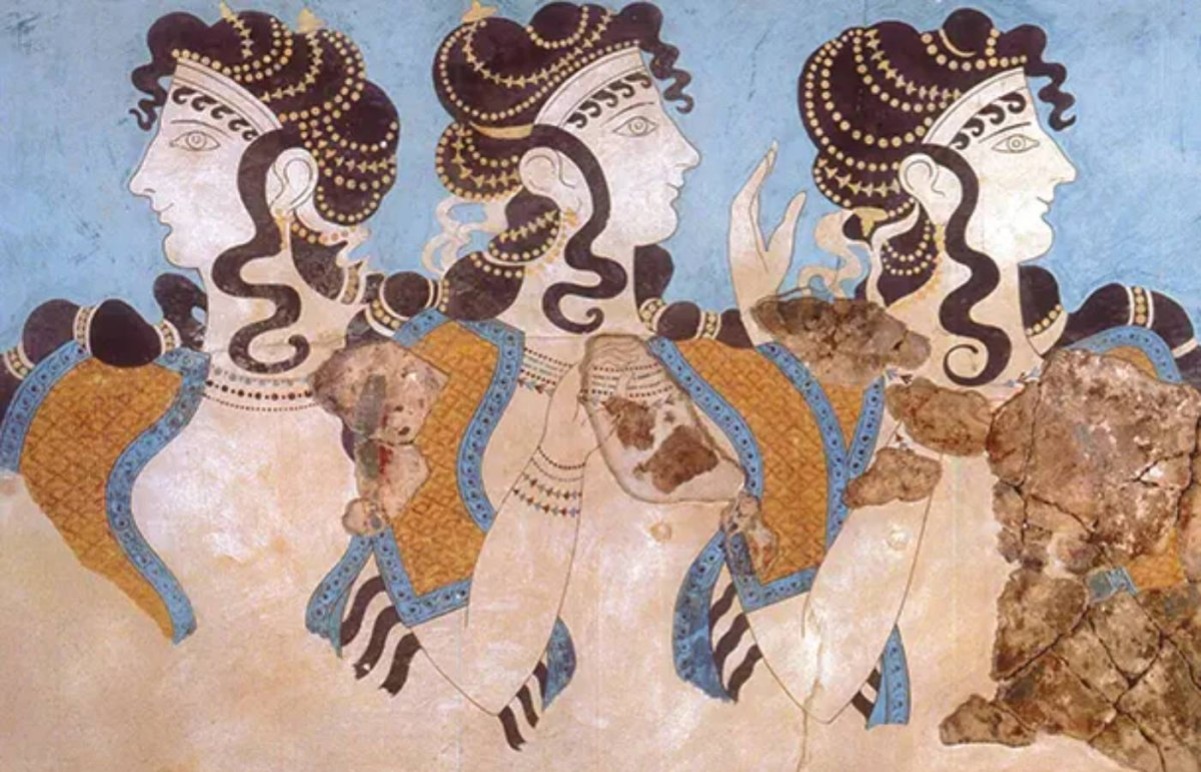
The Minoan palaces date back to the 2nd millennium BC, exemplifying the innovative architecture, social organization, and religious worldview of the Minoan civilization—one of Europe’s earliest advanced cultures.
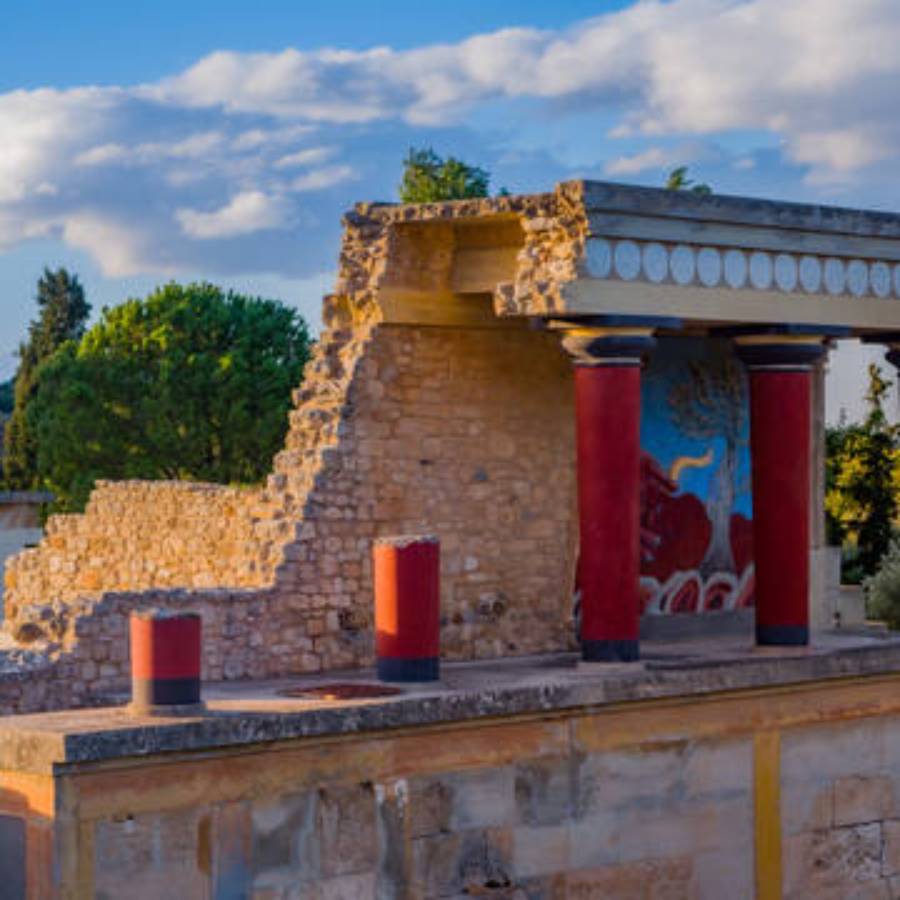
The decision to designate the sites under UNESCO’s protection is expected to boost Crete’s global tourism profile while ensuring their long-term preservation and international recognition.
The Greek delegation actively supported the nomination, which was formally submitted by the Ministry of Culture.
Greek Prime Minister Kyriakos Mitsotakis welcomed the landmark UNESCO decision in a post on social media.
“With today’s decision by the 47th Session of the UNESCO World Heritage Committee, the outstanding universal value of the Minoan civilization is internationally recognized. One of the most brilliant civilizations of the prehistoric Aegean, born in Crete, which became a foundation of European thought and aesthetics,” emphasized Prime Minister Kyriakos Mitsotakis.