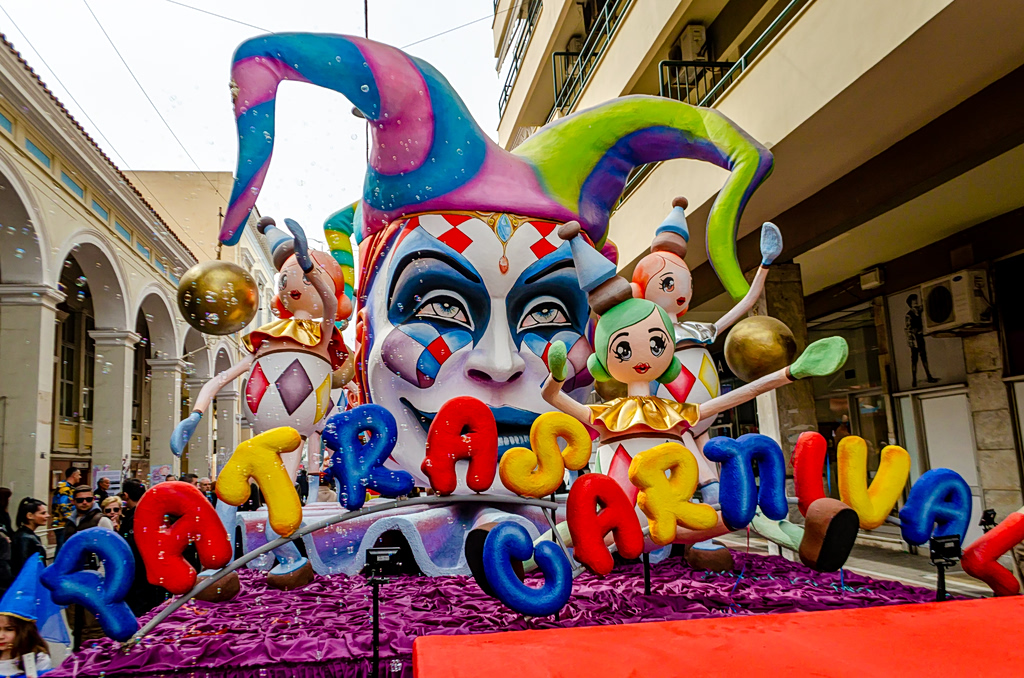

Flying kites on Clean Monday, a hallmark of Greek Orthodox tradition, is more than a playful pastime — it carries deep historical and spiritual significance. Observed at the start of Lent, the custom symbolizes purification and the uplifting of the human spirit after the exuberant Carnival celebrations.
The practice has roots stretching back thousands of years. In ancient China, kites were initially crafted from wood and used in religious ceremonies, magical rituals, and for exorcising evil spirits. The higher a kite soared, the greater the fortune it was believed to bring. Historical accounts even suggest that prisoners who survived rides on manned kites were granted freedom.
Kite festivals have long marked seasonal transitions. In northern India, they welcome spring with spectacular ceremonies rooted in Hindu mythology. Similar traditions occur each February in Lahore, Pakistan, echoing pagan celebrations of the past.
Ancient Greece also had early encounters with kite-like devices. The mathematician Archytas of Tarentum (4th century BCE) used kite experiments in aerodynamics, and classical Greek pottery depicts girls holding small kites, suggesting recreational or experimental use. However, widespread paper kites were introduced much later, as paper was scarce in Greece until the medieval period.
European exposure to kites came through travelers like Marco Polo, who described them in medieval Europe. By the 15th and 16th centuries, kites appeared in Germany and Spain, often used as joyful toys during Easter celebrations. The scientific use of kites later advanced with Benjamin Franklin’s 1752 experiments on electricity and Australian meteorologist Lawrence Hargrave’s large-scale observation kites in the late 19th century.
Kites arrived in Greece via major eastern ports such as Smyrna, Chios, and Constantinople, as well as islands like Syros and the Ionian islands. Urban centers soon embraced the tradition, aided by access to string and colored paper. Today, kite-making is simple, making Clean Monday celebrations accessible to all ages.
Whether on hillsides, rooftops, or city squares, flying a kite on Clean Monday remains a vibrant tradition in Greece, blending ancient customs, Christian symbolism, and seasonal festivity into a joyful communal experience.