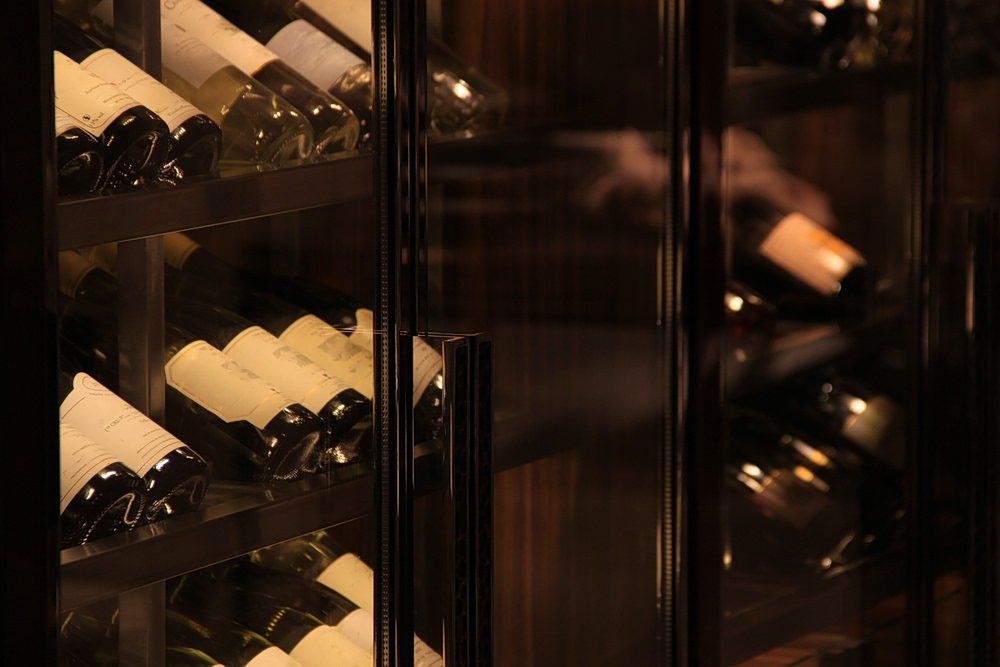
Wine is more than taste—it is emotion. For many of us, a bottle of wine is like a personal photo album. One label brings back memories of a journey, another recalls an anniversary, a dinner with friends, or a person who marked a moment in time. Perhaps now is the moment to care for these bottles as they deserve.
There are scents, sounds, and rituals that signal the start of the festive season: the crackle of wood in the fireplace, butter melting gently into a sauce, classic holiday songs playing on repeat, and the slow, almost ceremonial pouring of the first glass of red wine. It invites us to imagine joyful tables filled with friends and loved ones.
For wine lovers, the holidays are not just about lavish meals or decadent desserts. They are about togetherness and storytelling—stories we remember and new ones we create. Opening a bottle is no longer a solitary pleasure; it is an act of sharing experiences and building memories.
Creating Your Own Home Wine Cellar
Somewhere between laughter, conversation, and the aromas of the kitchen, a more personal desire is born: the idea of creating your own wine collection at home. A dedicated space for bottles that matter—wines brought back from trips, bottles saved for future celebrations, a special vintage waiting for the right moment, or a thoughtful gift from someone who knows your taste well.
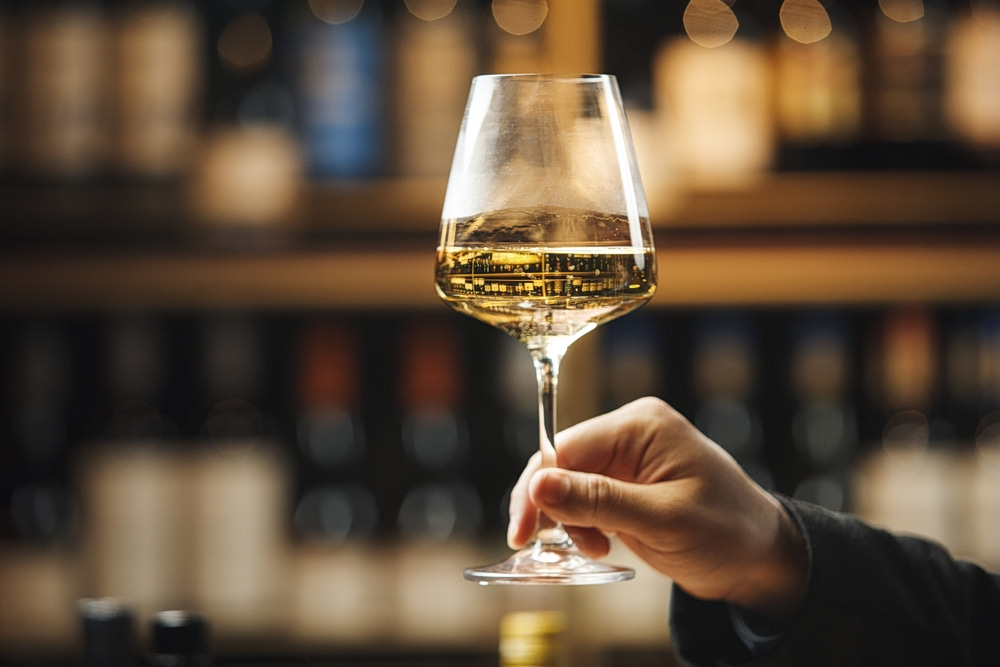
Why a Wine Cooler Matters
Wine is a living product. It breathes, evolves, and matures over time. Like any living thing, it needs the right environment to reach its full potential. Many wine drinkers have experienced the disappointment of opening a long-awaited bottle only to find it flat or unbalanced.
High summer temperatures, exposure to light, or dried-out corks can irreversibly alter a wine’s character, aroma, and flavor. A wine cooler is not a luxury—it is an act of care. Think of it as a modern cellar: a quiet guardian that keeps your bottles at the ideal temperature and humidity, protected from light and sudden climate changes, allowing time to reveal their true complexity.
How to Choose the Right Wine Cooler
Home wine coolers come in many sizes and styles. Compact models hold 6–12 bottles and are ideal for apartments or kitchens. Larger, multi-zone coolers can store over 150 bottles, offering different temperature zones for white, rosé, and red wines.
Start by considering how you drink wine. If you enjoy a few bottles a week, a small countertop cooler may be enough. If you like collecting, aging, and saving bottles for special occasions, invest in a unit with stable cooling, consistent humidity, and a well-insulated door.
The best wine coolers share three essential features:
- Stable temperature, ideally between 12–14°C (54–57°F), without fluctuations
- Controlled humidity (around 60–75%) to keep corks elastic and airtight
- No vibrations or direct light, both of which can prematurely age wine
For optimal aging, choose models with static cooling technology, anti-vibration systems, and low-intensity LED lighting that does not emit heat.
Where to Place It
The ideal spot is cool, shaded, and away from direct sunlight. A wine cooler can be placed in the kitchen, living room, or basement, as long as it has good airflow and is not near heat sources like ovens or radiators. Built-in models save space and offer a sleek look, while freestanding units provide flexibility.
Avoid inexpensive units or standard refrigerators, which lack proper humidity control. Also consider noise levels and energy efficiency—modern, high-efficiency wine coolers operate quietly and economically year-round.
The Value of Patience
Every wine has its own timeline. Some whites are meant to be enjoyed young and vibrant, while structured reds or complex dessert wines need time to soften and develop character. Just as you wait for dough to rise or a sauce to thicken, wine also rewards patience.
A wine cooler gives you the freedom to wait. And that waiting is part of the pleasure—a quiet ritual of care, organization, and respect for the wine. It cultivates a mindset of “not yet,” which is, in itself, a refined form of appreciation.