 Μake us preferred on Google
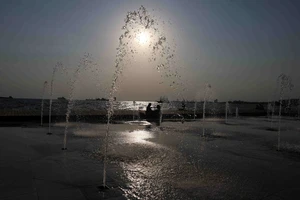
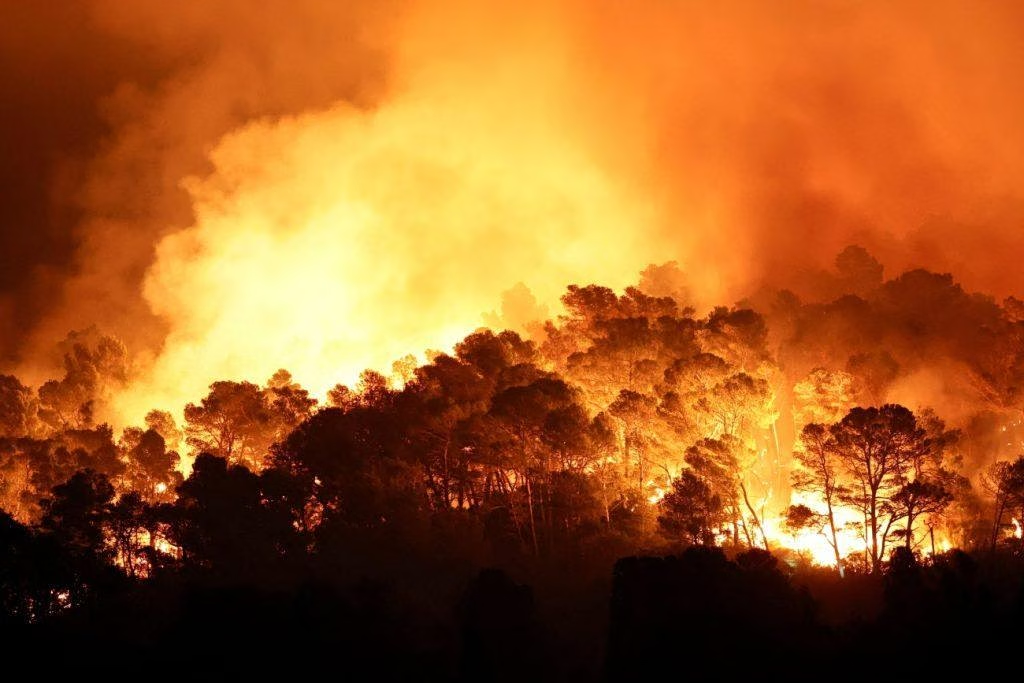
 Summer is not over yet, but an interim assessment already says a great deal. For the European Union, this July was the hottest ever recorded. The recent heat wave left more than 1,300 heat-related deaths in its wake. Half a million hectares burned in recent megafires, at a direct cost of 3.1 billion euros across five countries. The real cost is far higher because of the impact on agriculture, livestock farming and tourism.
This reality demands serious reflection about what comes next.
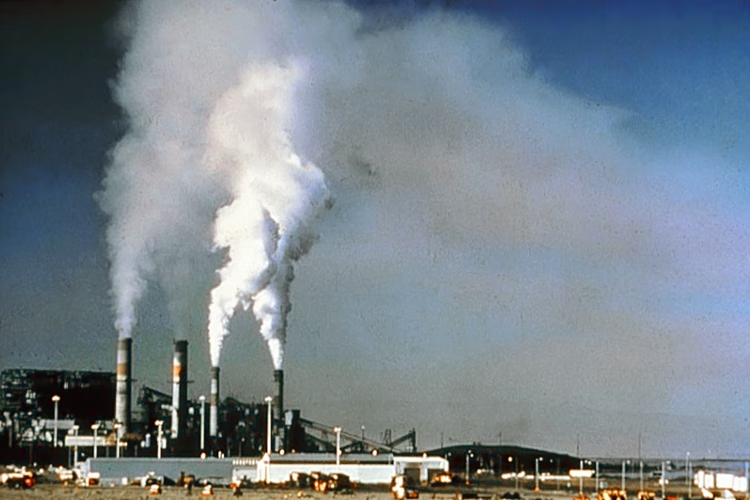
Climate change deniers are already calling these events coincidences. We have always had wildfires, they argue, and they are caused by human activity. That is true. But it is also true that climate change brings drought and steadily rising temperatures that weaken natural ecosystems, create fire clouds and turn wildfires into megafires. It also makes extreme heat waves more frequent. Wildfires create a vicious cycle that further fuels the crisis. The climate crisis is accelerating, and its impact will become increasingly severe.
Humanity feels powerless to respond. The green movement no longer has the momentum it had in previous years. Yes, Europe is warming faster than the rest of the planet. Yes, Mediterranean countries will succumb to wildfires more frequently than northern Europe. But we live in a New World. Wars, military spending, the thirst for energy, disruptions to global supply chains and unprecedented increases in the cost of goods have imposed different priorities.
The EU, which has been the champion of the Green Agenda, must also contend with attacks from an unpredictable president. It needs not only weapons, but economic power — meaning technology and competitiveness. All of this requires markets and investment in artificial intelligence and innovation. As a result, at the beginning of 2026, the targets that had been set for reducing greenhouse gas emissions were deemed excessive. The EU began discussing scrapping targets and measures.
Fortunately, reality proved more complicated than the unpredictable president’s plans.
Even in the United States, investment in renewable energy remained twice as high as investment in drilling and extraction. In addition, rapid technological advances and the prospect of mass-producing small modular nuclear reactors have significantly changed the energy landscape.
The United Nations, despite its evident weakening, still exists. It managed to bring together 60 countries to bring the High Seas Treaty into force, applying climate protection measures across half the planet. China rushed to fill the vacuum left by the U.S. withdrawal. It ranks first in renewable energy investment, leads technologically in grids and batteries, and controls the markets for solar panels and rare earth elements. It is now seeking the secretariat of the High Seas Treaty and will most likely secure it.
The war in the Strait of Hormuz demonstrated that dependence on fossil fuels undermines from the outset any notion of European energy autonomy.
Green thinking ultimately regained momentum, and the EU’s greenhouse gas emissions reduction targets survived, albeit with a roughly decade-long extension to the timeline. The resources available, however, have been reduced and must be allocated strategically. This, together with the recent disasters, is reigniting the debate over what needs to be done.
The answer can be summed up in one word: RESILIENCE.
Resilience has always been on the table, but it is now taking center stage. It represents a new strategy for confronting the climate crisis, one that accepts that action has been delayed even as the consequences escalate. It leads to a new climate narrative capable of mobilizing broader forces around immediate goals. The objectives of moving away from fossil fuels and making full use of renewable energy remain, but priority is now being given to dealing with the consequences of a crisis that is continuing to unfold.
What, for example, does a resilience-based policy response to megafires look like? It is an approach based on anticipation rather than compensation after disaster strikes. It includes regional plans for responding to natural disasters, but that is not the heart of the strategy. As it was recently put, the question is not how many fires we can extinguish, but how many we can prevent from starting in the first place.
The heart of resilience, then, is a science-based prevention plan. Among other measures, it includes using AI to forecast weather events, identify high-risk areas and develop warning and response systems. It means proactive forest management rather than abandonment. It includes firebreaks, flood-control barriers that also make use of natural ecosystems, and vegetation-clearing measures. It calls for consultation with local communities, the introduction of relevant issues in schools, education, public engagement and informed citizen participation. It also requires climate justice measures for poorer regions and low-income families.
When it comes to covering the cost of disasters, experience from other countries also points to personal responsibility: mandatory home insurance in high-risk areas, along with the creation of special public-private funds to harness natural capital through what are known as natural climate solutions.
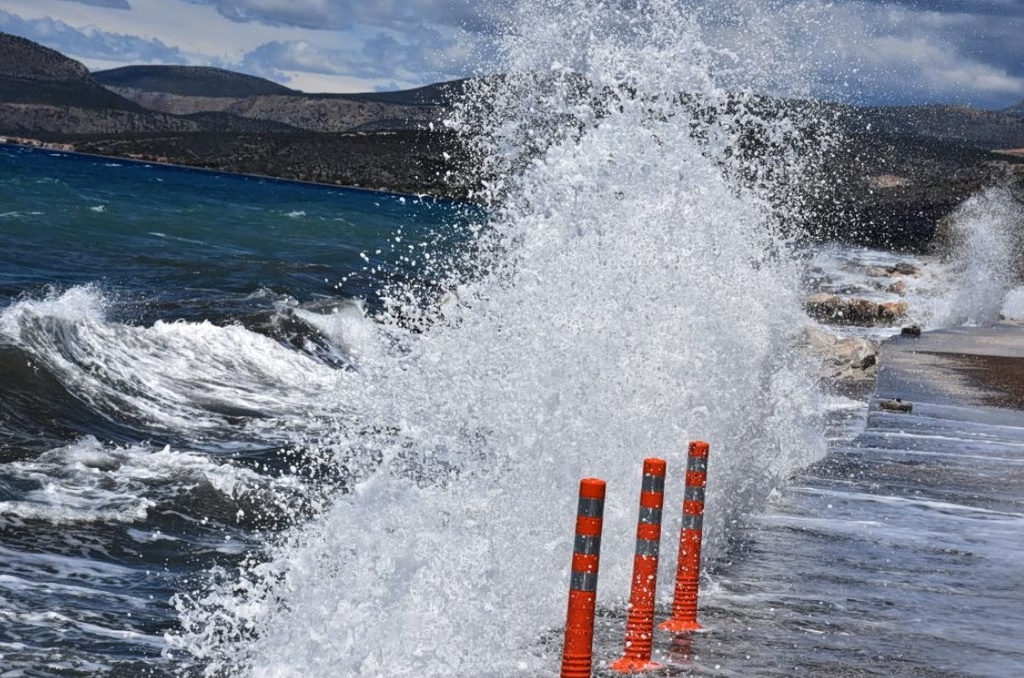
I have firsthand experience of one such outstanding initiative in Cancun, Mexico, where the regional government, hotel association, labor unions, insurance companies, environmental organizations and donors worked together to create a fund to protect the natural capital of coastal areas from erosion caused by rising temperatures and sea levels. The initial capital, provided by donors and the public sector, combined with falling insurance rates, created a financially sustainable model capable of guaranteeing compensation in the event of a disaster.
Through policies like these, a climate resilience strategy can mobilize broader social forces that recognize the risks while also prioritizing European and national needs. The green movement can be revitalized by focusing its efforts on goals that are both necessary and realistic.
It responds to the pressing need for immediate action: the consequences of the climate crisis are intensifying and must be addressed now, before we all burn while waiting for better times.
Maria Damanaki is an adviser on climate and ocean policy, a professor at NOVA University and vice president of ELIAMEP, the Hellenic Foundation for European and Foreign Policy.