 Μake us preferred on Google
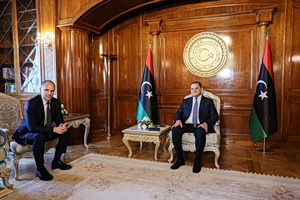
 Greek Deputy Foreign Minister Alexandra Papadopoulou is traveling to western Libya on Wednesday for the second round of technical talks between Athens and Tripoli on the delimitation of maritime zones between the two countries.
For Greece, efforts to establish an Exclusive Economic Zone (EEZ) agreement with Libya remain a strategic priority. The two sides officially launched the talks in Athens in September 2025, during a meeting between Greek Foreign Minister George Gerapetritis and Libya’s acting Foreign Minister of the Government of National Unity, Al Taher Salem Al Baour.
Papadopoulou’s visit had effectively been finalized since April, following Gerapetritis’ second trip to Libya, which included visits to both Benghazi and Tripoli. The trip formed part of Greece’s diplomatic re-engagement with the divided North African country, an effort that has been underway since July 2025.
Athens and Tripoli agreed on April 27, during the Greek foreign minister’s visit, that as states with opposite coastlines they are prepared to continue negotiations on maritime delimitation based on the United Nations Convention on the Law of the Sea and international maritime law.
Western Libya is also the authority with which Turkey signed the controversial Turkey-Libya maritime memorandum. As a result, Athens remains keen to maintain active channels of communication and cooperation with the government of Abdul Hamid Dbeibeh. At the same time, Greece is advancing partnerships involving major U.S. energy companies—which have also expressed interest in operating in Libya—while pursuing hydrocarbon exploration projects in Greek offshore blocks south of Crete, initiatives that carry broader geopolitical significance.
Against the backdrop of a proposed Turkish bill—which, according to reports from Ankara, is expected to incorporate the Turkey-Libya memorandum as part of Turkey’s disputed maritime claims—Gerapetritis will be in Sofia on Wednesday for the Summit and Ministerial Meeting of the South-East European Cooperation Process (SEECP).
On the sidelines of the gathering, where discussions will focus on strengthening regional connectivity, security, economic cooperation, coordination on issues of common interest, and the European integration prospects of the Western Balkans, the Greek foreign minister is expected to hold meetings with counterparts amid ongoing bilateral and geopolitical challenges.
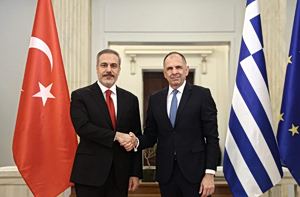
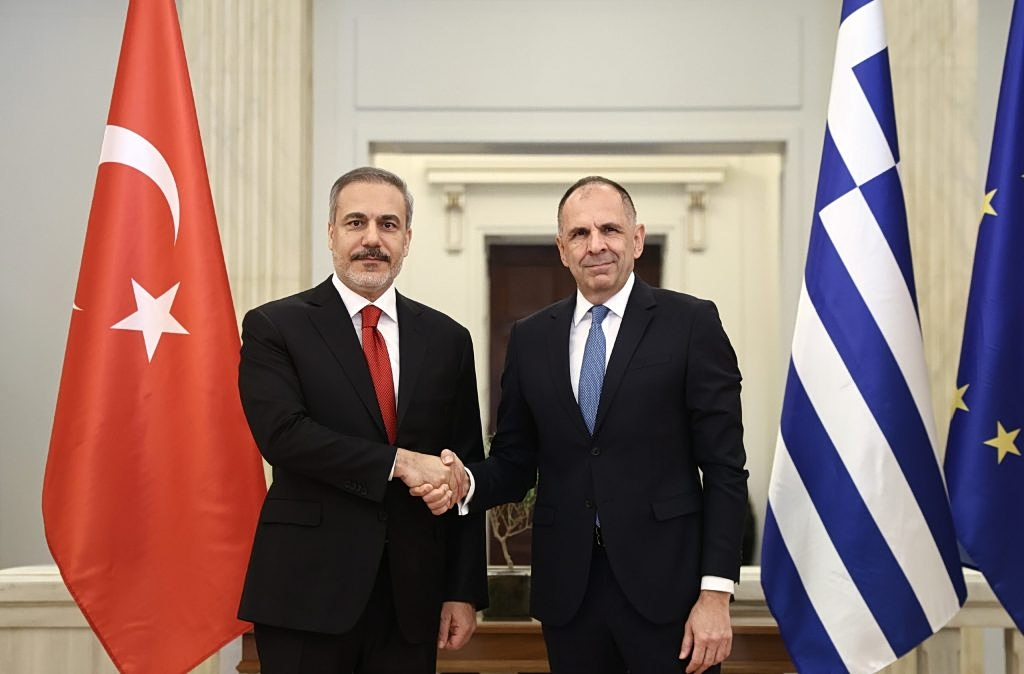
Should an opportunity arise for a face-to-face meeting with Turkish Foreign Minister Hakan Fidan, Greece’s top diplomat is expected to raise concerns regarding the proposed Turkish legislation—which is not anticipated before the fall—emphasizing that unilateral actions do not create legal rights or established facts under international law. He is also expected to highlight the potential consequences Turkey could face from international organizations if it chooses to proceed with such a move.
In any case, Athens has made clear that it neither conducts diplomacy through the Turkish media nor abandons its ongoing efforts to maintain open channels with Ankara. Greece continues to seek a functional relationship that could eventually lead to an agreement on the scope of discussions aimed at resolving what it considers the only outstanding dispute between the two countries: the delimitation of the continental shelf and Exclusive Economic Zones.