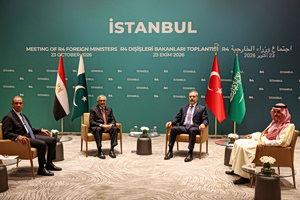
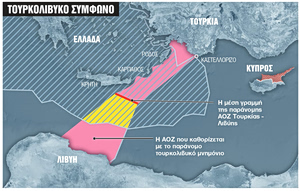
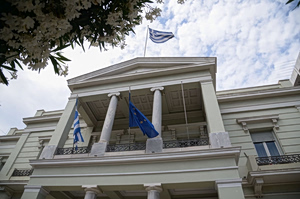
Six countries warn against undermining international law, following ratification by Libya’s eastern parliament; US describes latter move as unhelpful and provocative
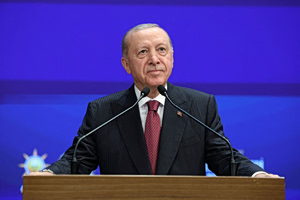
Turkish president dismisses Greek, EU and Egyptian objections as legally unfounded; Washington calls the Libyan parliament’s ratification 'unhelpful and provocative'
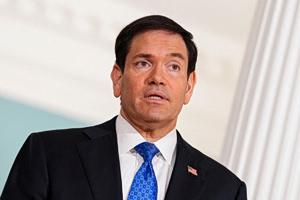
The State Department calls the ratification of the Turkey-Libya memorandum provocative, warning it raises regional tension, and urges dialogue
In a forceful appeal to Secretary of State Marco Rubio, the Hellenic American Leadership Council warns that U.S. reluctance to condemn a controversial maritime boundary jeopardizes deepwater energy investments and the security of Souda Bay.
Egypt has reiterated its categorical opposition to Libya’s ratification of the 2019 Turkey-Libya maritime memorandum, amid wider regional disputes over maritime boundaries and exclusive economic zones (EEZs)
Athens has reiterated its rejection of the 2019 Turkey-Libya maritime memorandum in a letter to UN Secretary-General António Guterres, arguing that the agreement violates international law and cannot have legal effects on third countries.
Athens is seeking to counter opposition claims of a “national defeat” over the Turkey-Libya agreement by emphasizing international law and accelerating talks with Egypt on expanding their maritime boundaries
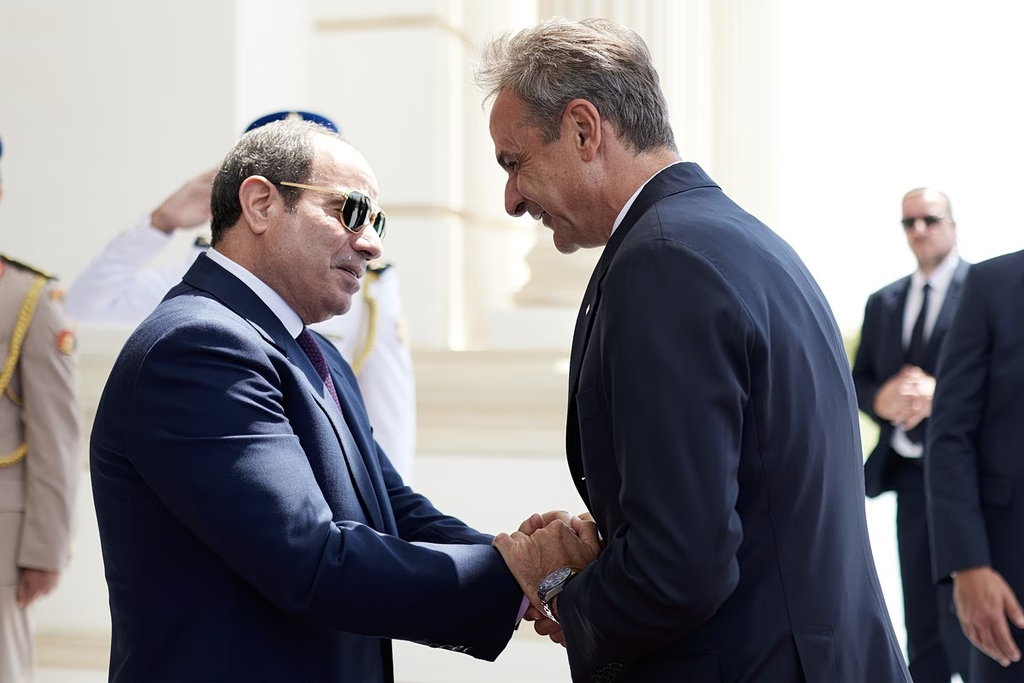
Greece and Egypt 'double down' on opposition to this week's ratification of a 2019 Turkey-Libya maritime memorandum, reaffirming international law as consultations continue on expanding their 2020 EEZ deal
The State Department’s shift on the Turkey-Libya memorandum and who shapes US foreign policy today
The U.S. State Department has called for good-faith negotiations between the two NATO allies following a move by Libya’s eastern-based parliament to ratify a maritime agreement with Turkey, without taking a position on the deal’s legality.
Athens raised concerns over Eastern Libya’s move to ratify the 2019 maritime agreement, warning Security Council members of risks to stability in the Eastern Mediterranean
The EU's foreign policy chief told the Turkish FM that the agreement infringes on the sovereign rights of third states, following its approval by Libya’s eastern-based parliament
Egypt says the agreement has no legal effect on its maritime rights, while Israel accuses Ankara of undermining stability in the eastern Mediterranean
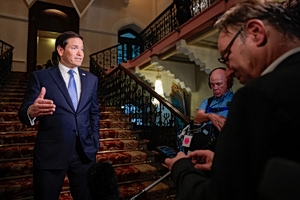
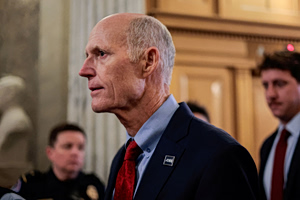
The Republican senator says Turkey’s 2019 maritime agreement with Libya threatens U.S. interests and Greece, calling on President Recep Tayyip Erdogan to act like a NATO ally if Turkey is to enjoy the alliance’s benefits.
Israel says the agreement violates the sovereign rights of its close regional allies and accuses Ankara of undermining stability in the Eastern Mediterranean, following its ratification by eastern Libya’s parliament.
European Parliament President Roberta Metsola reiterated the bloc’s support for Greece and Cyprus amid concerns over the Turkey-Libya maritime memorandum, endorsing a joint statement by European Council President António Costa and European Commission President Ursula von der Leyen
George Gerapetritis dismissed claims of a diplomatic defeat following the Libyan parliament's approval of the disputed agreement, insisting it has no legal consequences and that Athens is prepared for any eventuality
Eastern Libya’s ratification of the disputed 2019 maritime agreement with Turkey is shifting the balance in the Eastern Mediterranean, highlighting Ankara’s growing influence in Benghazi and raising questions over Athens’ strategy in Libya
European Commission President Ursula von der Leyen, only hours after the news, reiterated that the 2019 memorandum infringes on the sovereign rights of third states, does not comply with the Law of the Sea and remains null and void
The International Law of the Sea cannot be changed by unilateral, legally unfounded decisions, the Greek foreign ministry stated on Tuesday afternoon, adding that Athens has informed partners and allies and will take all appropriate measures