 Μake us preferred on Google
 Greece and Israel are scheduled to sign an agreement on Monday for the so-called “Achilles Shield” system, an integrated, multi-layered air and missile defense system chosen by Athens.
The program is billed as worth more than three billion euros.
The agreements are to be signed in Tel Aviv between Greece’s general directorate for defense investments and armaments (GDDIA) and SIBAT, the Israeli defense ministry’s directorate of international defense cooperation, with Israeli defense bodies and companies participating in the program also involved.

File photo: Israeli Prime Minister Benjamin Netanyahu, rights, meets with Greek Prime Minister Kyriakos Mitsotakis in Jerusalem, October 23, 2023. D. Papamitsos
The signing will move the project into its implementation phase after the high-ranking Government Council for Foreign Affairs and Defense (KYSEA) approved the procurement programs last July.
Greek Defense Minister Nikos Dendias at the time said the total cost of the anti-aircraft systems was slightly above three billion euros. He added that the complete system would be operational within 35 months, with equipment delivered in stages rather than through a single delivery.
The project is one of the most ambitious elements of Greece’s long-term defense modernization program. It is designed to create a networked protective shield against aircraft, drones, ballistic missiles and other aerial threats, combining multiple layers of air defense rather than relying on individual weapons systems.
Israeli technology forms the core of the system, with the planned architecture including Israeli systems from major defense companies, while Greek companies are expected to have a substantial role in production and the command-and-control architecture.
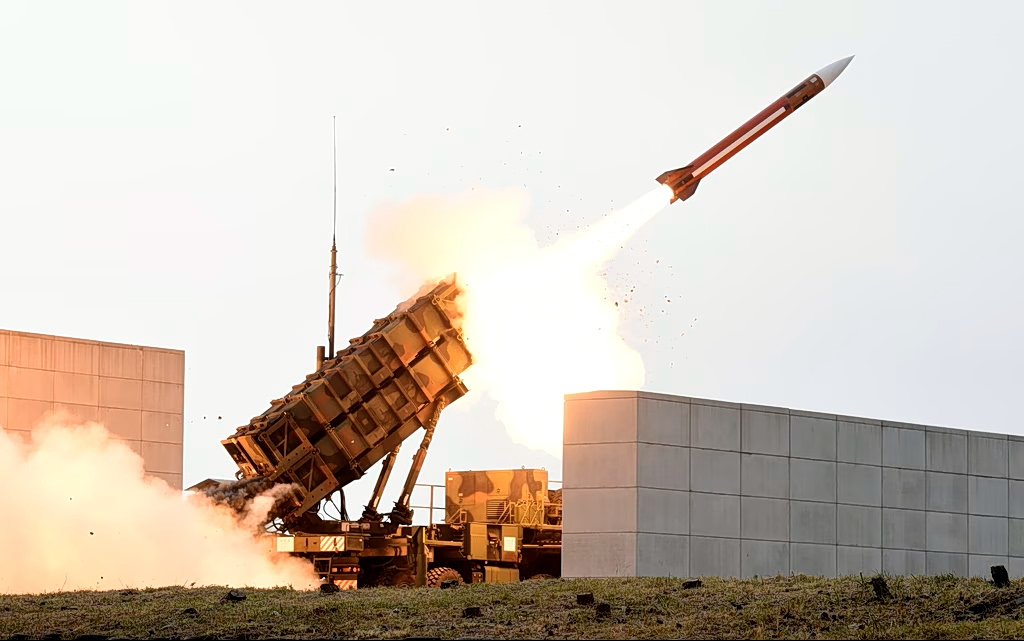
The domestic industrial component was a significant issue during negotiations. The program had been held up over demands for guarantees of Greek industrial participation, with Israeli defense officials and representatives of major contractors subsequently holding talks in Athens.
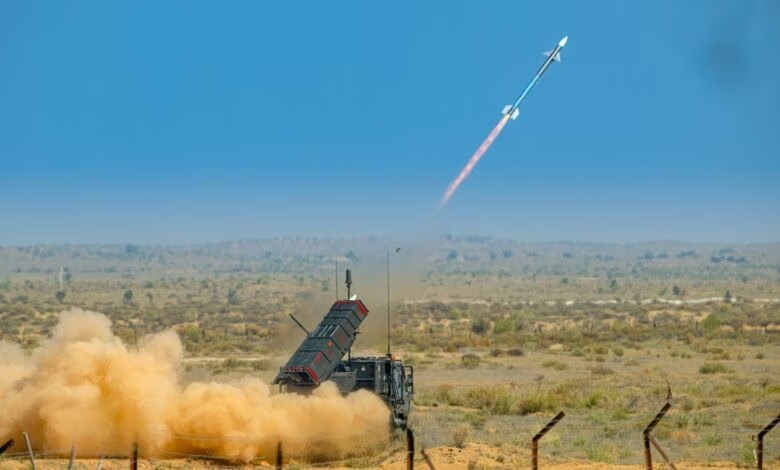
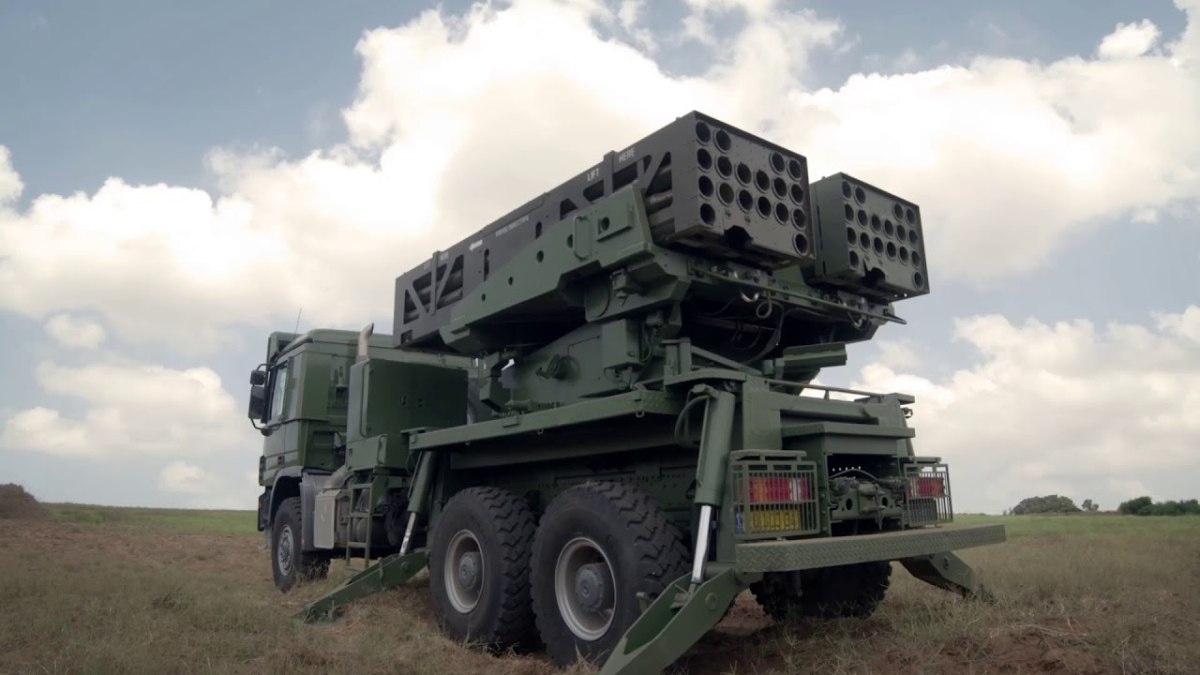
The project is intended to integrate different defensive capabilities into a unified network. The systems identified in connection with the program include Rafael’s SPYDER, Israel Aerospace Industries’ Barak MX and Rafael’s David’s Sling, while Israeli radar technology is also expected to form part of the architecture.
The agreement also comes amid increasingly close defense cooperation between Greece and Israel. The two countries operate a joint air training center in Greece and regularly conduct military exercises, while cooperation has expanded into counter-drone technology, cybersecurity and defense innovation.