 Μake us preferred on Google
 European Union leaders were expected to show strong support for Ukrainian President Volodymyr Zelensky at a European Council summit on Friday. Meanwhile, U.S. President Donald Trump again criticized Kyiv, calling its attacks on Russian oil refineries a “disgrace.”
Zelensky’s visit to Brussels comes at a very hard time for Ukraine. Russian missiles and drones continue to hit Ukrainian cities, and there are growing concerns that Washington could reduce its intelligence sharing and weapons deliveries to Kyiv.
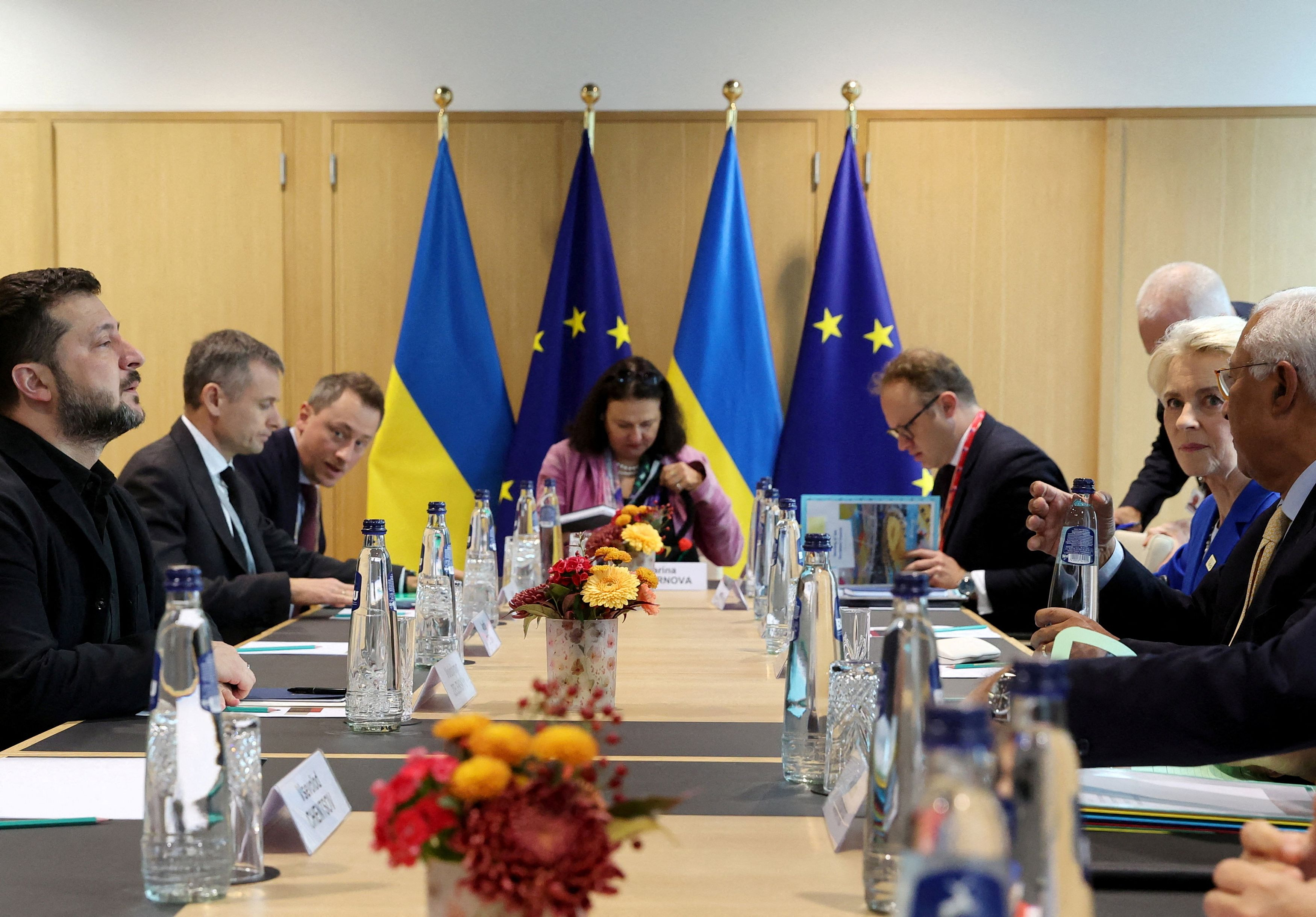
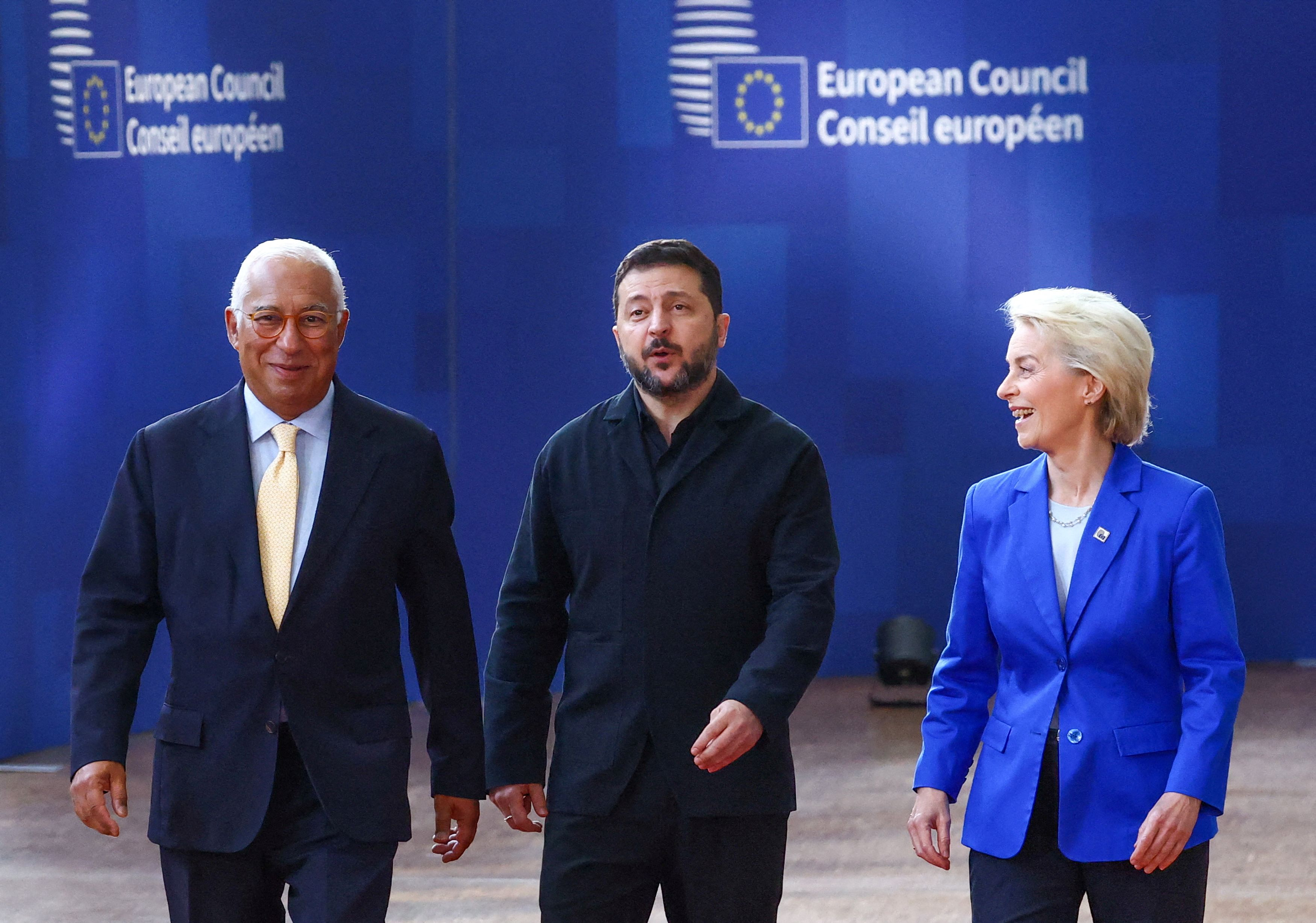
President of Ukraine Volodymyr Zelensky meets with European Council President Antonio Costa and European Commission President Ursula von der Leyen on the second day of a European Council summit in Brussels, Belgium, 16 October 2026. European Union (EU) heads of state and government are meeting with Ukrainian President Zelensky as they focus on continued support for Ukraine, European defence and security, Russia-linked hybrid threats, migration, and the situation in the Middle East.OLIVIER HOSLET/Pool via REUTERS REFILE
A Ceasefire Announced Without Kyiv
Last weekend, Trump surprised Zelensky by announcing that Ukraine and Russia had agreed to stop attacking each other’s energy infrastructure. With U.S. midterm elections set for November, Trump has blamed Ukraine’s strikes on Russian refineries for driving up energy prices, which could hurt him at the polls.
Zelensky later said Kyiv would no longer observe the energy truce and criticized Trump’s readiness to make deals with Moscow. Ukraine then hit a refinery southeast of Moscow that helps supply the Russian capital.
In an interview with Newsmax, Trump said Zelensky’s actions were only pushing global oil prices higher, and he called that a disgrace.
A U.S. official also said on Wednesday that the Trump administration is weighing whether to ease sanctions on “shadow fleet” tankers. These ships have carried oil and petroleum products from Russia and other countries.
EU leaders have criticized Trump’s diesel deal. At the same time, they are dealing with sharp increases in energy prices since the Iran war, an issue that divided member states on Thursday, the summit’s first day.
Getting Ready for Winter
When he arrived at the summit, Zelensky said Ukraine wants the war to end as quickly as possible. He added that Russia has shown no sign it is ready to do the same, so Ukraine has to prepare for winter. He said the “winter package” covers air defense and funding as well as energy, and that he would discuss Ukraine’s needs for the rest of 2026 and for 2027.
Earlier this month, Zelensky told Reuters that Ukraine and its European partners had agreed on a plan to cover a $27 billion shortfall in this year’s military budget. That would let Kyiv order the drones it needs to keep fighting into early 2027.
However, Finance Minister Sergii Marchenko recently said Ukraine still has a $32.6 billion funding gap in next year’s budget. That figure does not include about $40 billion in direct military aid expected from allies.
Dutch Prime Minister Rob Jetten said he was disappointed by how few countries have offered new financial support to Ukraine. He also said several countries are expected to announce more military aid soon. According to Jetten, Friday’s talks would focus mainly on how to handle the difficult diplomatic situation and how Ukraine can get through the winter. Asked about Trump’s comments, Jetten said the language was inappropriate and that defending Ukraine is in Trump’s interest as well.
Belgian Prime Minister Bart De Wever predicted that Zelensky would thank EU leaders for the 90 billion euros already committed. He also expected Zelensky to warn that the money will eventually run out because war is extremely expensive. De Wever said the real question is whether Europe is still willing and able to back its promises with money to keep Ukraine’s society and military functioning.
Russia Responds
Russian President Vladimir Putin downplayed the impact of Ukraine’s refinery strikes and said they had caused no significant damage.
The day before Zelensky’s visit, Moscow moved to place the local assets of French, German, Swedish, and Dutch companies under temporary Russian management. The move was retaliation for the EU’s support of Ukraine.
Russian attacks also continued. Local officials said drone strikes on Kharkiv killed three people. Attacks on the Volyn region, which borders Poland, left 370,000 people without electricity. Private energy company DTEK said on X that emergency power outages were put in place in Kyiv during the Russian strikes.