 Μake us preferred on Google
Greece is planning a major overhaul of its military reserve system, aiming to build an organized, trained and operationally available force of 150,000 personnel, as part of the Armed Forces’ broader “Agenda 2030” reform program.
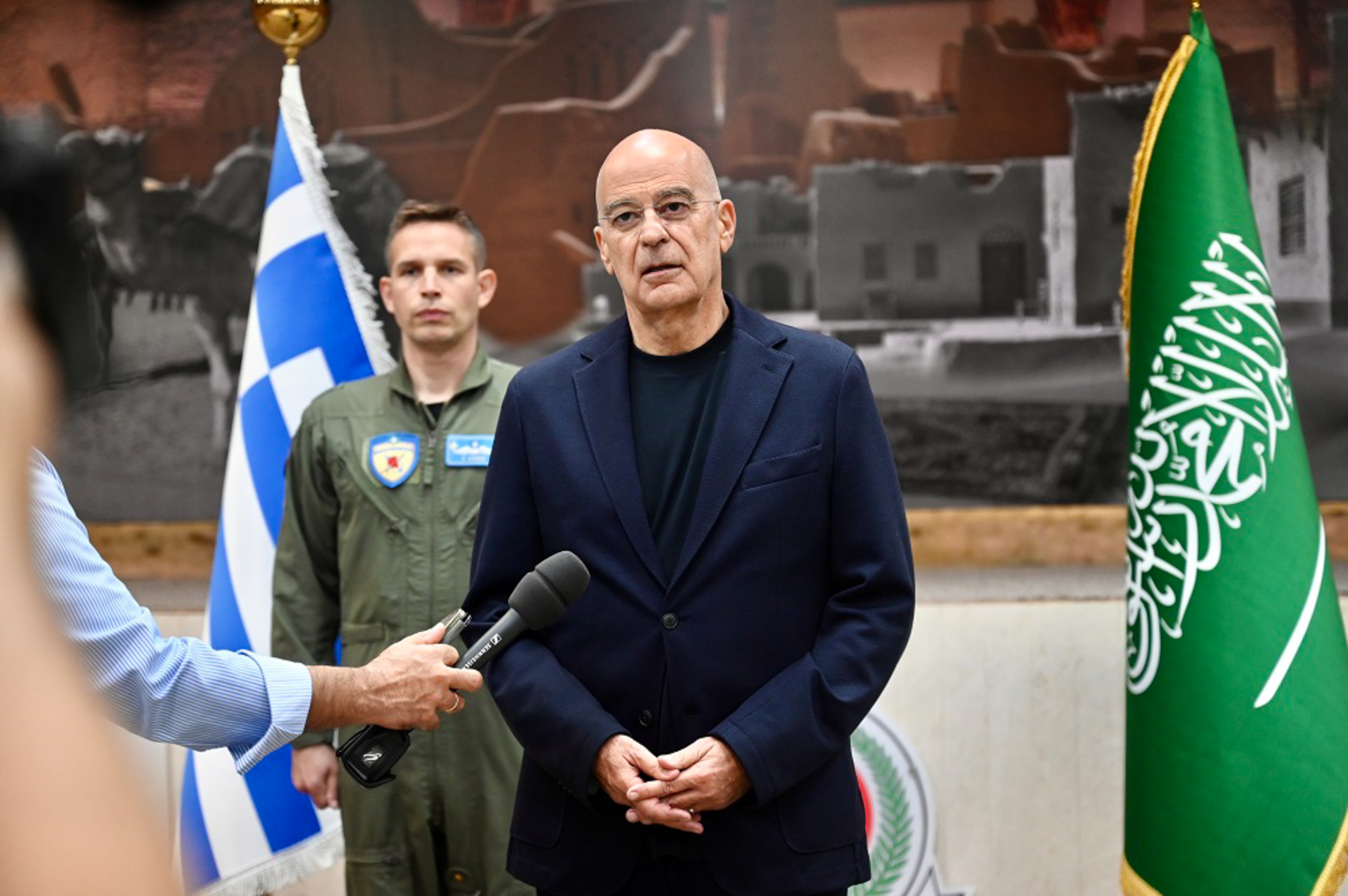
The plan, promoted by Defense Minister Nikos Dendias, includes expanded training, new facilities, closer ties between reservists and active military units, and the introduction of voluntary retraining. It also introduces a digital system for delivering mobilization documents through the government’s Gov.gr platform.
The reforms are intended to strengthen the readiness of reservists and improve the overall operational capabilities of the Armed Forces.
Dendias has described the reserve system as a central part of Greece’s defense tradition, emphasizing the role of citizens in supporting the military in defending the country, its sovereignty and its sovereign rights.
Speaking at the opening of the second conference on the reorganization of the reserve system on Tuesday, November 24, he said the transition to the new model would take place gradually, in successive phases, allowing reservists time to adapt to the new requirements.
Three reserve retraining centers planned
The creation of suitable facilities for the training and retraining of reservists is a key part of the reform.
Two reserve centers, in Avlonas and Litochoro, have already been renovated. A third center is planned for Crete, with work expected to be completed in the first half of 2027.
The new system will also accelerate training cycles and gradually expand the range of activities available to reservists.
Training to include drones and modern technologies
The revised training program will place greater emphasis on skills and technologies relevant to modern military operations.
Reservists will receive training on new weapons systems, the operation and handling of unmanned aerial vehicles (drones), modern communications technologies and Tactical Combat Casualty Care (TCCC), which focuses on providing first aid in combat environments.
The program will also make wider use of simulators and include exercises involving small military units, with the aim of maintaining and improving reservists’ knowledge and skills.
Training will be organized in successive phases rather than being limited to a single cycle of activities, creating more opportunities for participation and gradually accelerating the overall program.
Voluntary retraining for former service members
The reform also provides for the establishment of a voluntary active reserve system, allowing citizens who have completed their compulsory military service to participate voluntarily in organized training activities.
The initiative is intended to help former service members maintain an active connection with the Armed Forces and continue developing their military skills.
Additional training for reserve officers
Special provisions are also planned for reserve officers.
These include a Land Operations Tactical Planning Course at the Army War College, as well as specialized staff training. An online library will also be created to collect educational materials and support their continued professional development.
The measures aim to strengthen reserve officers’ staff-planning skills and better prepare them for their roles within the active reserve force.
Closer ties with active military units
Another central objective is to establish a closer and more permanent relationship between reservists and active Armed Forces units.
Their involvement will extend beyond scheduled training periods. Reservists are expected to participate in activities organized by military formations, national anniversary events, ceremonies and other public activities involving the Armed Forces.
Dendias said the aim was for the active reserve to become a permanent part of the military’s operations rather than a system activated only occasionally or during scheduled exercises.
This approach is intended to maintain reservists’ familiarity with the military environment and strengthen their ties with the units in which they could be called upon to serve.
Mobilization documents to be delivered through Gov.gr
The reform also includes the digital modernization of communication with reservists.
Mobilization documents can now be sent electronically through Gov.gr, Greece’s government digital services portal, and its Citizen Inbox. The system replaces older bureaucratic procedures under which mobilization notices were delivered in person by police officers.
The digital process is designed to make receiving the documents faster and easier, improving communication between military authorities and reservists.
To receive mobilization documents electronically, citizens must register with the National Register of Communications (EMEp) through Gov.gr.
The transition to the new reserve system will proceed gradually through additional training and new activities, with the goal of creating a force equipped with modern skills, better prepared and playing a more substantial role in Greece’s national defense.