 Μake us preferred on Google
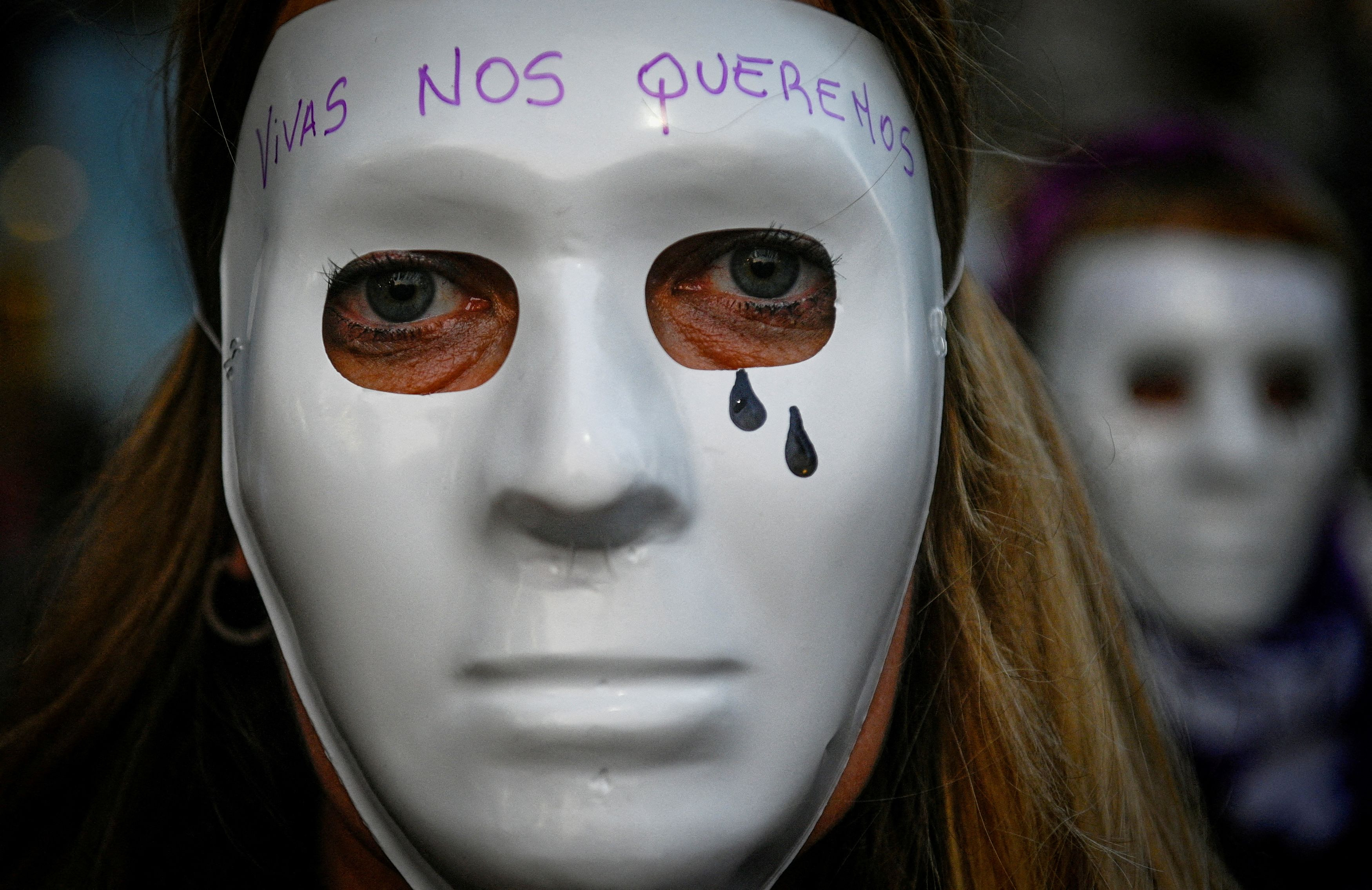
In public debate in recent years, it has become increasingly common to hear that feminism has fulfilled its purpose. Women have secured institutional equality in many countries, gained access to education and the labor market, and, as a result, discussions about gender-based oppression are sometimes dismissed as outdated.
Daily news reports, however, expose the complacency behind that argument in the starkest possible terms.
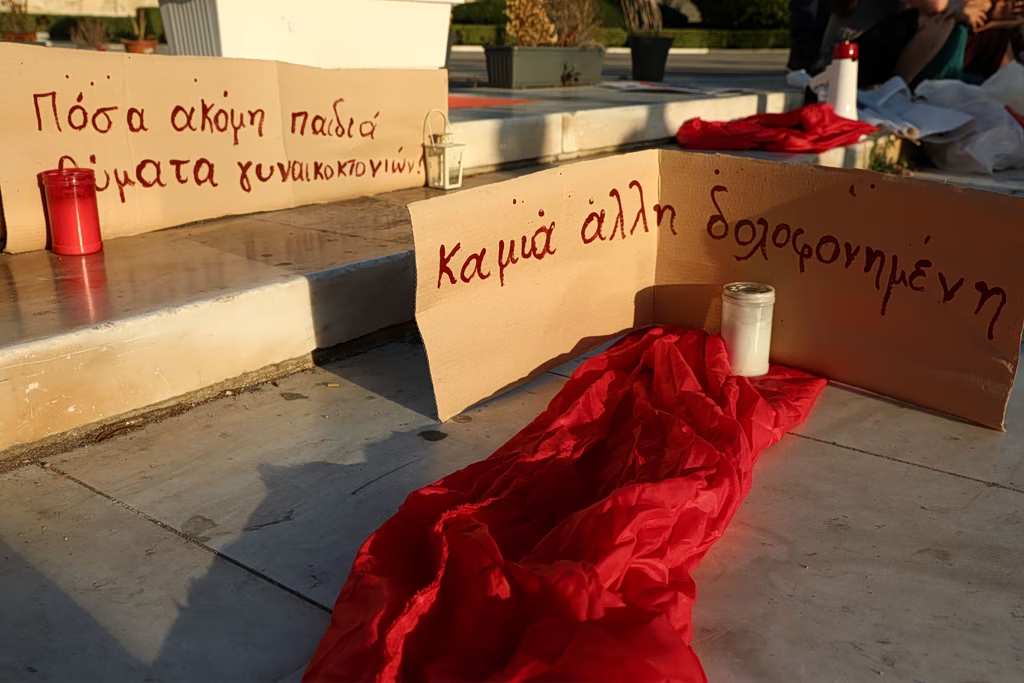
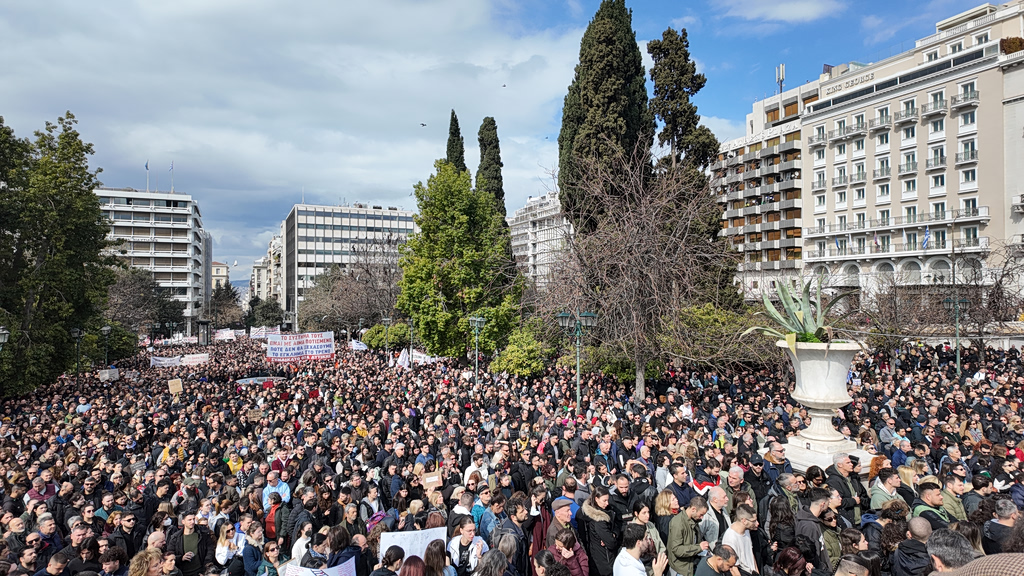
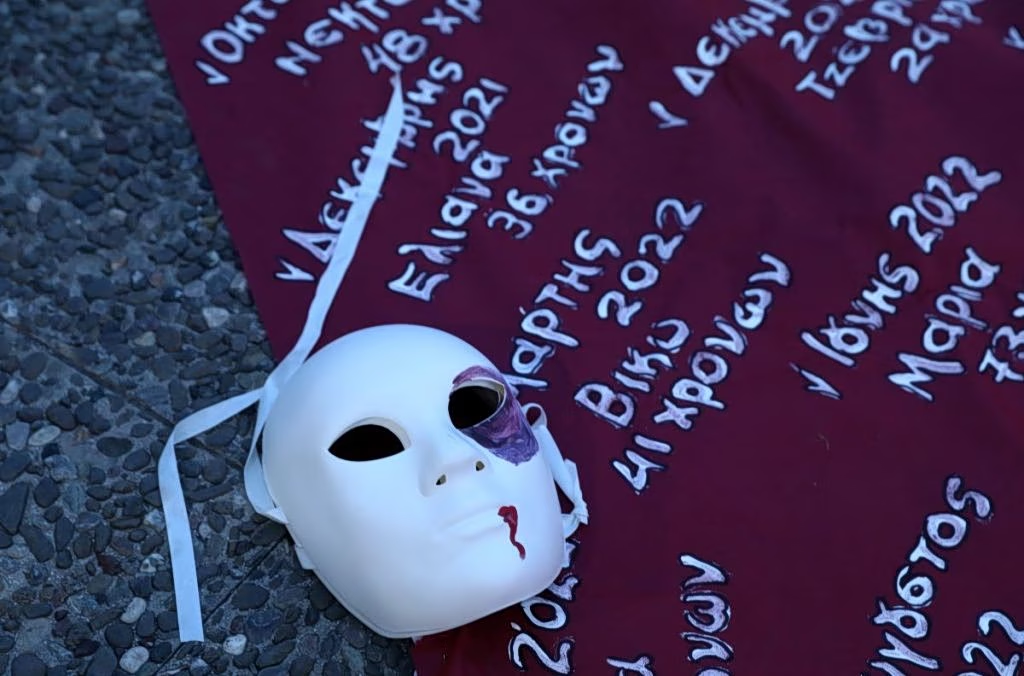
The repeated femicides that have shaken public opinion in Greece and around the world; the institutionalized silencing and inhumane treatment of women in Afghanistan, where they are excluded from education and public life; the case of Gisèle Pelicot in France; and the chilling message “free pussy upstairs,” exchanged by fraternity students at Cornell University in New York, are just some of the cases demonstrating that gender-based violence continues to cut across societies, generations and social classes.
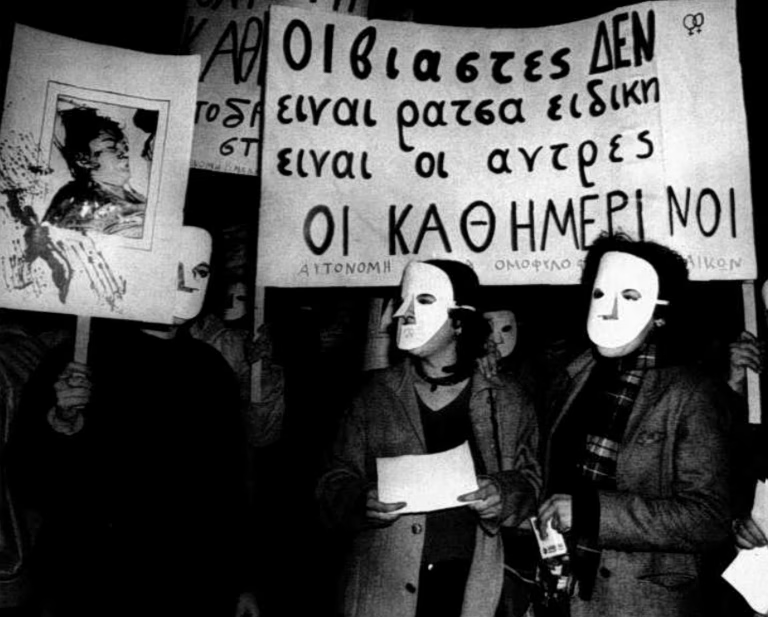
“Tachydromos,” March 4, 1992. Historical Archive of TO BHMA and TA NEA.
The cases that make headlines are often the most extreme manifestations of a much broader phenomenon. Violence against women is not limited to physical assaults and femicides. It also takes less visible forms, including psychological abuse, verbal degradation, financial control, sexual harassment, intimidation and restrictions on personal freedom, in both private and public life.
The frequency with which such incidents appear in the news explains why November 25, the International Day for the Elimination of Violence Against Women, remains necessary. It serves as a reminder that legal equality on paper is not enough when everyday life remains a source of fear.

The History of November 25
Behind the establishment of this international day lies the story of three women from the Dominican Republic.
On November 25, 1960, sisters Patria, Minerva and María Teresa Mirabal — known as “Las Mariposas,” or “The Butterflies” — were brutally murdered on the orders of dictator Rafael Trujillo because of their political activism against his regime.
In 1981, activists in Latin America designated the date as a day of remembrance and struggle against gender-based violence. The initiative was officially recognized by the United Nations in 1999.
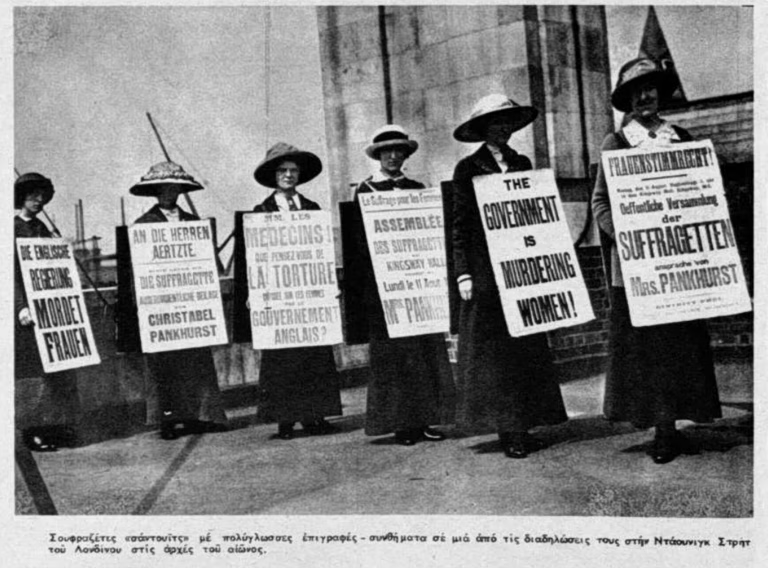
Looking back through the archives of the newspapers TO BHMA and TA NEA from the early 1980s — when November 25 was being established as a day of advocacy by the women’s movement — it is difficult not to be struck by how familiar the articles from that period still sound.
“Major and Minor Rapes”
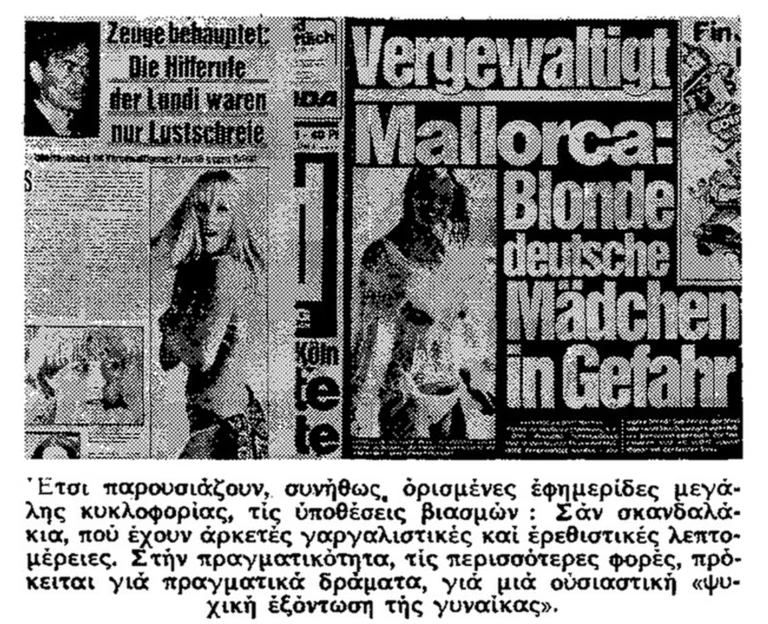
On August 14, 1981, the newspaper TA NEA published an extensive report titled “Major and Minor Rapes.” It described what we now call rape culture and everyday harassment:
“Because rape, as many publications and books have written, is no longer just rape. Alongside it, the modern woman also has to contend with the whistles she hears as she walks down the street, or the pinching and groping she experiences on the street or on the bus. All these ‘minor rapes’ strike deep wounds in her soul and personality.”
The same article also documented the secondary victimization women faced in courtrooms, a phenomenon they continue to report today:
“In rape trials, the victim is subjected to the worst kind of torment. This is because the easiest and most common defense used by the perpetrator rests on the claim that ‘the woman was not raped, since she cooperated in the sexual encounter.’
“From that point on, ‘the victim becomes the accused.’”
Evangelos Machairas, then president of the Athens Bar Association, told the newspaper:
“Rape is a common crime in our country. It is certain, however, that not all cases make it to court, because the belief still prevails that a victim will be publicly shamed if she reports the crime.”
Lawyer Christoforos Argyropoulos linked the criminal treatment of rape “to women’s demands for self-determination and autonomy in a world that pretends to believe in gender equality.”
“These Things Happen Between Couples”
A few months later, on March 18, 1982, TA NEA reported on “Shocking Testimonies from Women Who Were Raped” at an event organized by the Movement of Democratic Women of Thessaloniki.
The words of the victims from that period reflect the same silence and fear that continue to trap many women in abusive relationships today.
One woman described the abuse she had suffered at the hands of her husband and the response she received when she sought help:
“At the hospital I went to, they told me, ‘You should convince yourself that you got cut. These things happen between couples.’”
The legislation in force at the time also reflected the prevailing attitudes toward marriage: it did not recognize rape within marriage. It would take another 24 years for marital rape to be criminalized in Greece, under Law 3500/2006.
At the same event, the speaker presenting the issue offered a definition of violence that could have been written in 2026:
“Violence is also the ‘teasing’ on the street; violence is what we women inflict on our own bodies (‘surgeries, pills, diets to bring ourselves closer to the ideal that is desirable, not for us, but for him’).
“Violence is the competition that develops among us, our being steered toward ‘women’s’ professions, our being the first to be laid off, being treated as ‘objects’ and ‘dolls’ in our workplaces, and also the fear and the attempt to place the blame on the woman — ‘what were you wearing,’ ‘what were you doing there at that hour,’ and so on — for male violence.”
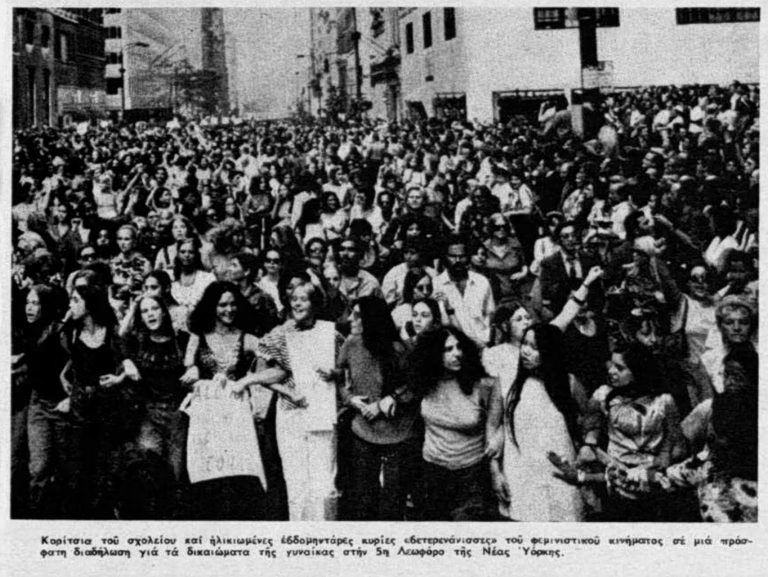
Violence in the Digital Age
Forty-five years later, despite the significant social and legislative advances made in the intervening decades, many of the issues highlighted in those articles remain relevant, while new forms of violence have emerged alongside the old.
Where psychological abuse was once confined to the four walls of a home or neighborhood, it can now take the form of online harassment. Public humiliation, misogynistic comments, the nonconsensual distribution of intimate images, the creation of sexual deepfakes and digital surveillance have become additional tools of abuse.
In every era, mechanisms of power find new ways to demean, control and abuse women. That is why November 25 is not merely a commemorative date, but an ongoing and necessary alarm.