 Μake us preferred on Google
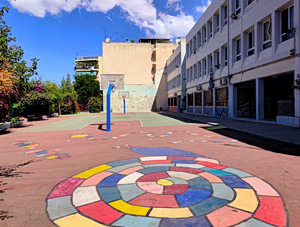
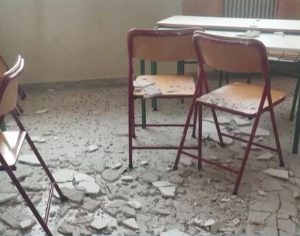
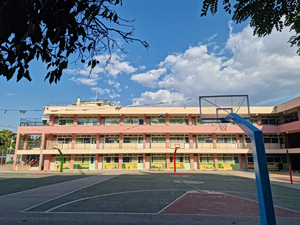
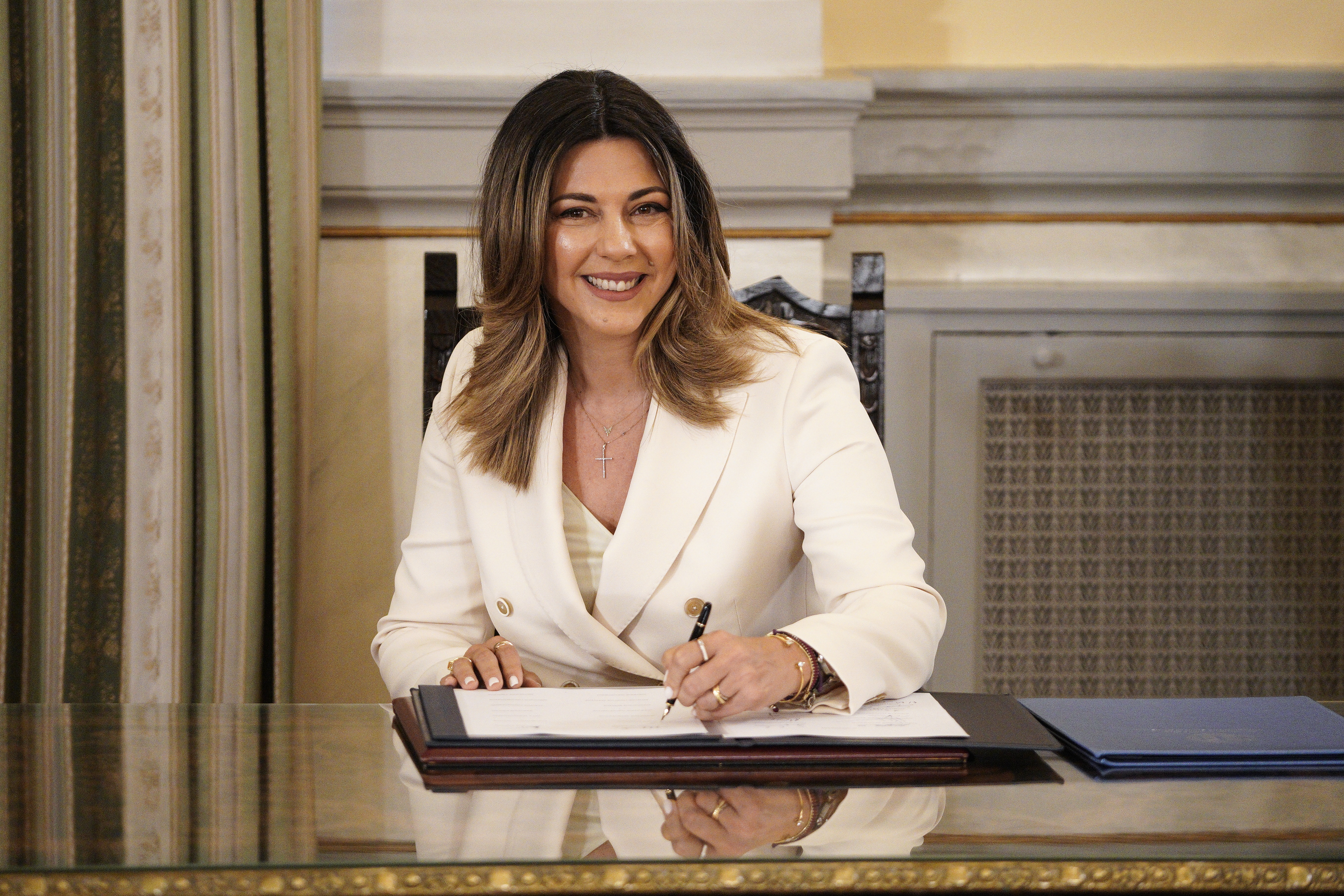
Greek Education Minister Sofia Zacharaki has defended the government’s record on school infrastructure, saying €2.2 billion has been secured for school buildings and equipment since 2019, while acknowledging that significant needs remain unmet.
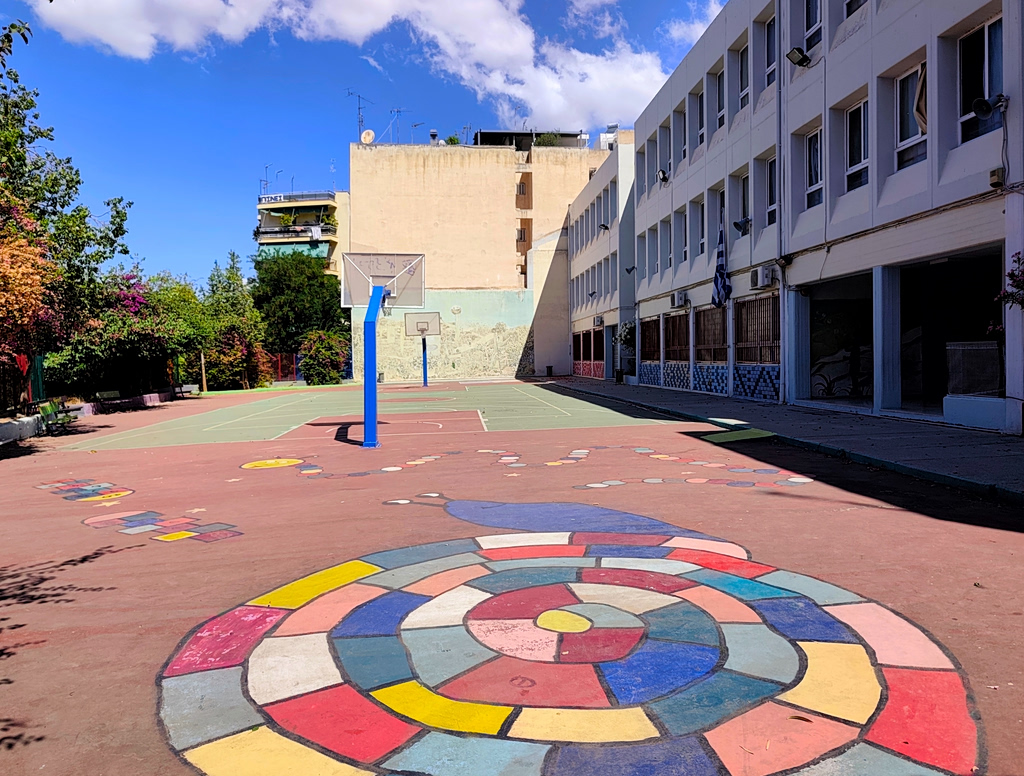
In a written response to criticism over the condition of school buildings and delays in answering parliamentary questions, Zacharaki said responsibility for the maintenance, repair and management of primary and secondary school buildings rests directly with municipalities, rather than the Education Ministry or central government.
She also presented figures on funding and projects launched between 2019 and 2026, saying that payments made so far have reached €1.107 billion. The minister stressed, however, that more progress is needed to address schools’ infrastructure needs.
€2.2 billion in funding and 1,415 projects
According to Zacharaki, a total of €2.2 billion has been secured for school infrastructure and equipment through national and European funding sources since 2019. Payments made to date amount to €1.107 billion.
A total of 1,415 funded projects, worth €1.895 billion, have been approved across Greece. Their allocation is as follows:
- €935 million for 287 projects involving the construction of new schools, additions and extensions.
- €317 million for repairs, maintenance and upgrades to school buildings.
- €254 million for energy-efficiency improvements.
- €389 million for school equipment.
Zacharaki clarified that these figures reflect the overall work of the state, rather than projects undertaken exclusively by the Education Ministry. The funding and interventions involve cooperation among several ministries, regional authorities, municipalities and other bodies.
Marianna Giannakou program and further upgrades
The figures do not include the “Marianna Giannakou” program, which supports renovations at school facilities and is continuing with the help of a donation from Greek banks.
Zacharaki said the immediate goal is to prepare more than 500 studies for future interventions, with the broader aim of renovating a total of 2,000 schools by the summer of 2028.
The ministry has also submitted a proposal for a school energy-upgrade program with a budget of approximately €40 million. The proposal was approved under the Modernisation Fund, and the minister said there is potential for a significant expansion of the program in 2027.
The effort to secure additional funding involves, among others, the ministries of Interior; Infrastructure and Transport; and National Economy and Finance, as well as the state-owned building infrastructure company KTYPO.
National School Infrastructure Map to identify needs
One of the ministry’s planned initiatives is the creation of a “National School Infrastructure Map,” a unified digital platform designed to systematically record and monitor the condition of school buildings across Greece.
The platform will include information on when buildings were constructed and their age, available spaces and equipment, as well as the specific needs of each school.
The aim is to help authorities prioritize repairs and renovations more effectively and use demographic data to plan the construction of new schools in line with the future needs of each area.
Zacharaki said accurate data collection is essential for more effective planning and the prioritization of interventions.
Minister responds to 11 parliamentary questions
Zacharaki also addressed criticism over the ministry’s handling of 11 parliamentary questions cited in the report to which she was responding.
She rejected claims that the ministry had delayed or failed to provide answers, saying none of the 11 questions had exceeded the 25-day deadline stipulated by Parliament’s rules of procedure.
The relevant departments are preparing the responses, which she said would be submitted to Parliament within the required timeframe.
“Compliance with the parliamentary procedure for answering questions […] cannot, therefore, be presented as ‘radio silence,’” she said.
The minister said she respects both parliamentary scrutiny and media criticism, but argued that reporting should be based on an accurate and complete presentation of the available data.
She added that the ministry’s detailed figures on investments and interventions in school infrastructure since 2019 could have been requested as part of the journalistic investigation. According to Zacharaki, the information is available to Parliament, political parties and the media.
Education reforms and 53,212 permanent appointments
Beyond school infrastructure, Zacharaki outlined broader changes underway in Greece’s education system.
These include the modernization of school equipment, digital education initiatives and updated educational content developed in cooperation with the Institute of Educational Policy. She also cited the operation of the Digital Tutoring Center, the establishment of Public Onassis Schools and the introduction of the International Baccalaureate program in public schools.
Other measures include new courses and changes to vocational education.
On staffing, the minister said more than 15,000 permanent appointments had been made over the past two years, as part of a total of 53,212 permanent appointments.
A national dialogue on the proposed National High School Diploma is also underway. According to Zacharaki, the discussions have been ongoing for nine months and focus on the quality of education and young people’s prospects.
School equipment upgrades include interactive whiteboards, educational robotics systems, defibrillators, individual lockers for elementary school students and new sports equipment. Improvements have also been made to science laboratories and music and arts schools.
In higher education, the ministry is using national and European funds to develop new facilities, student housing and laboratories, as well as upgrade university infrastructure.
“More needs to be done,” minister acknowledges
Zacharaki acknowledged that schools’ needs have not yet been fully met, saying that improving infrastructure requires closer cooperation with local authorities and the ministries involved.
She added that although municipalities have the institutional responsibility for maintaining school buildings, this does not absolve the Education Ministry of its political responsibility to take initiatives and seek additional funding.
“Much is being done. Much more needs to be done. We have a plan, we know the needs and we are working to secure the necessary resources,” she said.
The minister said the ultimate goal is to ensure that every child, regardless of where they live, has access to a safe and modern school environment. She acknowledged that upgrading school facilities remains one of the education system’s key challenges.