 Μake us preferred on Google
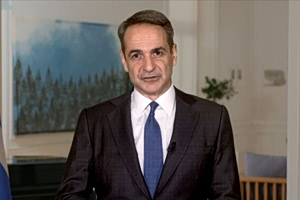
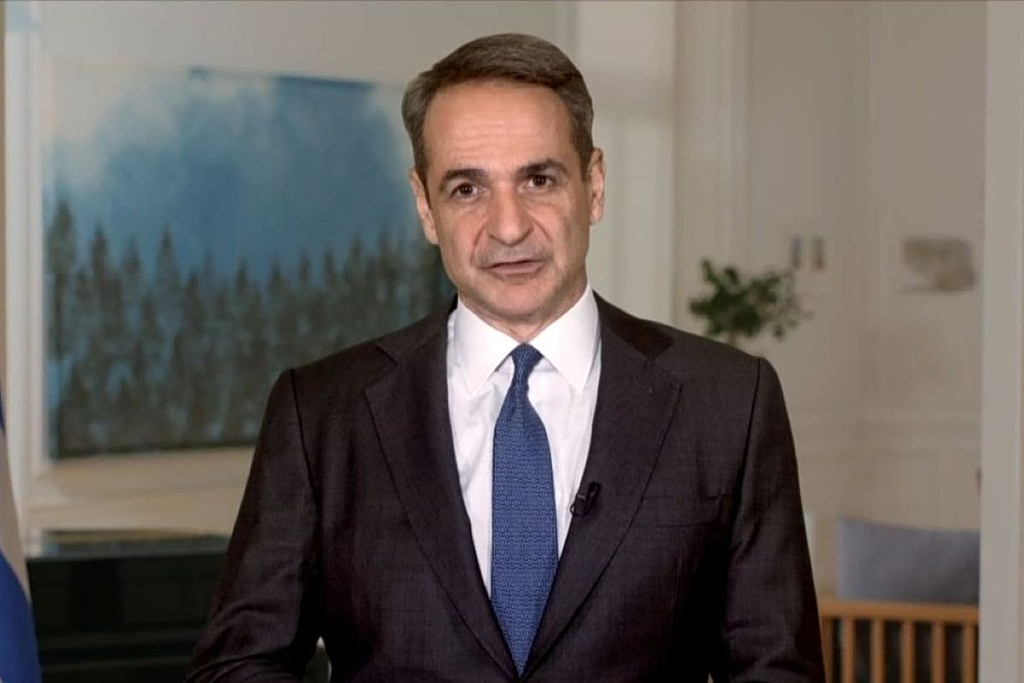
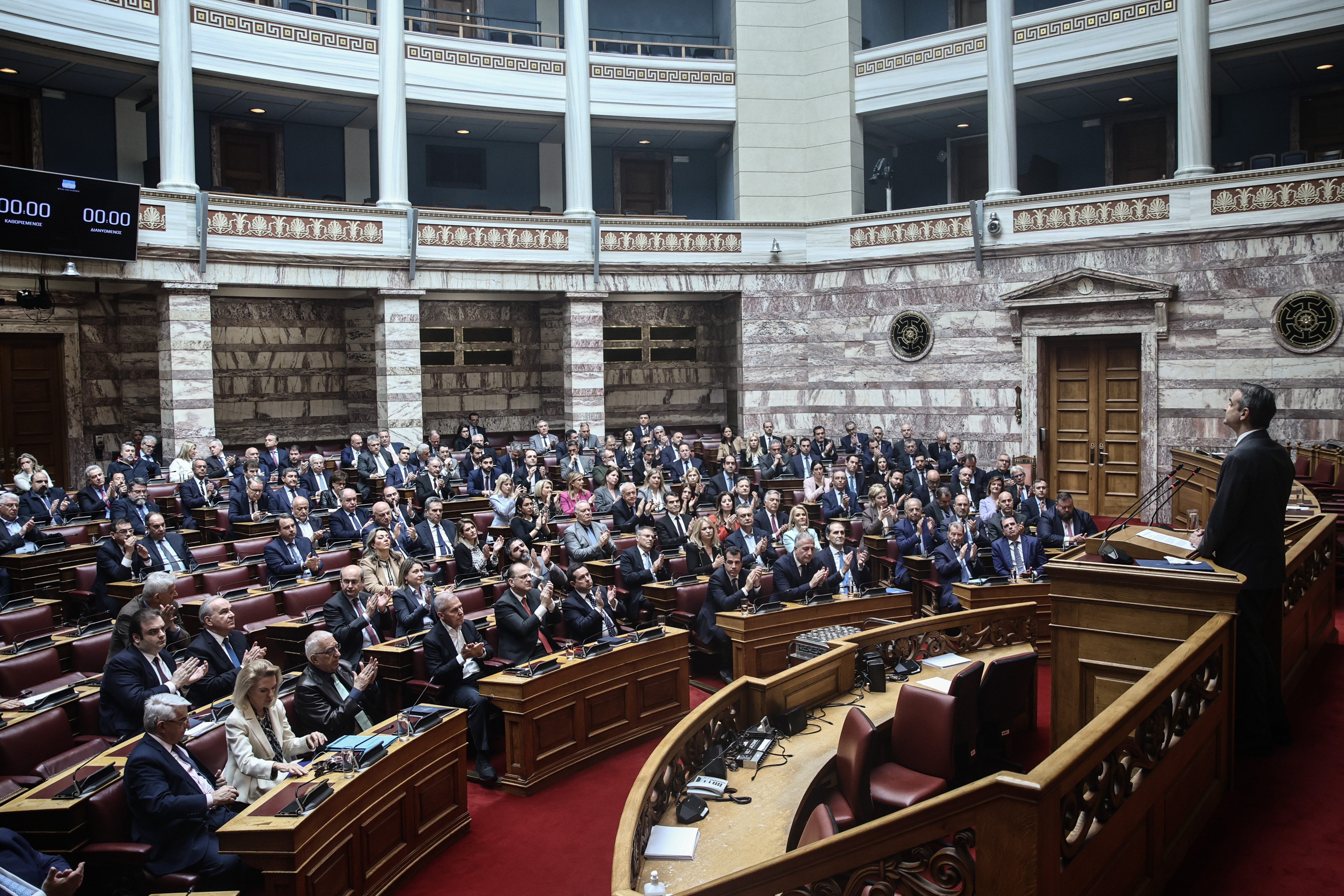
 The mood inside Greece’s ruling New Democracy party has grown increasingly tense following Prime Minister Kyriakos Mitsotakis’ latest address and the political fallout from the expanding investigation into the OPEKEPE agricultural subsidies scandal.
Instead of calming nerves, the prime minister’s remarks appear to have deepened unease within the parliamentary group. The timing is particularly sensitive, with the party heading toward a key congress in the coming weeks.
Reform plan sparks backlash
At the center of the reaction is Mitsotakis’ suggestion of a post-election constitutional reform that would separate ministerial and parliamentary roles. Under the proposal, MPs appointed to Cabinet positions would give up their parliamentary seats, which would then pass on to the next eligible candidate in their district.
Many lawmakers reacted with frustration. Some said they had expected a more supportive tone from the prime minister, especially given the ongoing legal developments linked to case files from the European Public Prosecutor’s Office.
Instead, his stance was widely seen as distancing himself from both those named in the files and others who operate within legal boundaries while handling legitimate constituents’ requests.
Expectations of support fade
Discontent had already been building in recent day, as the government signaled it would move to lift parliamentary immunity for those referenced in the case files. A limited Cabinet reshuffle also added to the sense of instability.
Some MPs had believed they would receive clear political backing, particularly those who appear, based on available evidence, not to have engaged in any wrongdoing. Several say they had been given such assurances in private conversations. That expectation extended to a broader group of lawmakers. Many worry that routine political activity — especially responding to voter requests — could now come under greater scrutiny.
The prime minister’s remarks, however, seemed to dispel those expectations.
A deeper trust issue
The Prime Minister’s reform proposal has touched on a more fundamental concern: trust.
A number of MPs have interpreted the move as a sign of limited confidence in elected lawmakers. It has also revived complaints about the increasing use of unelected officials and technocrats in ministerial roles.
Critics argue the proposal does ittle to address entrenched political practices. Instead, they warn it could create competing power centers and make the system even more complex than it already is.
The reaction has reached the prime minister’s inner circle, with aides fully aware of the growing frustration inside the party. Attention has now turned to whether Mitsotakis will press ahead with the reform or allow the idea to quietly fade in order to ease tensions.