 Μake us preferred on Google
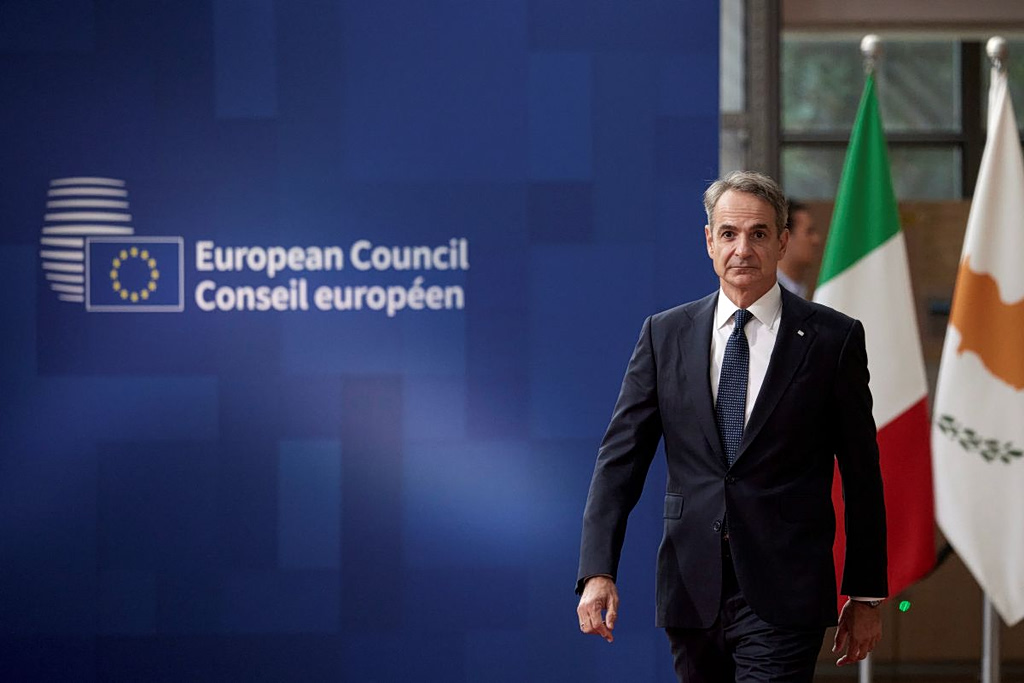
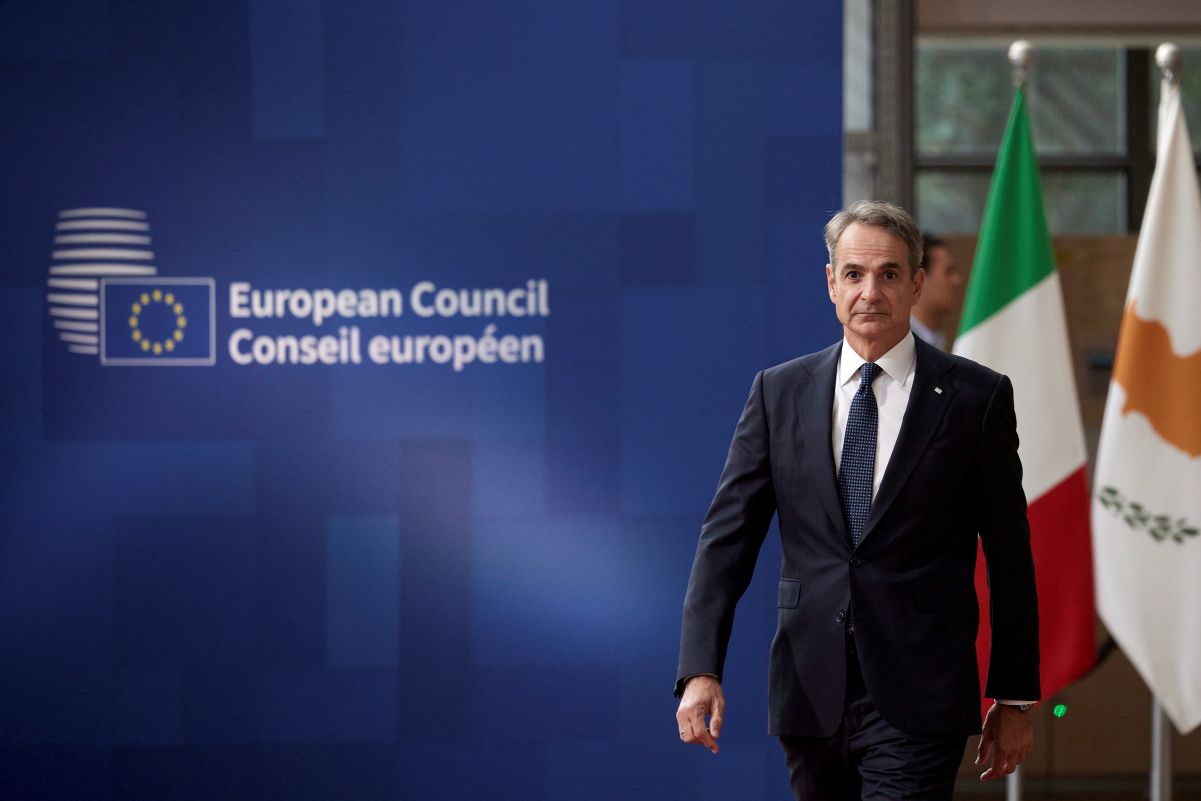
 Prime Minister Kyriakos Mitsotakis outlined Greece‘s three key priorities on Thursday, October 15, as he arrived for the European Council, in Brussels: negotiations on the EU‘s next long-term budget, soaring energy costs and the handling of migration crises.
On the new Multiannual Financial Framework, Mitsotakis voiced Athens’ dissatisfaction with the Irish presidency’s proposal, arguing that there is a fundamental mismatch between the European Commission’s ambitious goals and the resources available to achieve them. Greece, he noted, is one of 16 countries in the self-styled “Friends of Cohesion” group, which have pledged to reject any cuts to cohesion policy and the Common Agricultural Policy (CAP), two pillars of European integration.
He said he hoped the talks could be wrapped up at the December summit, but stressed that the more fiscally hawkish member states would first need to be persuaded, so that critical areas of EU policy are spared further cuts.
His second priority was competitiveness and the cost of energy, which he said has fueled a fresh rise in inflation across Europe. National measures alone are not enough, he argued, and a common European response is needed. Greece will therefore push for the summit conclusions to include a call on the Commission to consider additional measures and greater flexibility to support the households and businesses most in need.
Mitsotakis added that prudent fiscal management allows his government to step in and support society, pointing to the heating oil measures announced the previous day and to the heating allowance, which takes into account the greater needs of certain regions. “Greece currently has one of the lowest heating oil prices in the entire European Union,” he said, linking the government’s ability to help citizens to its fiscal discipline.
He cautioned, however, that he does not expect the energy negotiations to conclude quickly, noting that the Commission will be asked to bring forward proposals beyond those already tabled.
The third item on Greece’s agenda was migration. Mitsotakis welcomed the Commission’s acceptance of a Greek proposal for a crisis-response mechanism that would allow frontline countries, under exceptional circumstances, to suspend asylum applications and carry out mass returns.
He compared the initiative to the case of Ceuta, which he likened to the events on the Evros border in 2020. The proposal, he said, enjoys the backing of member states, and he expects it to be enshrined in EU law soon.
“I am pleased that yet another Greek initiative has been adopted at the European level,” he said, underscoring the mechanism’s importance for countries on the front line of migration pressures.