 Μake us preferred on Google
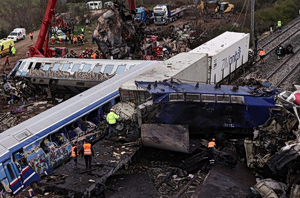
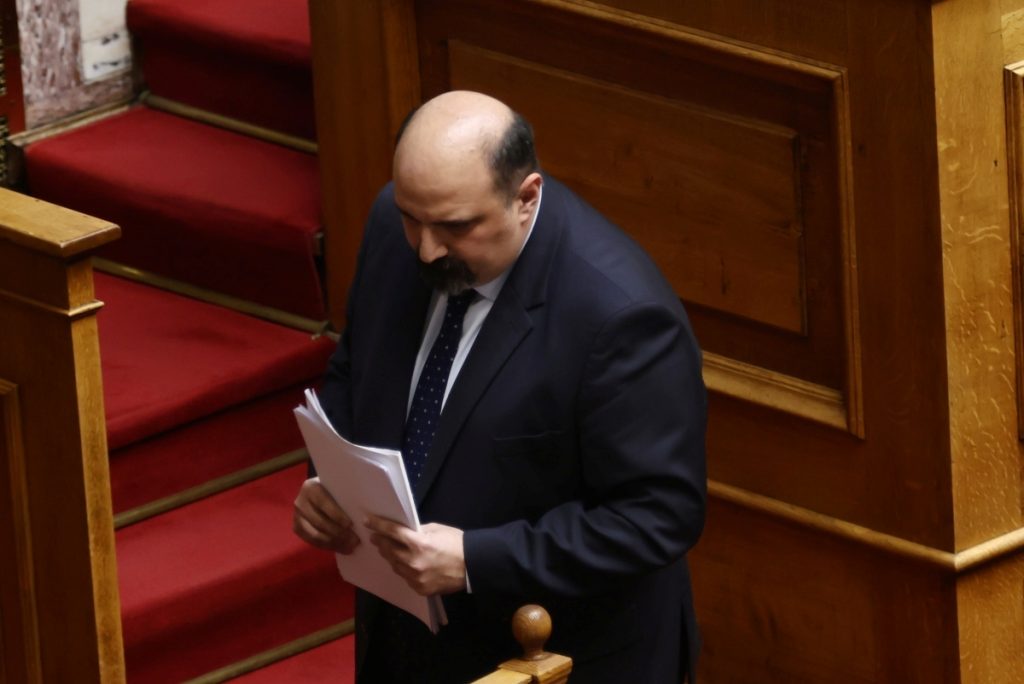
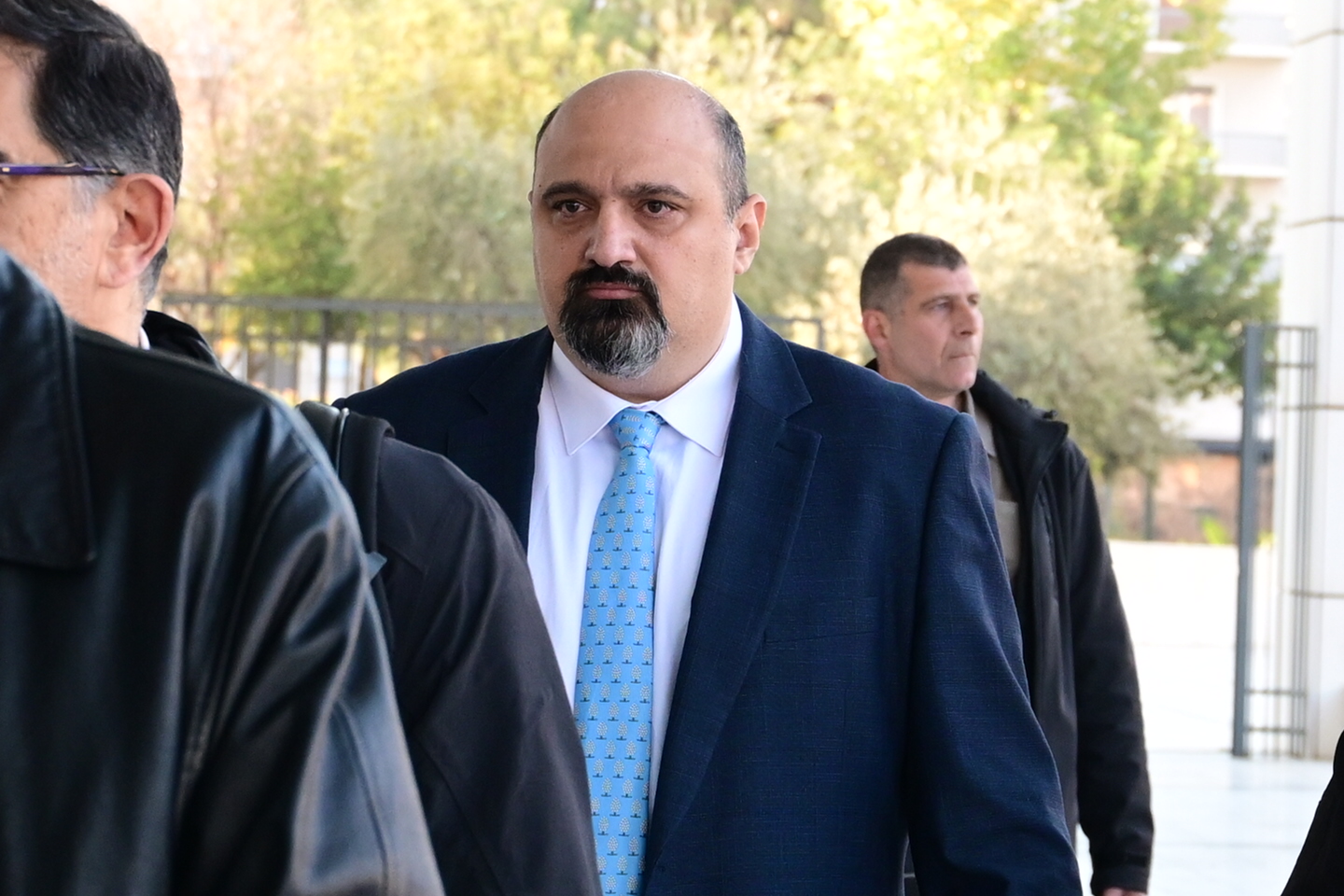
 The 204 page ruling ordering former Deputy Minister Christos Triantopoulos to stand trial before the Special Court over the handling of the crash site in the aftermath of the Tempi crash sets out in detail the judicial council’s reasoning. At the center of the decision is the removal of about 300 cubic meters of soil and other material from the site in the days after the collision, followed by work to cover parts of the area with gravel and milled asphalt. The judges found that those interventions took place while the criminal investigation was just starting, before even all of the victims had been located and while evidence was still being collected.
They concluded that the work contributed to the loss of important evidence and made the investigation more difficult. The material removed from the site included passengers’ personal belongings, fragments of the trains and their systems, as well as biological material that could have helped identify victims, according to the ruling. The ruling notes that some passengers were still missing, including 22-year-old, Erietta Molho, whose remains have never recovered.
The judges also addressed what they said was the purpose of the defendants’ actions. By making it harder to collect evidence, they wrote, the defendants sought to “improperly intervene in the ongoing investigation.” The ruling said the work was carried out while investigators were still gathering evidence and before all of the victims had been found. It said the result was to hinder the timely use of material from the scene and to cause harm “to the state and, in particular, to the functioning of the justice system.” The judges also said the actions were intended to provide an unlawful benefit to people whose potential criminal responsibility in the disaster was under investigation.
The ruling attributes a direct role in part of that work to former Thessaly Gov. Kostas Agorastos, saying he instructed a contractor to lay gravel on a road at the site and cover another section with milled asphalt. In Triantopoulos’ case, the judges focused instead on his failure to intervene. They found that he did not act to stop the work, despite what they described as a specific legal obligation to do so. That conclusion rests in part on the responsibilities the council says had been assigned to him at the scene. The ruling states that Triantopoulos was responsible for monitoring and coordinating the actions of ministries and other state bodies involved in the response to the disaster.
The judges also referred to witness testimony indicating that had been raised during meetings attended by Triantopoulos and Agorastos. According to those accounts, concerns were expressed that the collection of evidence had not been completed and that decisions affecting the site fell under the authority of the judicial officials investigating the collision.
Triantopoulos had sought to clarify the scope of his responsibilities at the crash site, asking that Ioannis Bratakos, his political superior at the time, be called again to testify. The judges rejected the request, finding that the evidence already before them was sufficient. Among the material they cited were Triantopoulos’ own public statements describing the additional responsibilities he had taken on after the crash. The council ultimately concluded that the conduct attributed to Triantopoulos was connected to the exercise of his official duties, a finding that places the case within the jurisdiction of the Special Court.
The judicial council does not address the wider range of allegations that have surrounded the Tempi disaster. Its findings are confined to the conduct examined in this case and to whether there is sufficient evidence for the defendants to stand trial.
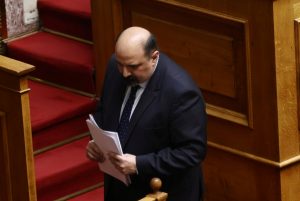
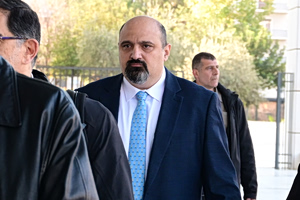
Triantopoulos has denied wrongdoing and said he expects the Special Court proceedings to establish his innocence. After the referral was announced, he also said he would not run in the upcoming national election because the demands of preparing for the case would make it difficult to campaign at the same time. He said he had informed Mitsotakis that he would not seek a place on New Democracy’s ticket in Magnesia.
The Political Implications
The ruling also carries political implications for the government. Triantopoulos, who remains a New Democracy MP, was at the time a close associate of Prime Minister Kyriakos Mitsotakis and served in the prime minister’s office with responsibility for state aid, while Agorastos had been elected governor of Thessaly with the support of New Democracy.
The case will be the first Special Court proceeding involving a member of the current New Democracy government and the first to arise from the Tempi disaster. Government spokesman Pavlos Marinakis said Triantopoulos should be judged in court rather than in the political arena, and noted that the former deputy minister had himself asked for the case to go before the judiciary. Marinakis also stressed that the decision to go to trial does not imply guilt.
The ruling also brings earlier government statements about the crash site back into focus. In March 2024, Justice Minister Giorgos Floridis made a particularly provocative statement in Parliament, saying that anyone who entertained such theories regarding the removal of evidence from the crash site should themselves be treated as garbage.
With information from TA NEA, TO BHMA