
 Μake us preferred on Google
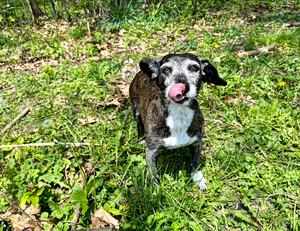
The verdict is in: Our family dog, Frances, is fat.
During a recent exam, the vet said people ought to continue to weigh about the same as they did in their early 20s, and dogs ought to weigh what they did when they were 1. Frances, it turns out, no longer fits into her college jeans.
My family was more than a little rabid over the news.
But we can see her ribs through her fur, we told the vet. (Take a look at the rest of her, the vet replied.) She looks great compared with other dogs, we said. (Yes, the vet said, but those other dogs are obese.) She exercises all the time, we insisted. (The vet said simply, “She should have a waist.”)
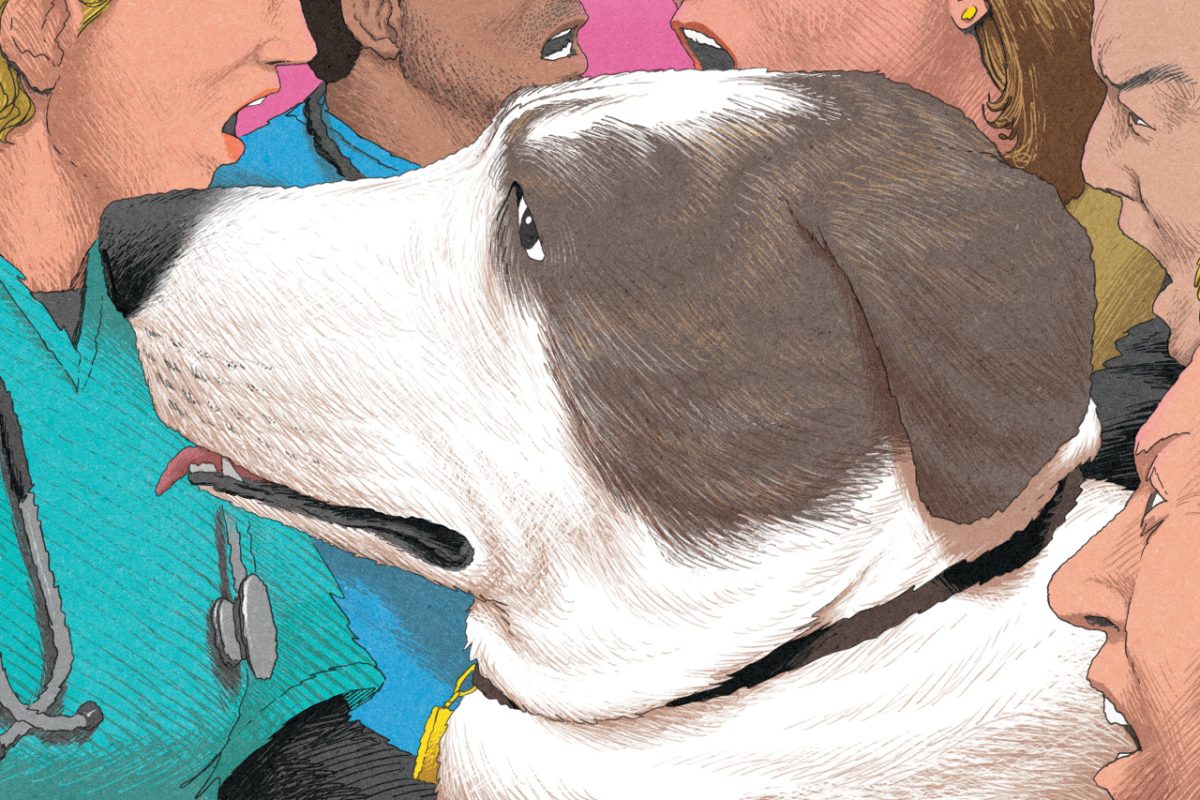
Tensions between veterinarians, staff and pet owners are running high. The cost of pet care has skyrocketed. Vet practices face labor shortages. Mom-and-pop clinics are disappearing as private-equity firms and large corporations buy up small practices.
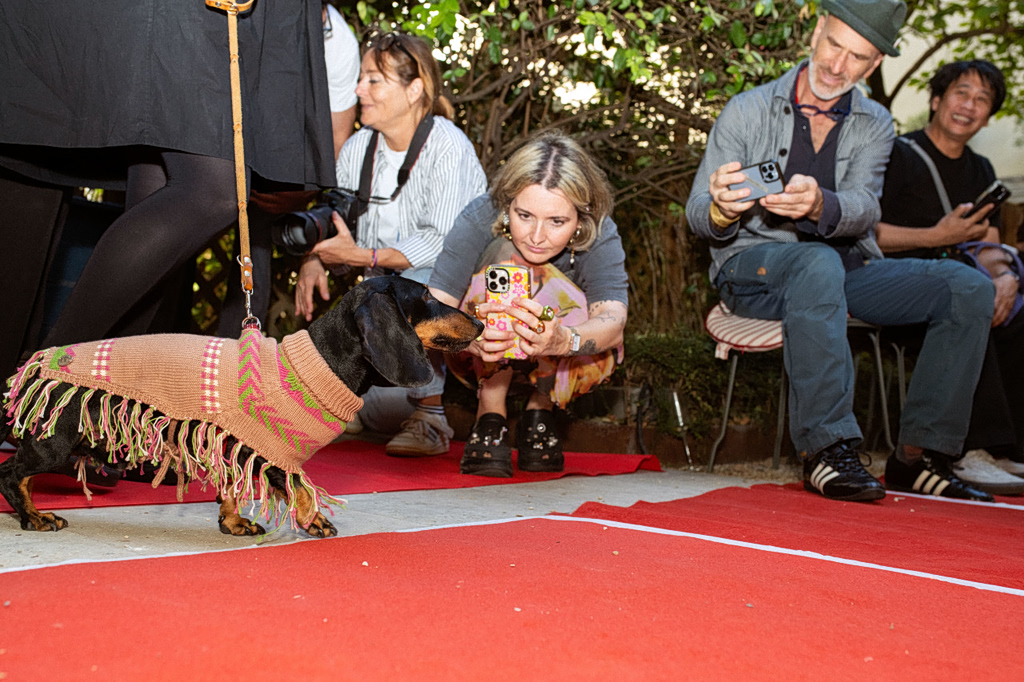
Of course there are plenty of healthy relationships, but many vets these days feel disrespected, like the public sees them as service workers rather than medical professionals—similar to waiters, but instead of appetizers they bring reports of arthritis and intestinal worms. And as pets become ever more elevated members of the family, rolling around town in bespoke strollers and open-rear onesies, owners have come to expect a higher level of service.
Some vets see pet owners with similar dread—people who are happy to spend absurd amounts on boutique doodles but then balk when it comes to paying for a basic office visit. It doesn’t help that certain pet owners are filming their vet visits, at times secretly, like it’s a gotcha video.
From start to finish, mistrust abounds. At these prices, it’s easy to see why.
When his cat Mango died last year, New York stand-up comedian Andrew Collin said his vet told him he could cremate Mango with other cats for a discount or get a single cremation that would be just Mango for $750, with a lock of fur and a paw print. Collin chose the personalized package.
He was touched when the vet cried with him over the passing of his marmalade cat. But lately, he finds himself looking at the urn and wondering, is that really Mango in there?
The death of pets is a psychological minefield for vet staff, too, especially when an animal that might easily be saved can’t get treatment because the client can’t afford it, said Peter Weinstein, a veterinarian from Irvine, Calif., describing such choices as a “moral injury” to veterinarians.
Staffers feel empathy for the owner and the pet, he said, but added: “In many cases it’s more for the pet than the people. That’s just the nature of people in the veterinary profession.”
For $395, vet offices can purchase the “Charming the Angry Client” package from Andy Roark, a South Carolina veterinarian and host of the “Cone of Shame” vet industry podcast. The angry-client package comes with 10 video vignettes that staff can use for role-playing exercises, instilling lessons about listening, validating and setting boundaries. Roark’s goldendoodle plays all the dog roles.
The dramatic re-enactments feature colorful back stories. In one, a Bernese Mountain Dog that likes to wear a mini cowboy hat gets an attack of diarrhea at office quitting time. “I know you close in 15 minutes—I can be there in 12 minutes,” his entitled owner says. “I thought you guys cared about pets.”
Animal owners retaliate with damning reviews of vet practices, fully naming the clinic but not themselves, sometimes over a perceived slight. On one suburban Chicago clinic’s Yelp page, a person accused the vet of calling her dog a “cry baby” and implying that her pet was “faking it” by over-dramatizing his own symptoms. “She insulted my dog,” the person wrote.
The arguments have migrated to social media. Last year, the Main Street Veterinary Clinic in LaFayette, Ga., posted a video with the caption, “Don’t bully our receptionists.” It simulates a pet owner getting stuffed into a garbage bag and tossed into a dumpster.
Sometimes, animal-care workers take it out on each other.
“The vet world is so mean,” Indiana veterinarian Kami Graber said on TikTok , describing heated reactions to an earlier video she’d posted about the difference in qualifications between vet technicians and vet assistants. “I mean you guys are, like, cruel.”
Maybe everybody should just heel. Consider how the other side feels.
Pet owners: You don’t need to know the definition of a “pocket poop,” but your vet does. (It’s when a dog relieves himself into the pocket of a lab coat or scrubs.) You may think “happy tail” sounds like a good time, but your vet isn’t fooled. (It’s a raw tail wound.) Do you know the clock-face position of a dog’s anal glands? Not 10 and 2. We’re not driving. It’s 8 and 4, and you can bet your vet knows that, too.
Vet workers: Have you checked the “I Can’t Believe I Had to Pay for This” thread on Reddit? There’s the case of the $900 fart (the bill, including tests and drugs, when it turned out a cat just needed to pass gas “really bad”). Also, a $75 invoice for the parrot who kept “choking” (it was only mimicking sick family members). And a $186 cast (after a dog noticed his loose toe pad and promptly…ate it).
Back in New York, when I tell people about the vet visit, the response is almost always the same. “Don’t listen to that vet,” they babytalk to Frances. “You’re perfect.” But they know, and we know, the vet is right.
Weight problems pose long-term health risks for pets. It’s why experts are researching GLP-1s for animals. If anyone needs training, it’s me. At dinner, I think of Frances’s bowl full of brown pebbles and I fold. Oops, I say to myself, I seem to have dropped my pizza crust on the floor. Again.
So, Frances is now on a diet. Thankfully, that means she’ll live forever.
And I dare any vet to tell me different.
Write to Ellen Gamerman at ellen.gamerman@wsj.com