 Μake us preferred on Google
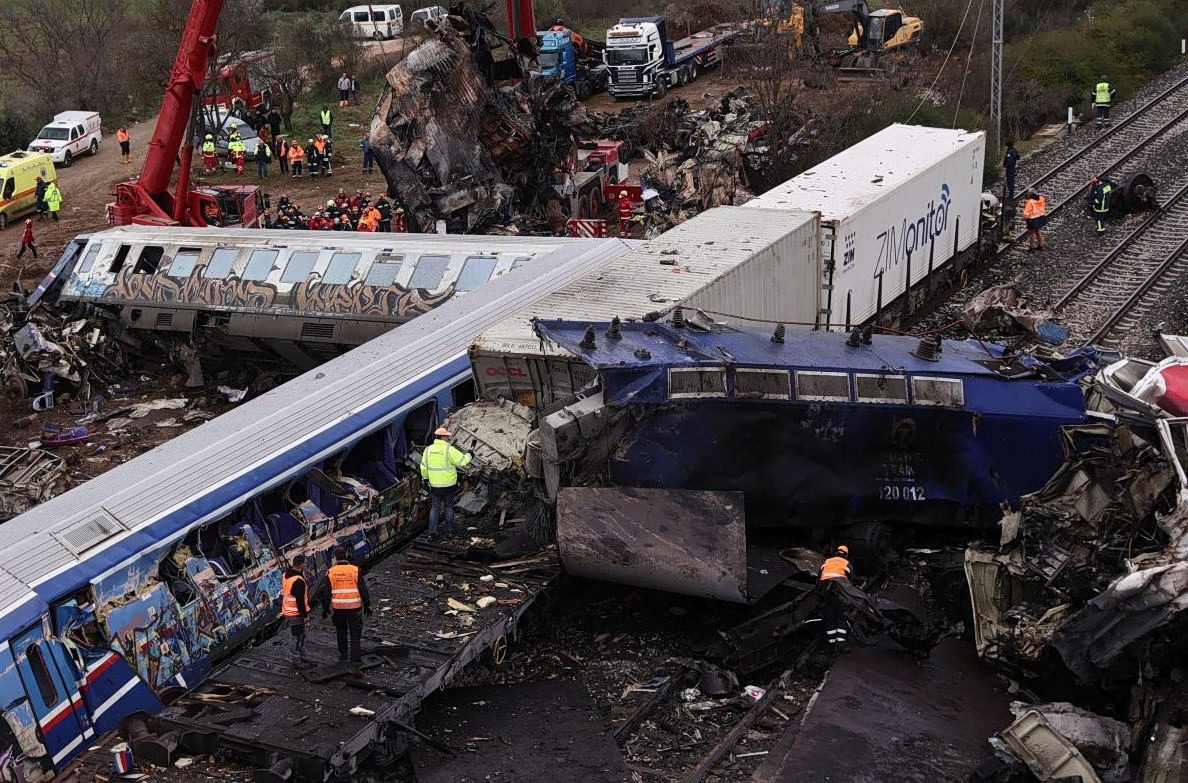
 A European Parliament delegation is in Greece this week to assess progress in railway safety and infrastructure following the 2023 Tempi train disaster, with the three-day fact-finding visit coinciding with the 32nd day of the criminal trial over the crash that killed 57 people.
The delegation of the European Parliament’s Petitions Committee, led by Vice Chair Dolors Montserrat, began its visit Monday in Larissa and will conclude Wednesday in Athens. Its focus includes railway safety measures, implementation of European legislation, EU-funded infrastructure projects and concerns raised by petitioners over the effectiveness of accountability mechanisms.
In Larissa, the delegation met representatives of the association of victims’ families and is due to visit the city’s railway traffic control center with representatives of the Hellenic Railways Organization (OSE). It will also meet representatives of Hellenic Train before holding meetings in Athens with transport ministry officials, the Regulatory Authority for Railways, railway unions and representatives of the National Organization for the Investigation of Railway and Aviation Accidents and Safety (EODASAAM).
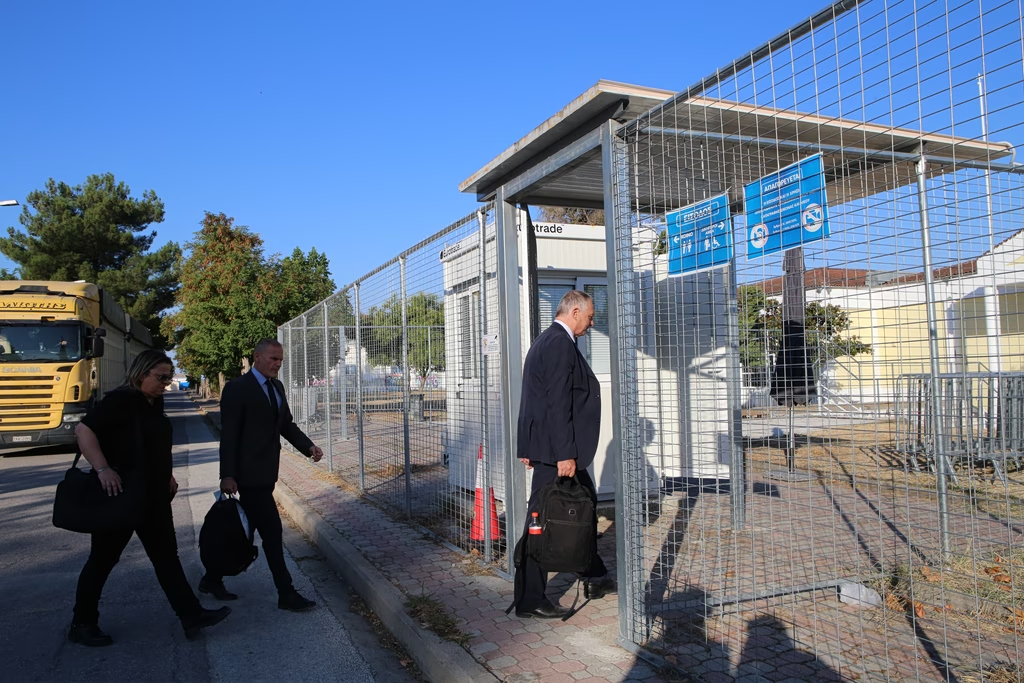
The European Parliament mission comes as proceedings continue before a three-member court of appeals for felonies in Larissa over the circumstances and responsibilities surrounding the Tempi disaster.
The court heard testimony Tuesday from Dimitrios Nalbantis, father of assistant train driver Nikolaos Nalbantis, and Panagiotis Verzamanis, the driver’s godfather. The family has asked the court to examine Nalbantis’ service mobile phone for possible unanswered calls made before the crash. The court president noted that confidentiality restrictions on the device had been lifted.

Verzamanis testified that Nalbantis had expressed concern about railway safety and had warned that a serious accident could occur. His testimony was followed by that of Maria Karystianou, mother of victim Martha Psaropoulou, whose appearance was among the most anticipated testimonies of the current phase of the trial.
The hearings have been marked by emotionally charged testimony from victims’ relatives, who have criticized aspects of the railway safety system and the handling of the disaster while calling for accountability. Their testimony has also kept attention focused on outstanding questions concerning the operation and effectiveness of railway safety systems.