 Μake us preferred on Google
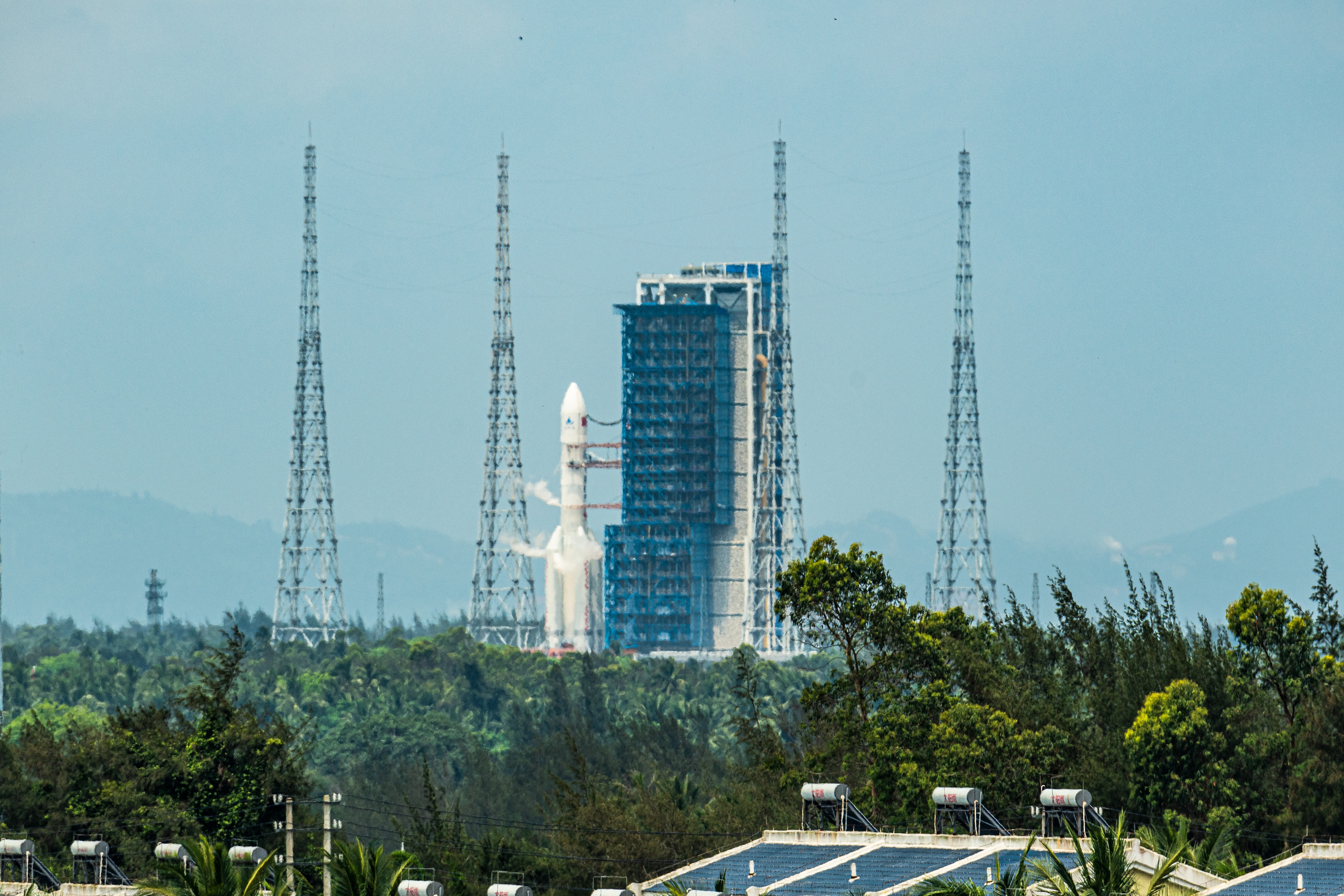
 China postponed the highly anticipated launch of its robotic Chang’e-7 mission, which is designed to search the moon’s south pole for water ice, a resource the United States is also interested in using. Chinese state media reported that the mission could not proceed within this year’s scheduled launch window, according to a statement from China’s Manned Space Engineering Office.
The spacecraft had been expected to lift off as early as Sunday evening or Monday morning Beijing time from Hainan province in southern China, though officials did not say how soon a new launch attempt might happen.
The exact cause of the delay was not officially detailed. State media said only that the probe failed to meet launch conditions and that the assessment followed principles of caution, reliability and mission success.
Other outlets pointed to weather as the likely culprit. Reports indicate that the development of Tropical Depression Narra in the Gulf of Tonkin prompted China’s space agency to push back the Chang’e-7 launch substantially, possibly into 2027. The storm, at times referred to as Typhoon Narra, appears to have closed the narrow launch window China needed, after the date had already slipped by one day. Wenchang’s coastal location leaves it exposed to South China Sea storms during a typhoon season that runs from June through October.
Some organizations tracking the mission suggest the delay may not stretch as far as widely feared. Thailand’s National Astronomical Research Institute, which built a scientific instrument riding aboard the spacecraft, said it received official word from China’s space administration that the launch has been pushed back by roughly a month, with a new date still to be set once officials recalculate the alignment needed between the sun, Earth and moon.
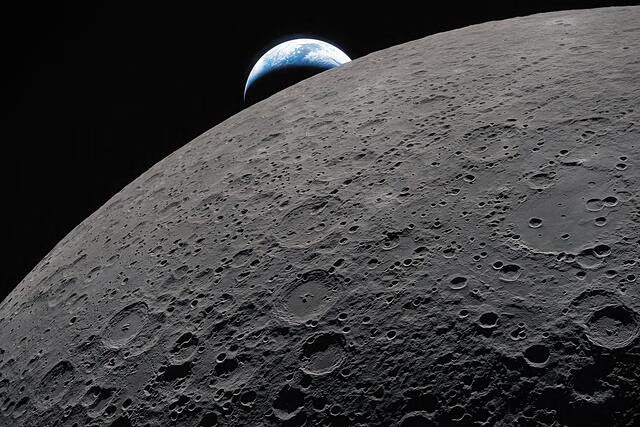
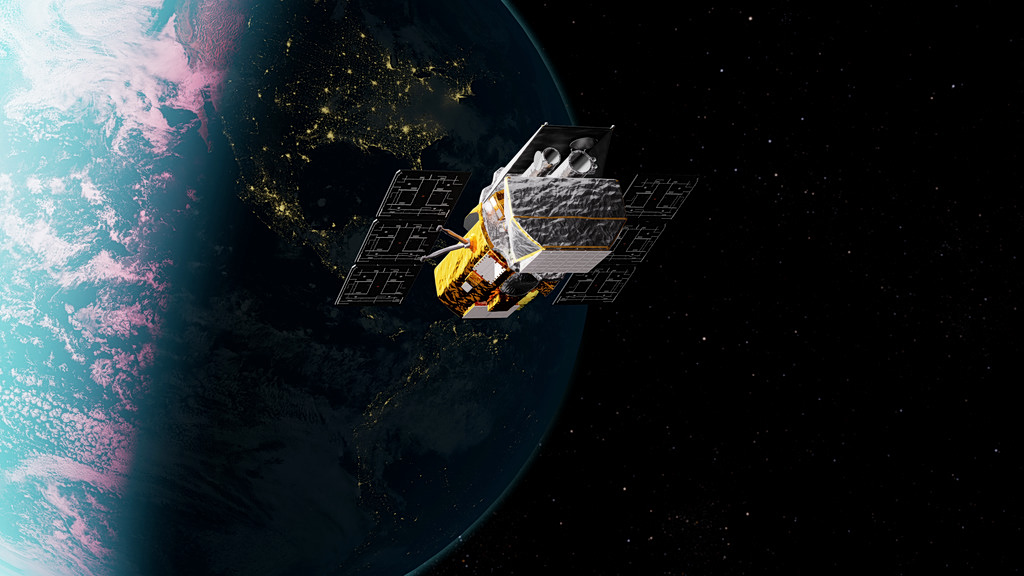
If successful, Chang’e-7 would be the first mission to directly investigate ice at the lunar south pole. The mission includes an orbiter, a lander, a rover and a hopping probe designed to examine permanently shadowed craters where scientists believe substantial water ice may be trapped. It also represents a key milestone toward China’s broader goals of landing astronauts on the moon by 2030 and building a joint lunar base with Russia near the south pole by the mid-2030s.