 Μake us preferred on Google
 Early vaccination and preventive screening are key tools in the fight against Human Papillomavirus (HPV), a virus linked not only to cervical cancer but also to cancers of the mouth, throat, larynx, head, neck, vagina, anus, vulva, and penis.
Speaking on March 4, World HPV Awareness Day, Professor Theodoros Agorastos, Chair of Obstetrics and Gynecology at Aristotle University of Thessaloniki and President of the Hellenic Society for HPV Research and Management, emphasized that vaccination combined with modern HPV testing provides unprecedented protection. “With vaccination, we can prevent around ten types of cancers,” he said, noting that HPV testing is more effective than the traditional Pap smear.
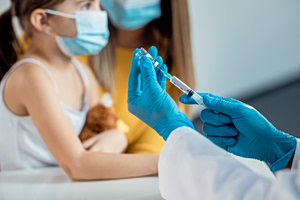
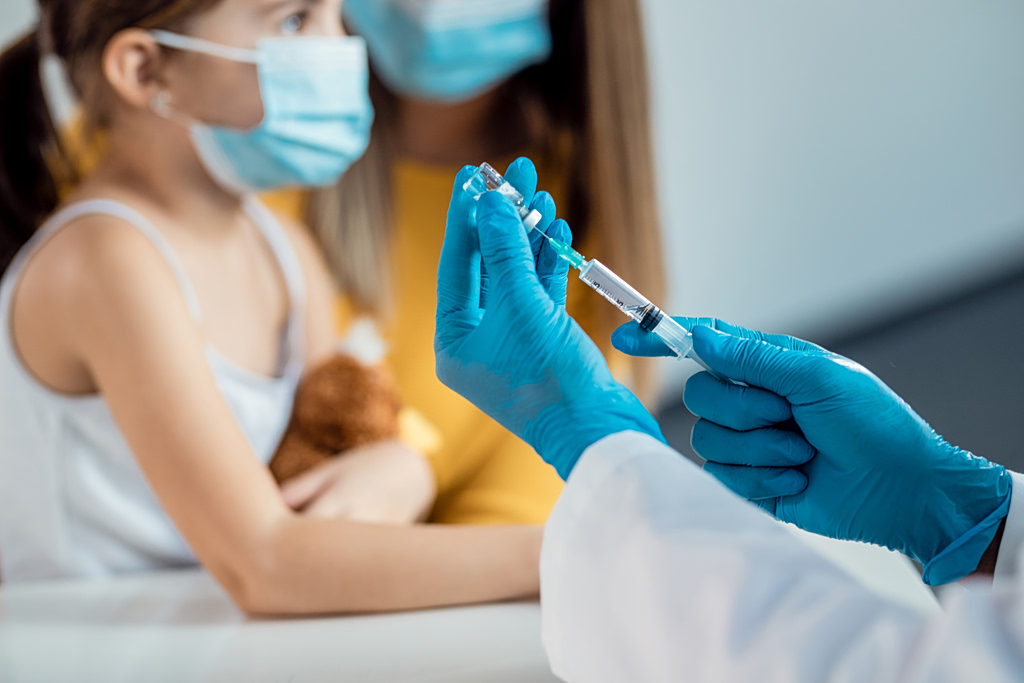
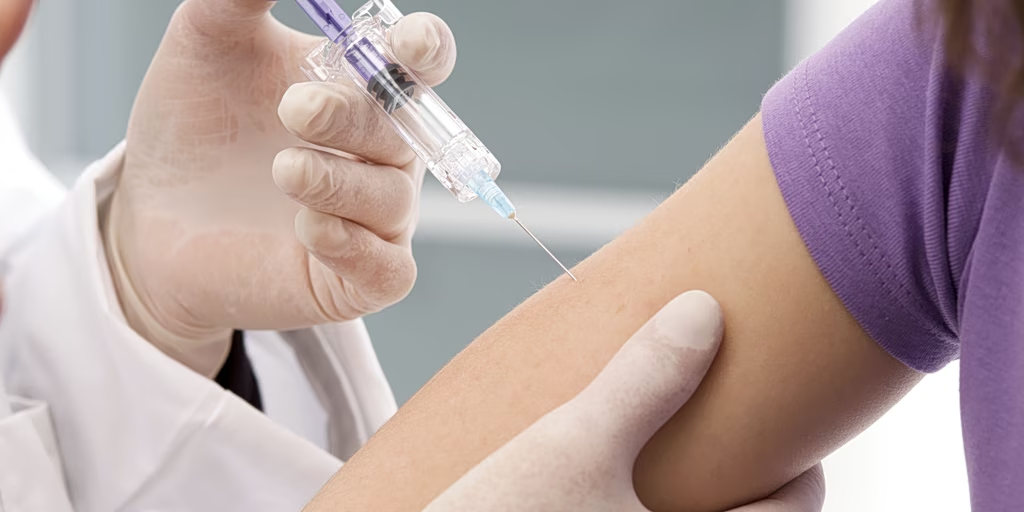
Vaccination is recommended from age 9, both to precede sexual activity and to trigger the strongest immune response. “A child vaccinated at 9–10 produces far more antibodies than an 18–25-year-old,” Agorastos explained. While public programs in Greece cover vaccination up to 18 years old, adults up to 45 can still benefit, though at personal cost. One dose is approximately €145, with two doses typically required six months apart.
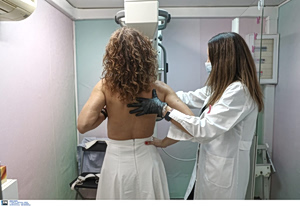
HPV screening through the HPV test is advised from ages 30 to 60–65. “Women vaccinated early may not need screening until 30, as the vaccine already provides strong protection,” he added. The HPV test detects the virus itself, rather than just cell changes, making it a more accurate preventive measure.
Agorastos also noted that in Europe, HPV vaccination is recommended from age 9 without an upper age limit, with countries like Sweden and Austria reimbursing up to age 30, and the United States recommending vaccination through age 45.