
 Μake us preferred on Google
 The investigation into a shocking double murder at a seaside campsite in southern Greece has taken a dramatic turn, as authorities now focus on digital evidence linking the victim’s nephew to the crime through searches made on artificial intelligence applications.
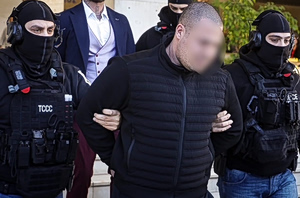
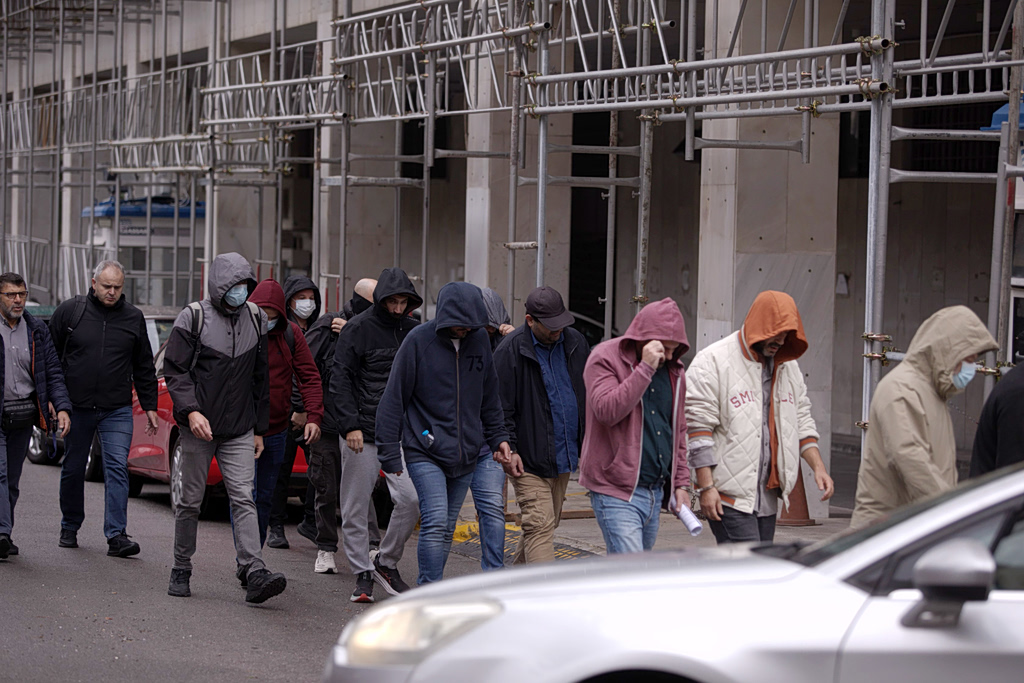
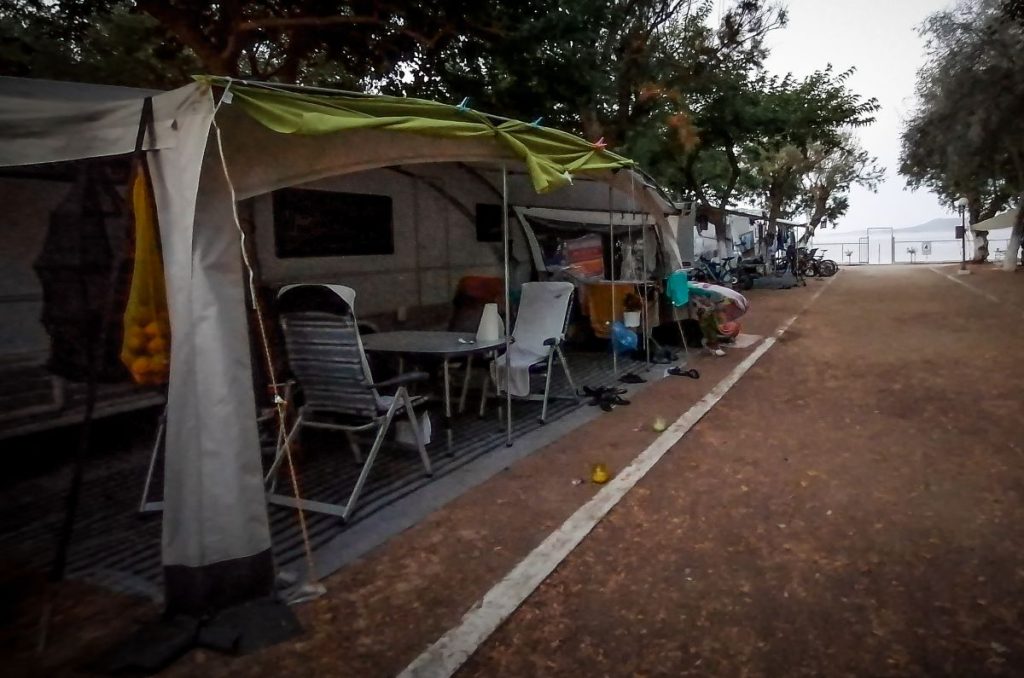
The case concerns the killing of a 68-year-old campsite owner and another man in the coastal area of Finikounta. The murders were initially attributed to two 22-year-olds, who were arrested and charged in connection with the crime. However, further analysis of digital data has prompted investigators to reassess the case and broaden the scope of their inquiry.
According to case files, investigators discovered suspicious searches on the cellphone of the victim’s 33-year-old nephew. The searches, conducted through AI-based applications, allegedly included questions about how to remove DNA traces, how to clean bloodstains from clothing and objects, and what mistakes most often lead to the arrest of perpetrators after serious crimes.
Authorities are now examining whether these searches were made before or after the killings and whether they point to an attempt to conceal evidence. The digital findings, combined with inconsistencies in the nephew’s statements, have raised serious concerns about his possible role in the crime.
At the same time, the two original suspects have been called back to provide additional testimony. Investigators are considering whether one of them may have played a more direct role in carrying out the killings. Despite mounting evidence, both continue to deny responsibility, claiming there was no intent for the incident to escalate into murder.
Investigators are also reviewing the nephew’s phone records, including calls made before and after the crime, some of which involved numbers outside Greece. These communications are being examined as a potential attempt to avoid detection.
Security camera footage, location data, and witness statements are also under review as authorities work to determine whether the killings were planned and who played the leading role.
The case highlights the growing importance of digital technology in criminal investigations, with data from smartphones and AI applications emerging as crucial evidence. Authorities say the inquiry remains open, and additional charges are possible as new evidence comes to light.