 Μake us preferred on Google
A Thessaloniki-based nonprofit organization allegedly collected 73,200 euros in donations for the treatment of a seriously ill boy but failed to transfer any of the money to his family, according to allegations in a major fraud case involving fundraising for sick children, which emerged with the initial complaint by the latter.
The boy, Christos, suffers from a serious neurological disorder that causes daily epileptic seizures. His family hoped to take him to St. Petersburg, Russia, for specialized treatment and turned to the organization after learning about its fundraising activities online.
His 61-year-old father said the organization asked him to provide photographs and videos of the child for social media appeals. After about a month, he was told that 42,000 euros had been raised. The fundraiser was subsequently discontinued, allegedly on the grounds that donations were coming in too slowly.
The father said he spent two years trying to recover the money, only to hear claims that the funds had been blocked by a bank or could not be released because of missing documents. He said he eventually learned that more than 73,000 euros had been collected in his son’s name.
“I did not receive a single euro from these tens of thousands. I sold everything I owned, even my house, to meet my child’s needs,” he said.
View this post on Instagram
Millions allegedly diverted
The NGO is believed to have collected approximately 3.9 million euros through bank deposits and collection boxes. Of that amount, only about 1.1 million euros reportedly went to 55 identified children, while the remaining 2.8 million euros was allegedly retained by those under investigation.
The suspected operation is believed to have begun in 2018 and centered on a 37-year-old man and his 35-year-old wife, alongside a close family circle. Authorities allege that donations were deposited into the organization’s accounts and the president’s personal accounts, then transferred elsewhere, withdrawn in cash or routed through companies.
The financial investigation reportedly identified spending on luxury goods, expensive accommodation, high-end restaurants and personal expenses inconsistent with declared income.
Parents of other seriously ill children have described similar experiences, alleging that their children’s photographs were used in online fundraising appeals without the promised financial assistance reaching their families.
Three other major investigations
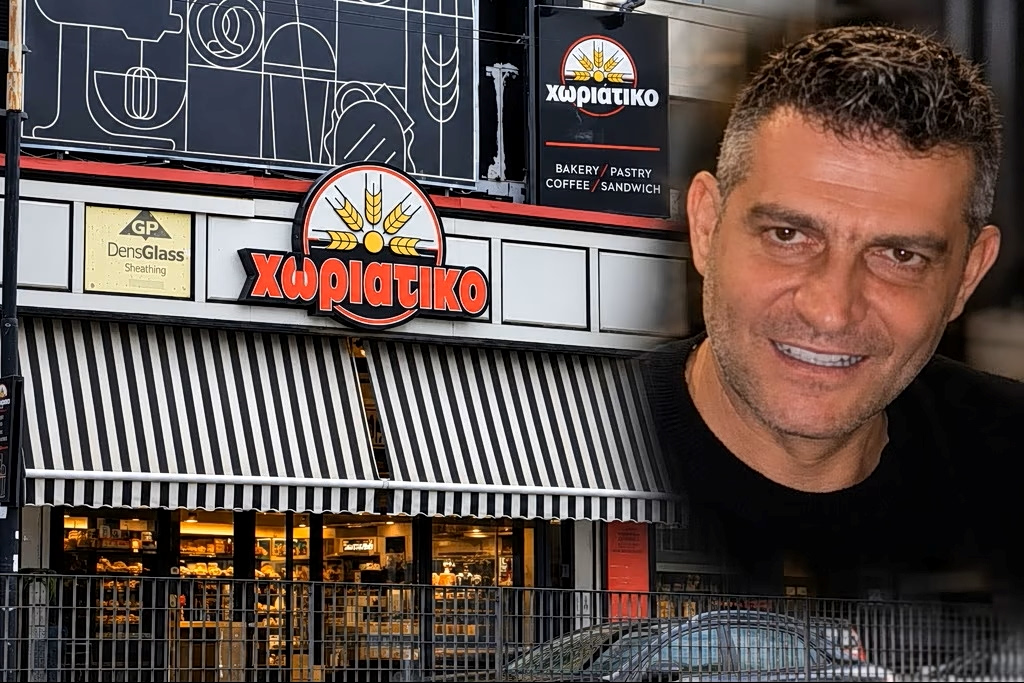
The case comes amid a series of high-profile investigations in Greece. Over the past month, law enforcement and judicial authorities have made dozens of arrests in separate probes involving To Horiatiko, Pizza Fan and alleged basketball match-fixing.
In the To Horiatiko case, authorities are examining suspected tax evasion and unpaid social security contributions involving hundreds of companies and alleged use of nominal business owners. Potential losses to the state have been estimated at more than 100 million euros.
The Pizza Fan investigation concerns an alleged scheme in which paid orders were recorded as complimentary meals to conceal sales and evade value-added tax. The alleged tax losses amount to tens of millions of euros. The chain’s owner has been remanded in pretrial detention, while the closure of its outlets has left approximately 2,500 employees facing uncertainty.
Meanwhile, the basketball investigation concerns suspected match-fixing and bribery involving referees and basketball officials. Authorities are examining alleged manipulation of games across competitions over several years. The president of the Hellenic Basketball Federation and other figures have faced judicial proceedings, with some defendants ordered held in pretrial detention.
The four cases involve separate allegations and investigations. All suspects are presumed innocent unless convicted by a court.