 Μake us preferred on Google
 Ioannina is a city that wins you over before you even begin to explore it. A lake that reflects the changing seasons, stone that shapes its architecture, memories of the peoples who once lived side by side and the modern momentum of a city steadily turning toward conference tourism come together to create a destination with a distinctive identity.
A press trip organized by the Municipality of Ioannina became an immersive journey through the culture, landscapes and people who carry the history of this corner of northwestern Greece.
A City Looking Outward
The journey began at City Hall, where Ioannina Mayor Thomas Begas and Deputy Mayor for Tourism Christos Tatsis presented a clear vision: to transform Ioannina Airport into a major gateway for conference attendees and travelers from across Europe.
Growing demand from Germany — home to a significant community of people from Ioannina living abroad — combined with efforts to secure direct flights suggests the city is methodically and systematically expanding its reach.
Keeping a Multicultural Heritage Alive
The first encounter with the city’s past came at the Kehila Kedosha Yashan Synagogue, where Alegra Matsa spoke about the history of the Romaniote Jews, members of one of Europe’s oldest Jewish communities. There, amid echoes of centuries past, it became clear just how deeply multiculturalism is rooted in Ioannina.
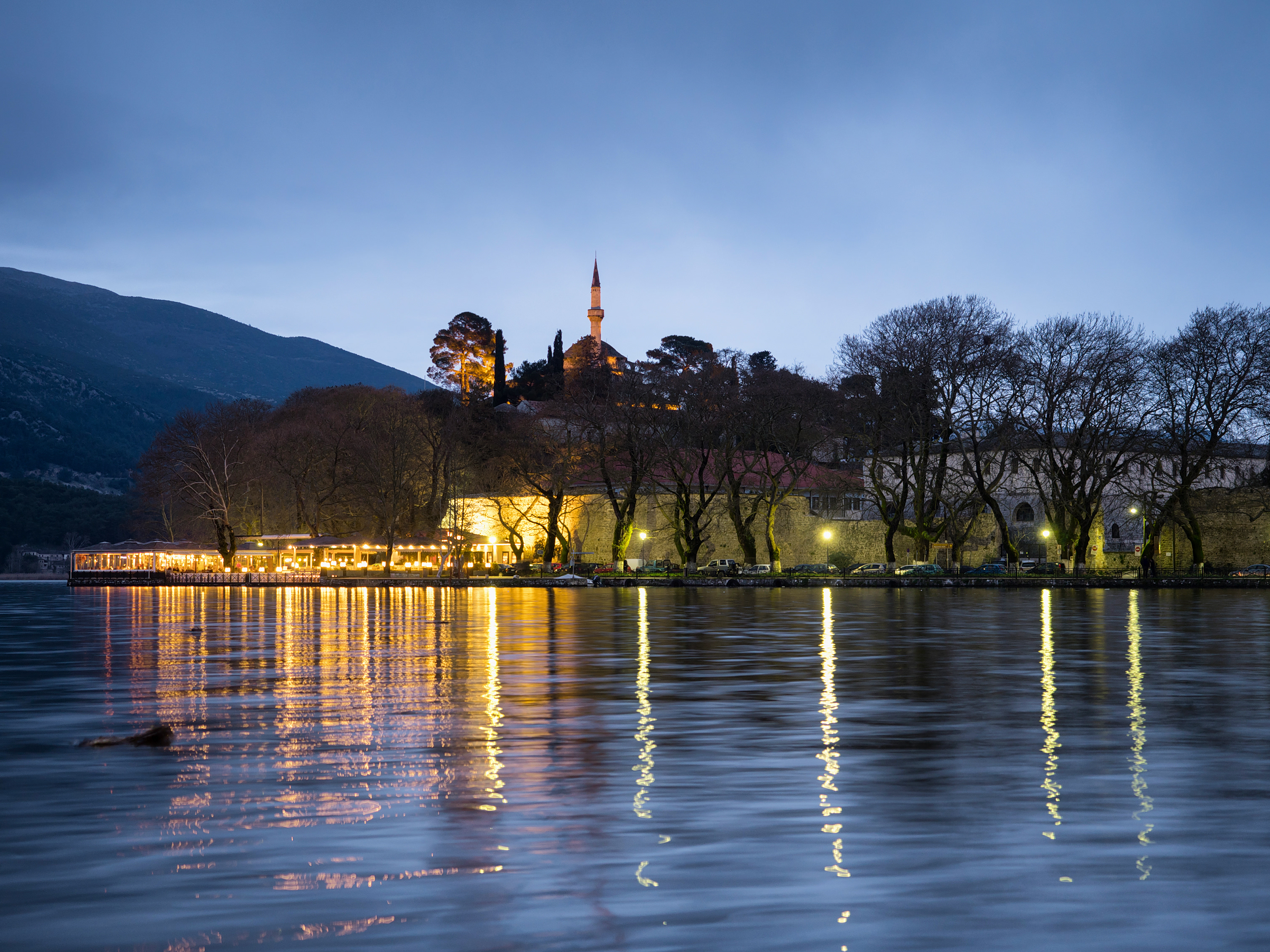
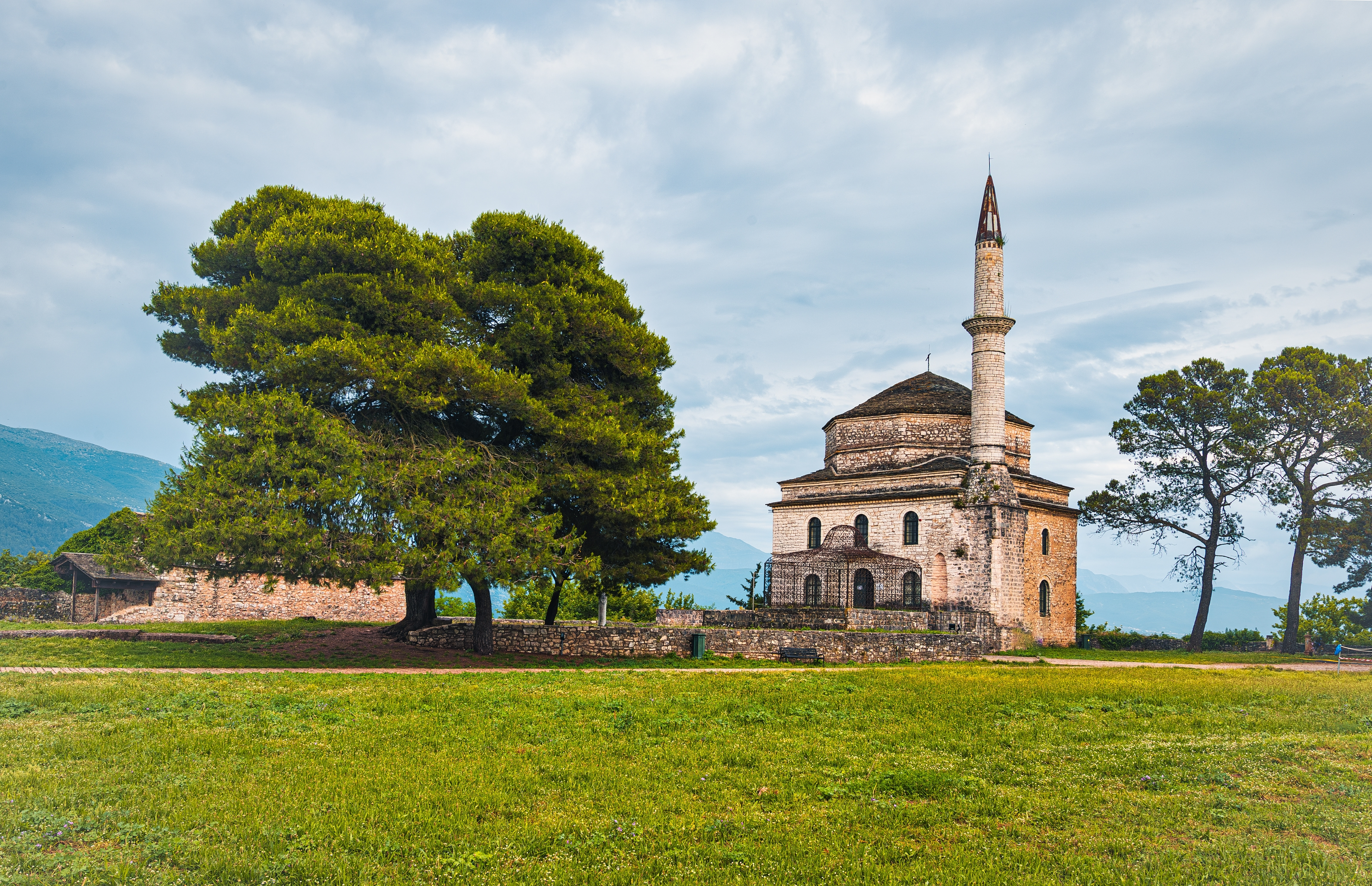
A short while later, at Its Kale, the inner citadel of Ioannina Castle, standing before the mosque and the tomb of Ali Pasha, there was a sense that every era had left an indelible mark on the fortress. History here is presented as a living narrative that accompanies visitors at every step.
The Art of Epirus in the Spotlight
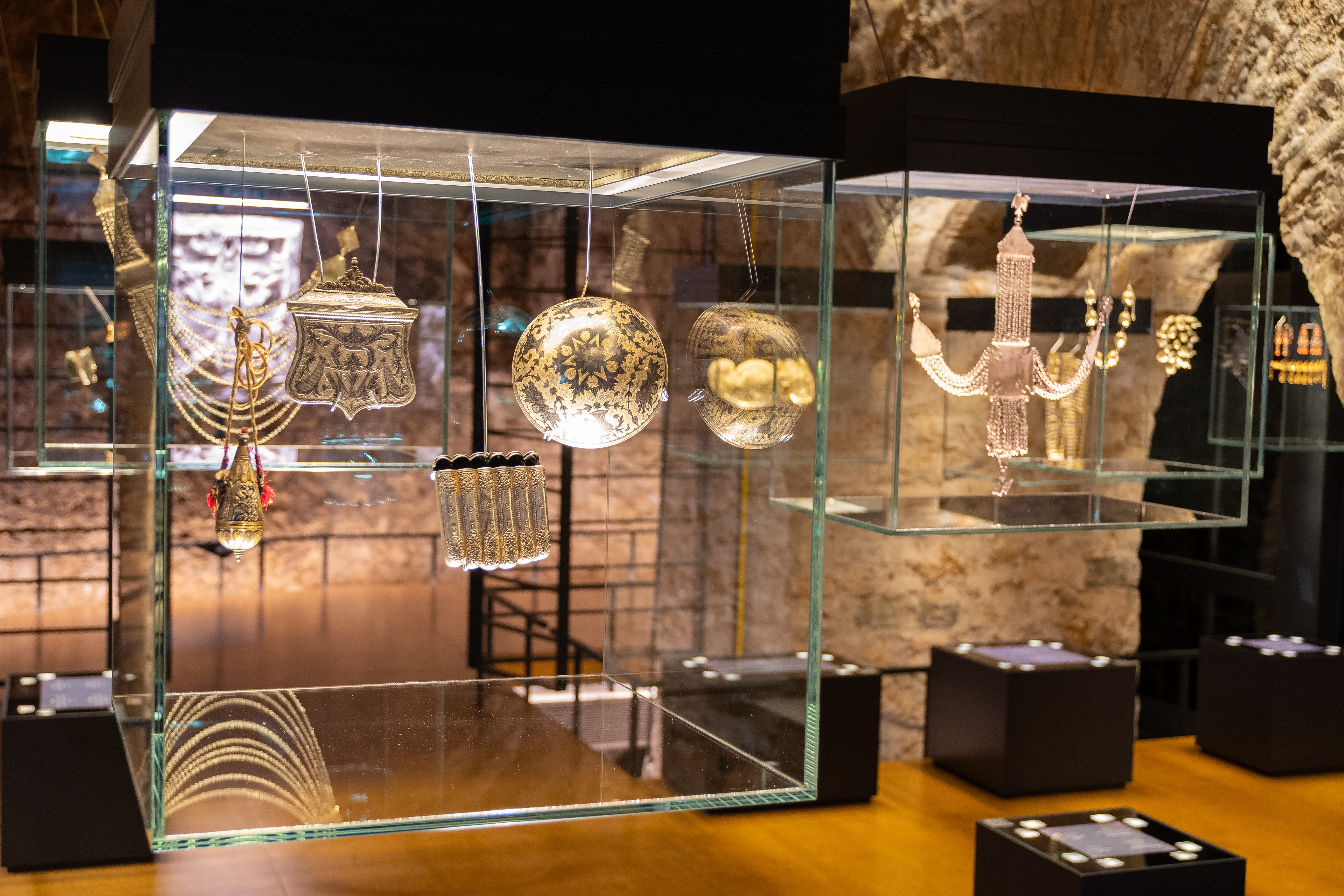
At the Silversmithing Museum of the Piraeus Bank Group Cultural Foundation, Kalliroi Fotiou guided us through a world in which silver comes to life through craftsmanship and respect for tradition.
The art of silversmithing in Epirus, the mountainous region of northwestern Greece of which Ioannina is the capital, remains a vibrant part of local creativity.
Flavors That Tell Stories
The cuisine of Epirus was showcased in all its richness at Thamon restaurant. Dishes inspired by tradition but prepared with a contemporary approach highlighted the culinary side of the city.
One moment stood out: a traditional Ioannina pie baked over an open fire in a gastra, a covered cooking vessel traditionally used for baking, evoking memories of family meals.
Music Bridging East and West
The celebration that followed, accompanied by a traditional Epirote ensemble, showcased Ioannina’s urban musical tradition and its Eastern melodies, in which the clarinet does not always take center stage.
Ali Pasha, the Ottoman ruler who governed Ioannina in the late 18th and early 19th centuries, invited musicians from Constantinople to the city, helping shape a distinctive sound that reflects its multicultural character.
Tradition Woven on the Loom
At the Mekeio Boarding House, we met women who are keeping the art of weaving alive.
Here, tradition is part of everyday life — tangible, personal and deeply human.
A Place of Service and Tranquility
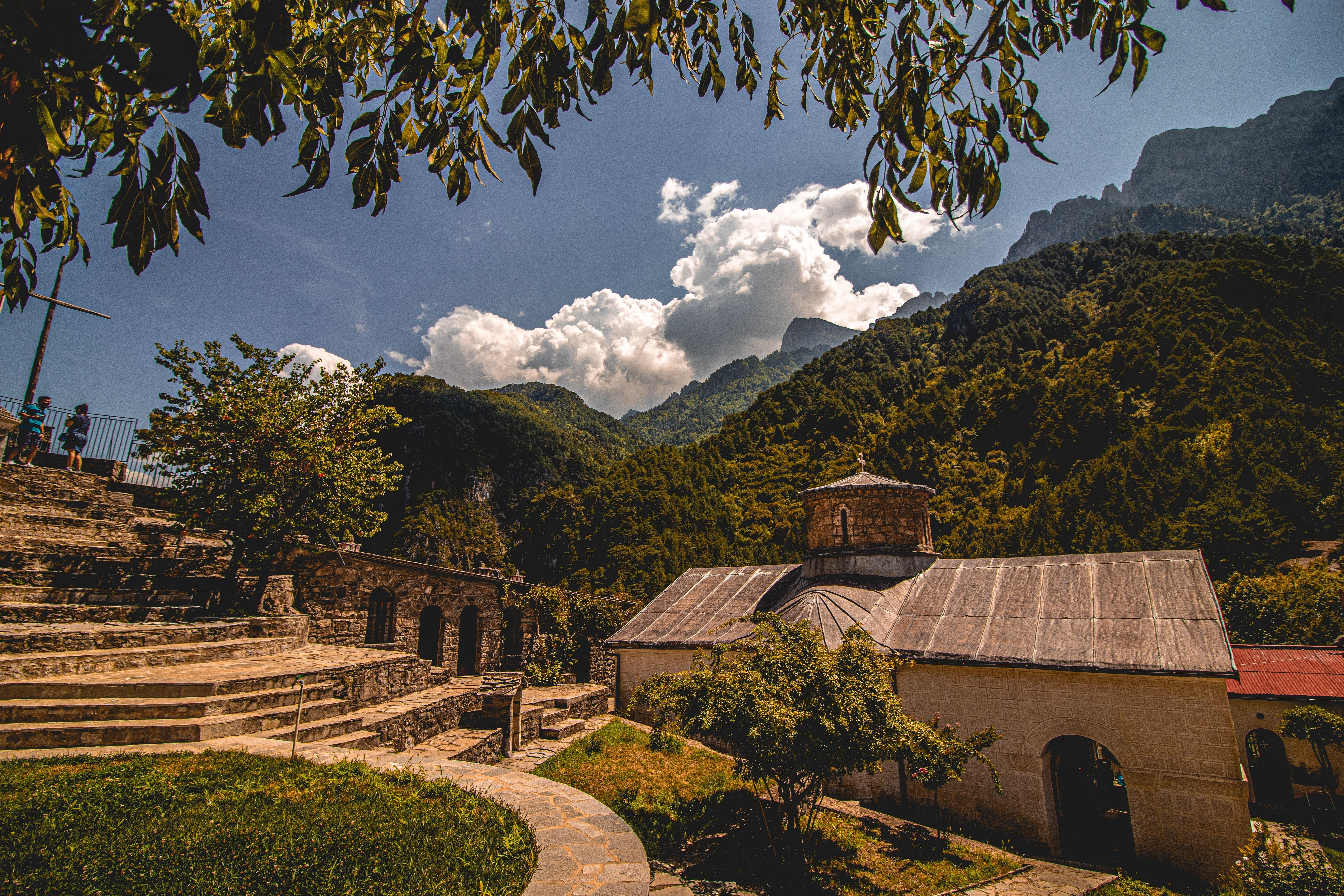
Just outside the city, the Dourachani Monastery welcomed us with a sense of tranquility.
Its care facilities and the people who have dedicated their lives to helping others have created a place where history and social purpose come together.
Lake Pamvotida: The City’s Story Written in Water
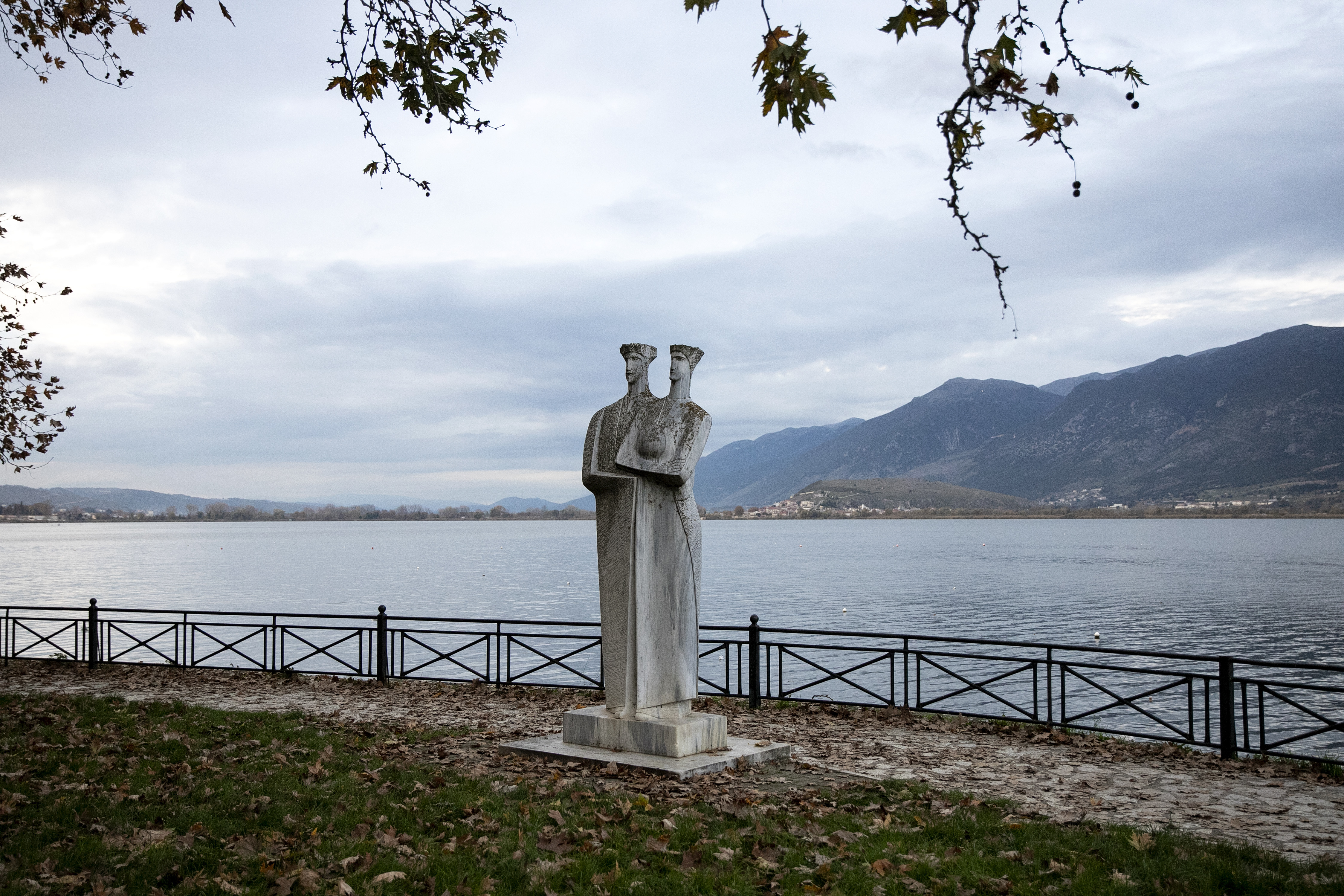
The boat ride across Lake Pamvotida to the small inhabited island known simply as “the Island” felt almost like a ritual.
At the Ali Pasha Museum, with its seraglio, or Ottoman palace, and the stories surrounding it, Ioannina’s multilayered history came vividly to life, almost cinematically.
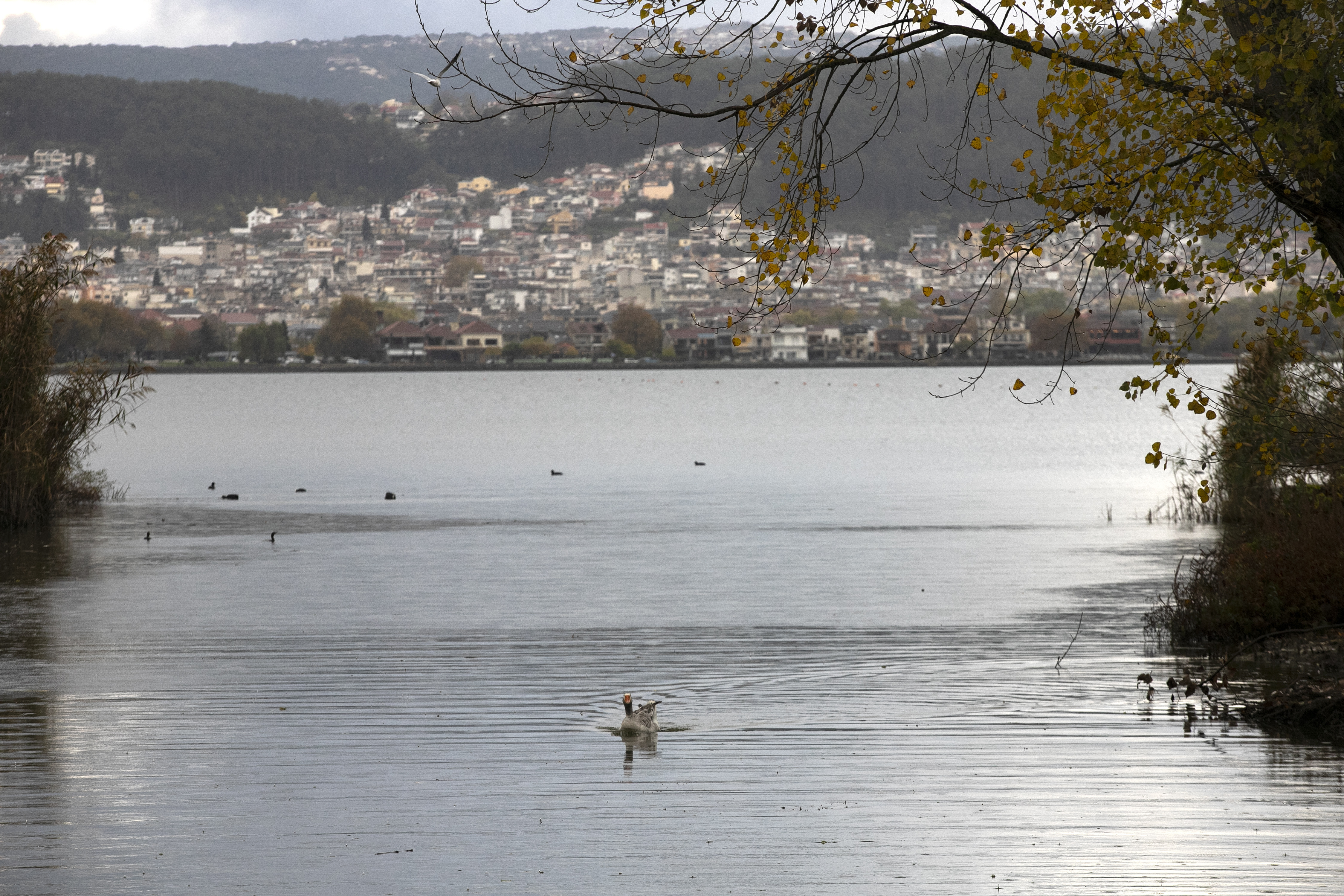
Snapshots from Ioannina, Greece, on Nov. 25, 2021
The cobblestone lanes, stone houses and aromas drifting from baklava workshops brought the journey to a close with a lingering sweetness.
And When the Journey Ends…
Leaving Ioannina, what stays with you is not only the imagery, but the rhythm of the city itself.
It is a place steadily evolving, where nature and culture coexist and where a future increasingly shaped by the growth of conference tourism is being built without diminishing the value of the past.