The tragic deaths of four mountaineers in Greece’s Vardousia mountains have been confirmed to have resulted from asphyxiation, according to forensic examination.
The autopsy revealed that the climbers did not sustain any physical injuries. They were swept away by an avalanche and became trapped in the snow, leading to their untimely deaths. Authorities continue to investigate the circumstances surrounding the avalanche, which claimed the lives of the climbers at a dangerous section of the Vardousia range.
Earlier in the day, authorities and mountain safety experts were examining whether the four climbers killed in the Vardousia Mountains unintentionally triggered the avalanche that swept them to their deaths, in what is now considered one of the most likely scenarios behind the tragedy.
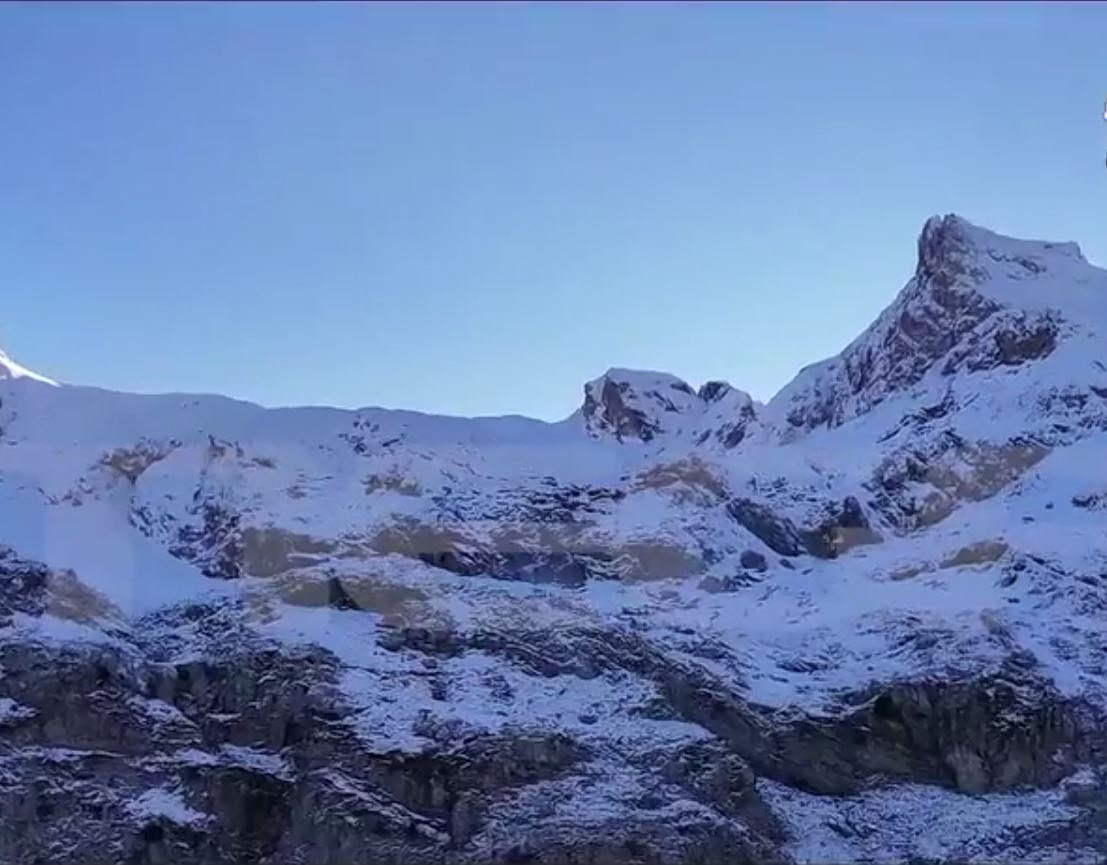
The incident occurred during an ascent of Mount Korakas, a peak rising to nearly 2,500 meters in central Greece. According to local officials, weather conditions on the day of the climb were unusually favorable, which encouraged the group to attempt the summit. However, at an altitude of around 2,200 meters—on a particularly exposed and dangerous section of the route—a massive avalanche broke loose.
Specialists point to highly unstable snow layers as a key factor. Fresh snowfall had accumulated on top of an older, frozen surface without properly bonding, creating ideal conditions for an avalanche. Under such circumstances, even minor disturbances—such as footsteps or strong echoes—can be enough to set large volumes of snow in motion.
Local authorities also stressed that the climbers appear to have chosen one of the most hazardous routes to the summit, despite the existence of safer alternatives. The specific path they followed is known for its steep terrain and higher avalanche risk, especially under unstable snow conditions.