 Μake us preferred on Google
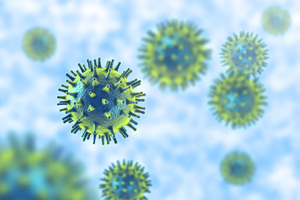
Greece is experiencing an unusually early start to the flu season, with influenza activity rising sharply from mid-October and the proportion of positive tests in the community exceeding 10%, reaching the epidemic threshold.
The early spread has put health authorities on alert and strengthened calls for timely vaccination, particularly among older adults and people at increased risk of severe illness.
According to the latest report from Greece’s National Public Health Organization (EODY), one person died from flu complications during the past week, while three confirmed cases required treatment in intensive care units.
The early start is not limited to Greece. Cases have been recorded in the United States and England since September, with numbers gradually increasing. However, the European Centre for Disease Prevention and Control (ECDC) has not reported a comparable widespread rise in flu activity across other European countries so far.
Vaccination urged ahead of peak season
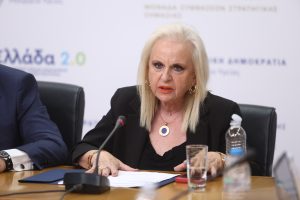
The flu season has begun roughly two weeks earlier than last year, potentially in connection with the sharp drop in temperatures, according to Nikos Tzanakis, professor emeritus of pulmonology at the University of Crete’s Medical School.
Speaking to TA NEA, Tzanakis said seasonal flu activity usually begins toward the end of October, whereas this year’s increase has appeared about 10 days earlier. So far, however, the rise has not been accompanied by a comparable increase in hospitalizations, he said.
Tzanakis urged people to arrange their flu vaccinations in the coming weeks, aiming to complete the process by mid-November.
“Traditionally, the difficult period is from mid-November to the end of March,” he said, emphasizing the importance of protection before the virus circulates more widely.
It takes approximately two weeks after a flu vaccination for the body to develop antibodies and establish adequate protection. The vaccine therefore does not provide immediate immunity, making early vaccination particularly important for people at greater risk of complications.
Pediatrician highlights priority groups
Konstantinos Daloukas, a pediatrician and president of the Panhellenic Federation of Freelance Pediatricians, also called for vaccination without delay in a public post.
He recommended prioritizing children and adults at increased risk, as well as all healthy children between 6 months and 5 years old.
For children ages 2 to 18, a nasal-spray flu vaccine is also available. Daloukas noted that the nasal vaccine has contraindications in certain cases, making medical guidance important when determining whether it is suitable.
For adults over 65, he recommended the enhanced flu vaccine.
Greece to receive 3.64 million vaccine doses
A total of 3.64 million doses of flu vaccine are expected to be imported into Greece for the current season, up from 3.5 million during the previous season.
The ECDC has set a European target of vaccinating at least 75% of older adults against influenza. The goal is to protect the group most vulnerable to severe illness while helping reduce pressure on health care systems.
However, during the 2024-2025 season, median flu vaccination coverage across European Union and European Economic Area countries stood at just 47%, well below the target.