 Μake us preferred on Google
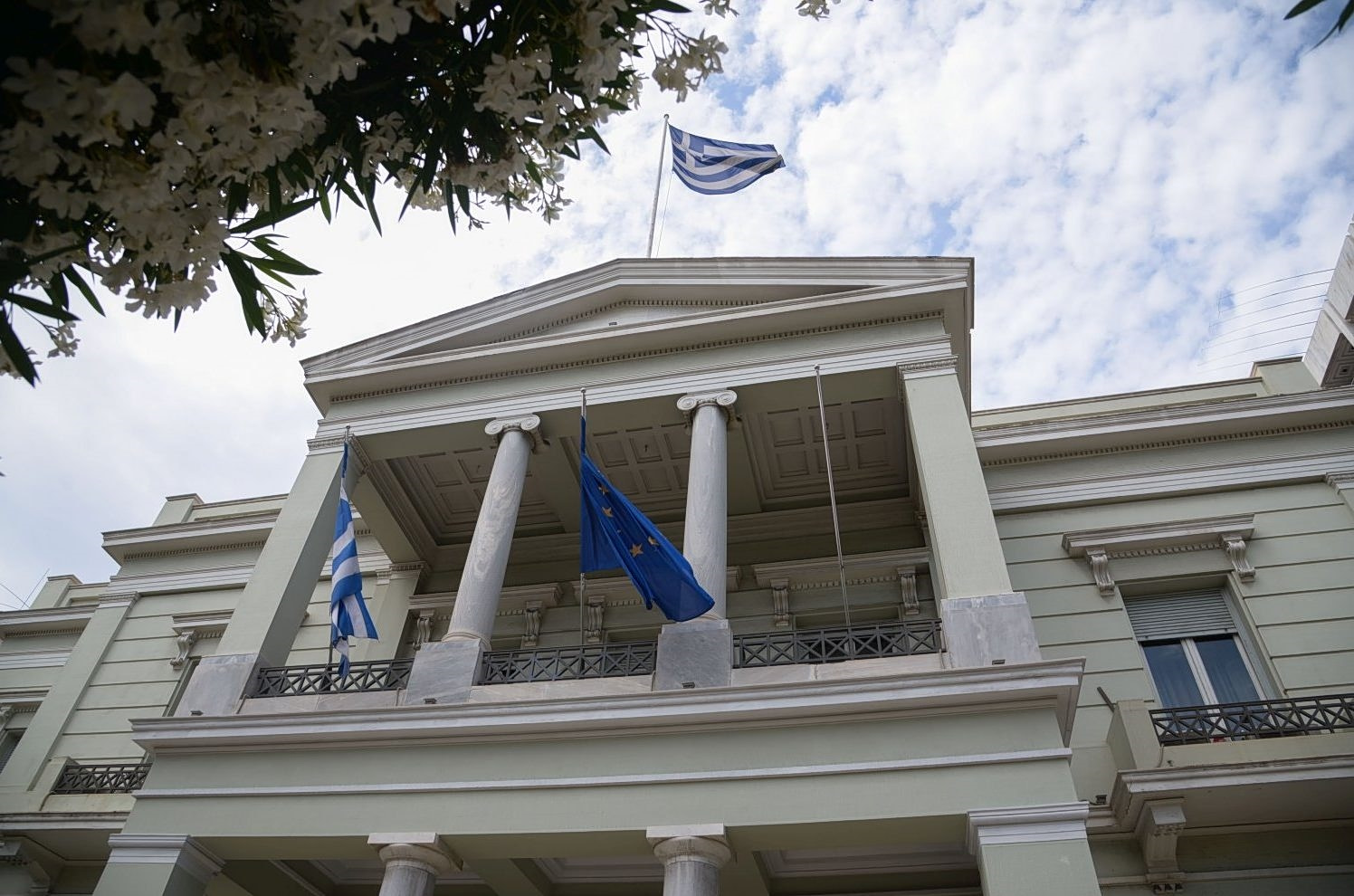
The foreign ministry said the parliamentary decision did not alter the memorandum’s “illegal, invalid and null” character, arguing that it contravenes the UN Convention on the Law of the Sea (UNCLOS) and disregards the maritime rights of Greece and other countries in the region.
“Geography and the international law of the sea cannot be changed by unilateral, legally unfounded parliamentary decisions,” the ministry announced.
Athens added that it had already informed its partners and allies of the development and would take all appropriate measures to safeguard its sovereign rights.
In its statement, the foreign ministry said Turkey and Libya do not have opposite or adjacent coastlines that could provide a legal basis for the proposed delimitation of maritime zones. It also argued that the memorandum disregarded Greek islands and their entitlement to maritime zones under UNCLOS and customary international law.
Greece called on the Libyan side to refrain from any action contrary to international law that could undermine stability in the eastern Mediterranean.
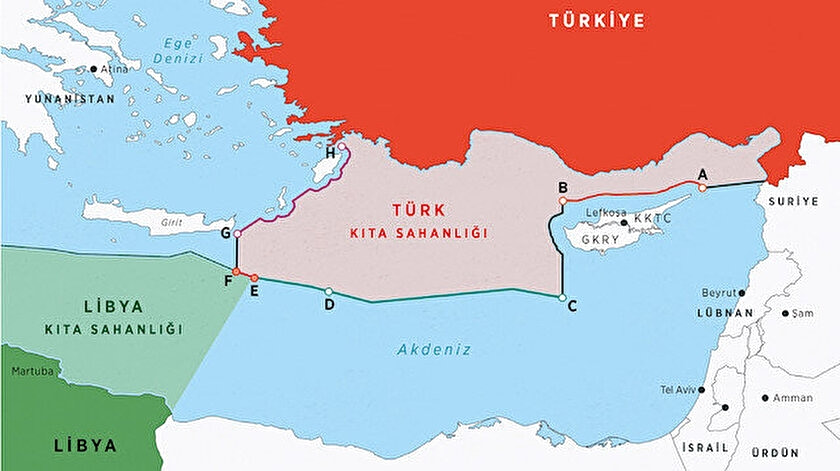
A map shows the 2019Turkey-Libya maritime agreement that Athens and the EU Council have declared illegal and void.
EU and Egypt Also Reject the Memorandum
The dispute over the 2019 memorandum extends beyond Greece and Turkey, as the European Union has also challenged the agreement’s legality, with the European Council reaffirming in June 2025 that it infringes on the sovereign rights of third countries, does not comply with the international law of the sea and cannot produce legal consequences for them.
Egypt has likewise rejected the agreement, which Cairo views as incompatible with its maritime interests in the eastern Mediterranean.
Greece and Egypt signed an agreement partially delimiting their exclusive economic zones (EEZs) in August 2020, establishing a bilateral framework that Athens regards as consistent with international maritime law and at odds with the maritime claims advanced under the Turkey-Libya memorandum.
The Greece-Egypt agreement, together with Greece’s EEZ agreement with Italy in June 2020, forms part of Athens’ broader strategy of delimiting maritime zones through bilateral agreements based on international law.
A reversal in eastern Libya
The decision by strife-plagued Libya’s eastern-based House of Representatives marks a reversal of its previous position.
In 2020, the same legislative body rejected ratification of the maritime and security memorandums signed between Turkey and the Tripoli-based Government of National Accord (GNA), and instead adopted a separate resolution calling for political relations with Ankara to be severed.
The latest vote, held unanimously on Tuesday, also repealed those two resolutions, signaling a significant shift in eastern Libya’s political approach to Ankara.
Libya remains divided between rival eastern and western administrations, with Turkey having previously been a major supporter of the internationally recognized government in Tripoli.
The approval comes as Ankara has expanded its contacts with eastern Libyan authorities and the camp led by military commander Khalifa Haftar. The development presents a diplomatic challenge for Athens, which has sought to maintain communication with both sides of Libya’s political divide while pursuing negotiations on maritime delimitation.

Libyan strongman and military commander Khalifa Haftar.
In August, To Vima reported that Greece had continued technical discussions with the Tripoli authorities on delimiting maritime zones while maintaining communication channels with Benghazi, the seat of power for the east Libya authorities. The Greek side has also sought to prevent the memorandum from being treated as the basis for future maritime arrangements and to advance negotiations under international law.
The wider dispute over maritime claims
The memorandum, signed in November 2019 by Turkey and the Tripoli-based GNA, establishes a claimed maritime boundary between the two countries across the eastern Mediterranean.
Greece argues that the arrangement disregards Crete and other Greek islands and their entitlement to maritime zones under UNCLOS and customary international law.
Turkey has neither signed nor ratified UNCLOS and disputes certain aspects and provisions of its application, particularly the maritime entitlements of islands in areas where it advances competing claims. Athens maintains that islands generate maritime zones under international law, including rights to a continental shelf and an exclusive economic zone, subject to the applicable rules of delimitation.
The disagreement is part of the broader contest over competing maritime maps and jurisdictional claims in the eastern Mediterranean. Turkey’s revisionist “Blue Homeland” doctrine, known in Turkish as “Mavi Vatan”, provides a strategic framework for Ankara’s maritime ambitions. Athens rejects the doctrine’s expansionist interpretations where they conflict with Greek sovereign rights and international law.
The foreign ministry’s statement concluded that Greece had already informed its partners and allies of the development and would take all appropriate measures to safeguard its sovereign rights, while calling on Libya to refrain from actions that undermine international law and stability in the eastern Mediterranean.
Η.Τ.