
 Μake us preferred on Google
 The sudden death of one of Greece’s most recognizable pop performers earlier this month set off a storm of scrutiny of private medicine, so-called rejuvenation treatments and the regulatory “gray areas” surrounding the east Mediterranean country’s seemingly booming wellness industry
For more than three decades, Giorgos Mazonakis was an integral part of contemporary Greece’s “soundtrack”, emerging as a “marquee name” in the spacious music nightclubs and venues in the mid 1990s and as a mainstay performer in the 21st century, replete with stints as a celebrity judge on television talent shows.
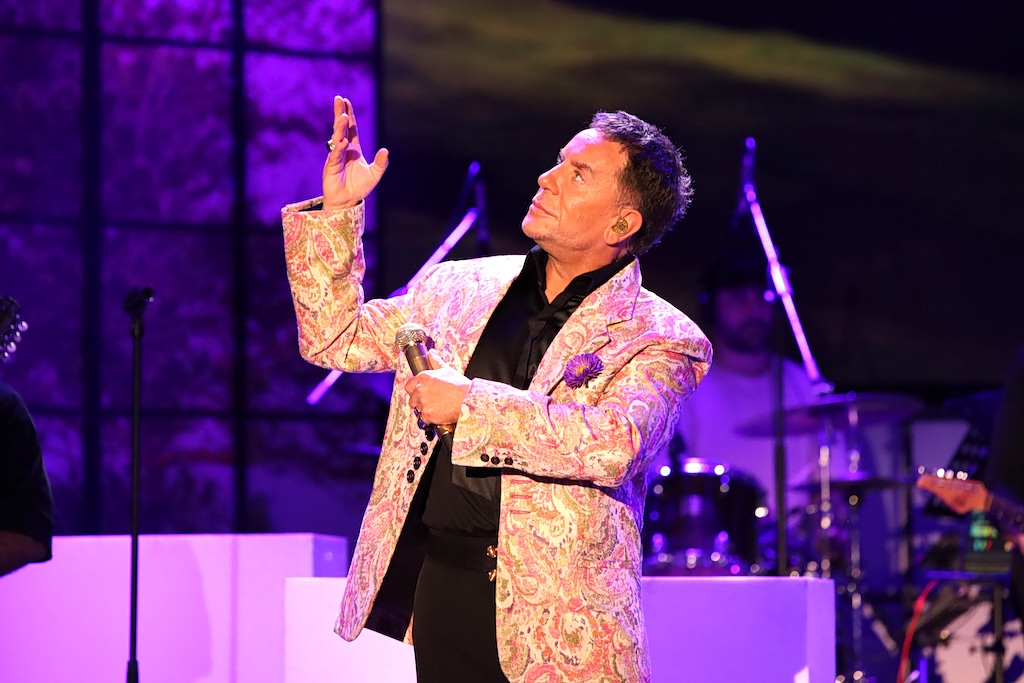
He was a singer and performer who moved easily between laïko – domestic popular music rooted in traditional folk and urban song – pop and dance music; between the nightclub stage, concert arena and television, and between the conventions of Greek popular music and a flamboyant on-screen persona. He built a career around hits that became familiar far beyond the venues in which he performed, while his distinctive appearance and stage persona made him one of the country’s most recognizable entertainers.
His death at 54, therefore, took on dimensions of more than just the sudden loss of a major Greek recording artist.
The circumstances surrounding his collapse – and subsequent death – launched a criminal investigation into the private medical practice where he was being treated and raised broader questions about the apparently mushrooming sector for rejuvenation, longevity and wellness medicine in Greece.
Mazonakis died on Sept. 9 after suffering cardiac arrest at a private medical practice in the upscale Kolonaki district of downtown Athens. He had gone there for plasmapheresis, a procedure involving the removal and treatment or exchange of blood plasma. It was there that he suffered a medical emergency, with first responders called and a subsequent transfer by ambulance to the public Elpis hospital only a few kilometers away, where his death was confirmed.
What happened in the clinic in the critical period before emergency assistance was summoned has become a central element of the investigation and continuing media and public opinion scrutiny. Authorities are examining the procedure itself, the medication and equipment used, the actions of medical personnel and the circumstances in which the practice was operating.
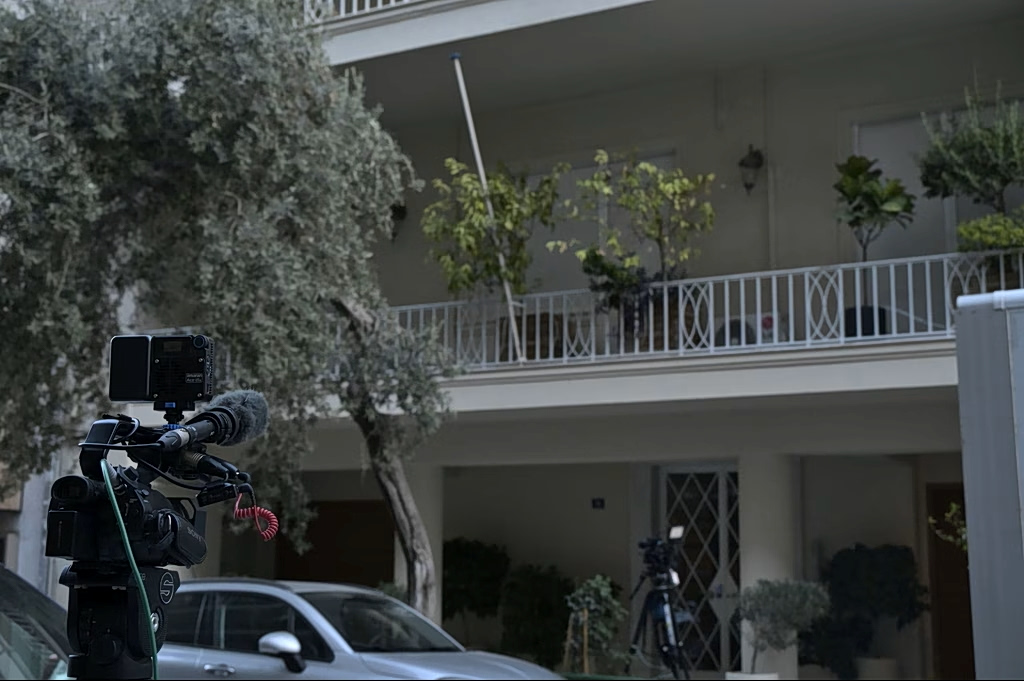
The building housing the Kolonaki-area clinic where performer Giorgos Mazonakis died.
Recent reporting has also focused on the precise timeline between the end of the procedure and the call for emergency assistance.
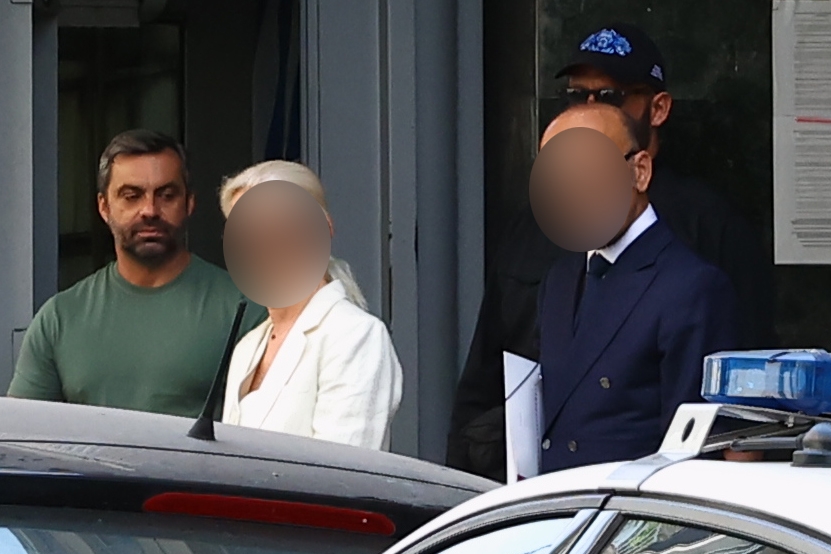
Two physicians, a husband and wife, identified as owners and operators of the practice were arrested during the early stages of the inquiry and later slapped with criminal charges. Their defense has denied medical negligence. They remain in pre-trial detention, which under Greek law can extend up to 18 months.

The two physicians, a husband and wife, are shown being led, as suspects, before investigating magistrates.
Yet, as September rolls into October and ongoing investigation has not established a final cause of death or criminal responsibility. Toxicology and other detailed tests are pending.
Nevertheless, the case has already moved beyond the question of what happened to one patient.
Rather, it has become a test of how the Greek state and medical associations regulate a rapidly developing sector in which conventional medical procedures are often presented alongside treatments marketed as rejuvenation, wellness, longevity or “regenerative medicine”.
Plasmapheresis itself is an established medical procedure, used for particular serious conditions involving the blood. The controversy is not over whether the procedure exists as legitimate medicine, but over the circumstances in which it is offered at the Kolonaki clinic, the indications for its use and the standards required when it is performed outside a hospital environment.
That case is particularly relevant because it involves components such as a well-known and beloved celebrity, an elective procedure, a private clinic, a sudden medical emergency and subsequent scrutiny of the facility and regulatory standards.
The circumstances recall a series of high-profile 21st-century global celebrity deaths in which a performer’s sudden death became inseparable from questions about medical care — from Michael Jackson’s shocking death and the conviction of his personal physician to American comedienne and talk show host Joan Rivers’ death following a procedure at an outpatient clinic.
Among others, outspoken Greek Health Minister Adonis Georgiadis described the regulatory environment surrounding anti-aging clinics as a “gray zone,” while the health ministry has moved toward establishing a framework for wellness and regenerative medicine.
The regulatory questions are not confined to the concept of anti-aging medicine itself. Greek authorities are also examining whether individual facilities were properly licensed for the procedures they performed and whether existing inspection mechanisms were sufficient.
Georgiadis said shortly after Mazonakis’ death that the Kolonaki practice held a license for a general internal medicine clinic rather than one authorizing plasmapheresis. The Athens Medical Association subsequently became involved in the case and reported findings concerning medical equipment and the operation of the practice.
Both Georgiadis and the AMA faced sharp criticism as well, mostly by the political opposition in the country, which pointed to lax or negligent regulatory oversight.
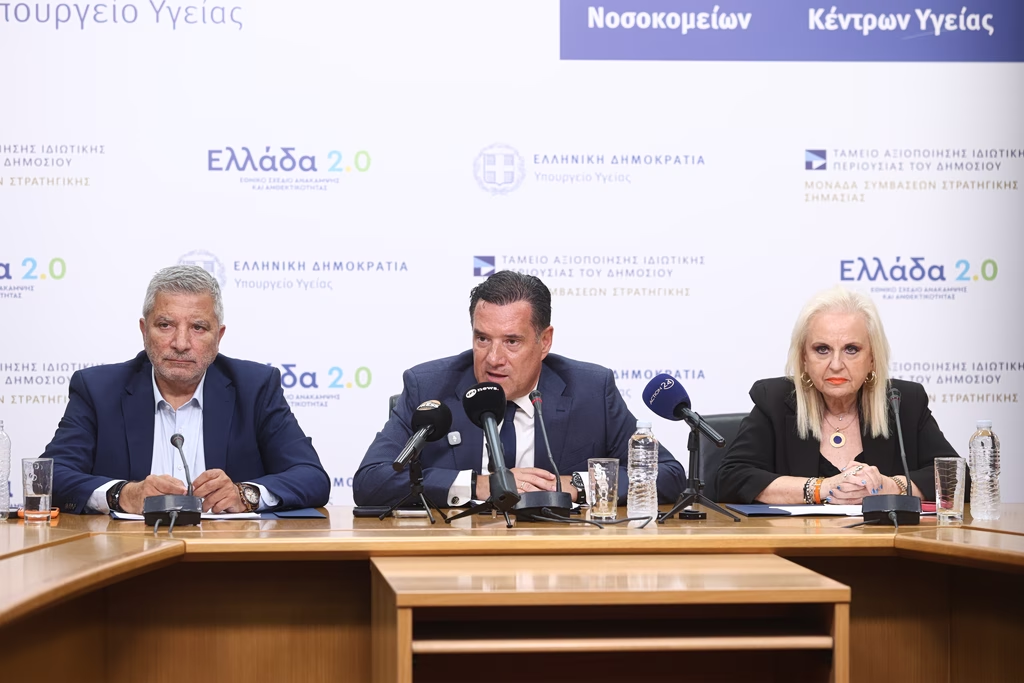
Health Minister Adonis Georgiadis presents Greece’s new AI system for monitoring private clinics at an emergency press conference in Athens, flanked by Matina Pagoni, head of the Panhellenic Medical Association, and Giorgos Patoulis, president of the Athens Medical Association, on Friday, September 18, 2026. (Yiannis Panagopoulos/Eurokinissi)
To Vima cited questions surrounding previous inspections of the practice and whether equipment used for plasmapheresis had been properly declared or identified during those checks.
The scrutiny has extended to the equipment itself. The Athens Medical Association handed investigators documentation concerning devices that it says were held and used at the practice, including equipment whose description in documents submitted to the association has come under examination.
Meanwhile, in reaction to the outcry, the health ministry introduced MedWatch, a digital monitoring system, via an app, intended to identify potentially unlawful online advertising of medical procedures and services. The center-right government also announced plans for a clearer regulatory framework covering wellness and regenerative medicine.
The significance of the Mazonakis case, therefore, may ultimately extend beyond the criminal investigation into his death.
It has exposed a difficult boundary in modern private medicine: where conventional treatment ends and wellness begins, who is authorized to provide increasingly sophisticated procedures, what claims can be made about their benefits, and what safeguards should apply when patients seek treatments promoted as ways of improving health, appearance or longevity.
Those questions keep unfolding against the backdrop of an unusually large public outpouring of grief and shock vis-a-vis Mazonakis’ death.
Born and raised in Nikaia, a tight-knit working-class district in the wider Piraeus area of the Greek capital, Mazonakis began his professional career in the early 1990s and quickly established himself as one of the defining voices of contemporary Greek popular music. His career encompassed more than 30 years, successful albums and collaborations, the high-profile television appearances and a visual identity that helped fuse traditional laïko with pop and mainstream dance influences.
His career was still in high gear when he died, as he had been preparing for a major concert in Athens, scheduled, in fact, for today, Sept. 30 — a performance that instead became a date marked by his absence.
His funeral in Nikaia drew thousands of people, alongside some of the country’s best-known singers, entertainers and political figures. The scale of the mourning reflected the particular place Mazonakis occupied in the domestic popular culture, given that he wasn’t simply as a recording artist, but as a performer whose music, image and appearances had been woven into several generations of Greek nightlife and popular entertainment.
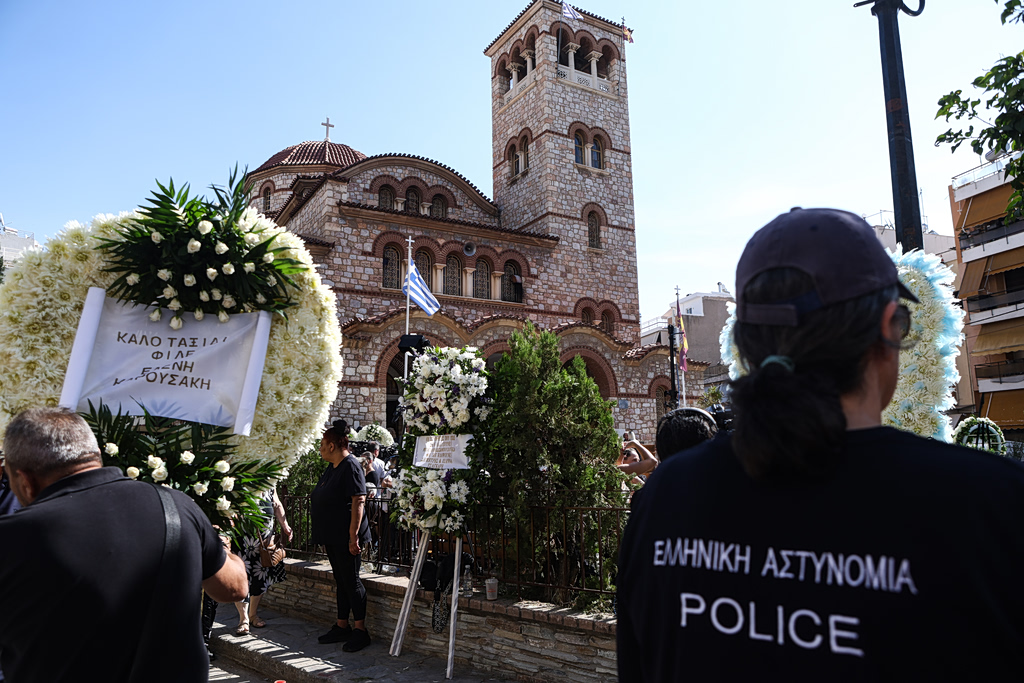
That is what gives the tragic case its unusual resonance.
What now remains is an ongoing investigation into medical records, equipment, communications, staff testimony and forensic findings, while a separate public debate is taking shape over the kind of medicine that is increasingly being offered in private facilities — and whether regulation has kept pace with it.
For Mazonakis’ family, colleagues and millions of fans, the immediate question remains what happened to the singer on Sept. 9.
For the private medical sector in Greece, the questions are broader: what standards should govern rejuvenation and longevity treatments, how should such facilities be licensed and inspected, and where should the line be drawn between medical care and the expanding business of wellness?
The answers will depend on the findings of the criminal and regulatory investigations.
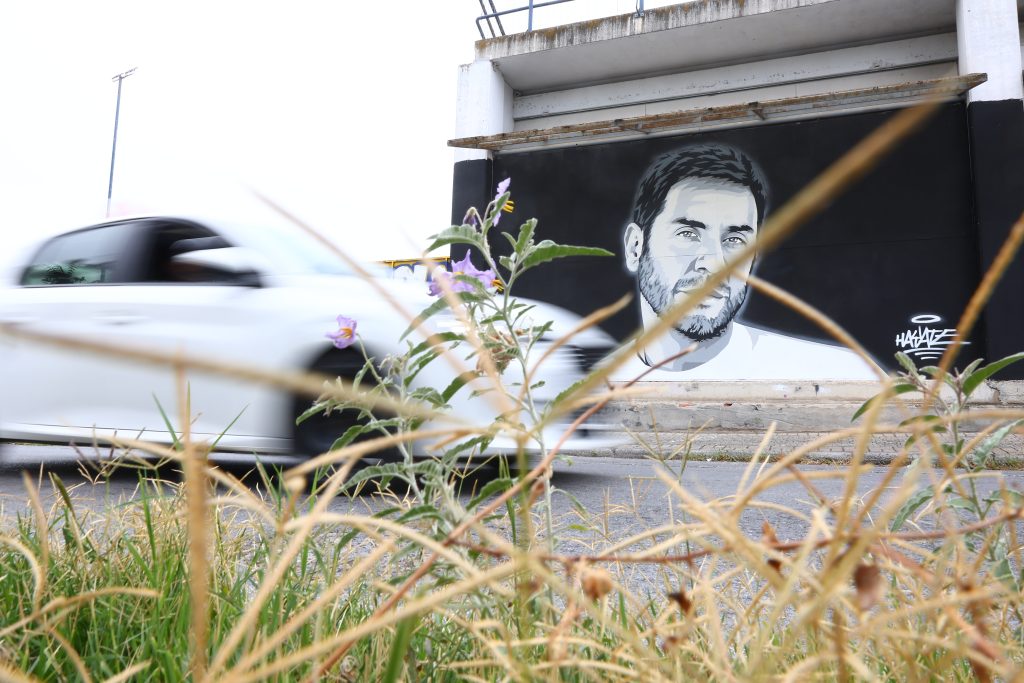
Giorgos Mazonakis graffiti on a wall in east Thessaloniki by a street artist known as “Hayate,” Tuesday, Sept. 22, 2026. (Rafail Georgiadis/Eurokinissi)
Timeline
Sept. 9, 2026: Mazonakis suffers cardiac arrest during a visit to a private medical practice in Kolonaki and is transferred to the Elpis hospital, where his death is confirmed.
Sept. 10: Authorities inspect the practice as the legality of its operation and the circumstances surrounding the medical procedure come under intense scrutiny. The health ministry raises questions about the facility’s authorization.
Sept. 11: The two physicians associated with the practice are arrested as the criminal investigation intensifies.
Sept. 14: Mazonakis is buried in Nikaia following a funeral attended by thousands and numerous celebrities and even office-holders.
Sept. 18: Reporting focuses on shortcomings in the regulatory system for private medical practices and the broader questions exposed by the case.
Sept. 24: The Athens Medical Association becomes formally involved in the proceedings and submits documentation concerning equipment and the operation of the practice.
Sept. 25-28: Police investigators examine the timeline of the procedure, medications reportedly administered and the critical period before emergency assistance was summoned. Toxicology and histology findings remain important to determining the circumstances of the death.
Sept. 29-30: The investigation widens to communications and staff testimony, while the health ministry advances plans for a regulatory framework covering wellness and regenerative medicine.
H.T.