 Μake us preferred on Google
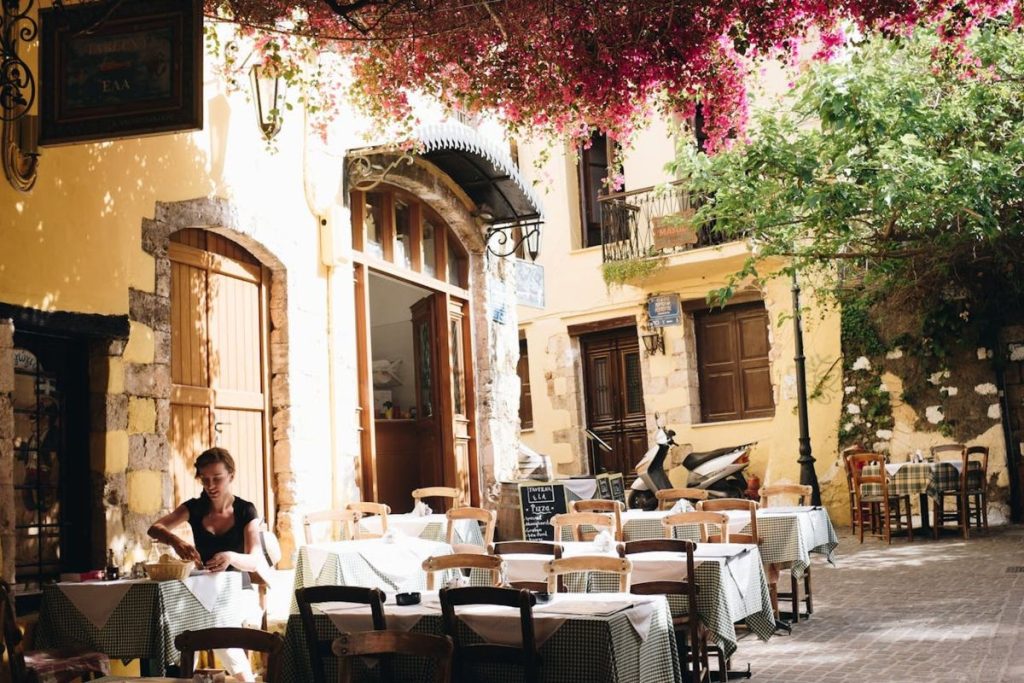
 Ask an award-winning chef in Copenhagen, Paris, or New York to define the “holy grail” of contemporary cuisine, and the response will likely be immediate: farm-to-table, zero waste, sustainability, and the primacy of seasonal ingredients. Michelin-starred tasting menus celebrate a return to nature, elevating raw materials and reviving practices such as foraging. Yet what is often presented as a cutting-edge culinary ideal has, in fact, been the quiet, enduring reality of monastic life for nearly a thousand years.
A Living Tradition
In Greek monasteries, food carries a deeply spiritual meaning. The trapeza, the communal dining hall, is seen as a continuation of the Divine Liturgy, and eating is inseparable from communal and devotional life. Ingredients are valued not only for their quality but for the labor and discipline behind them.
Over centuries, this philosophy has turned monasteries into custodians of biodiversity.
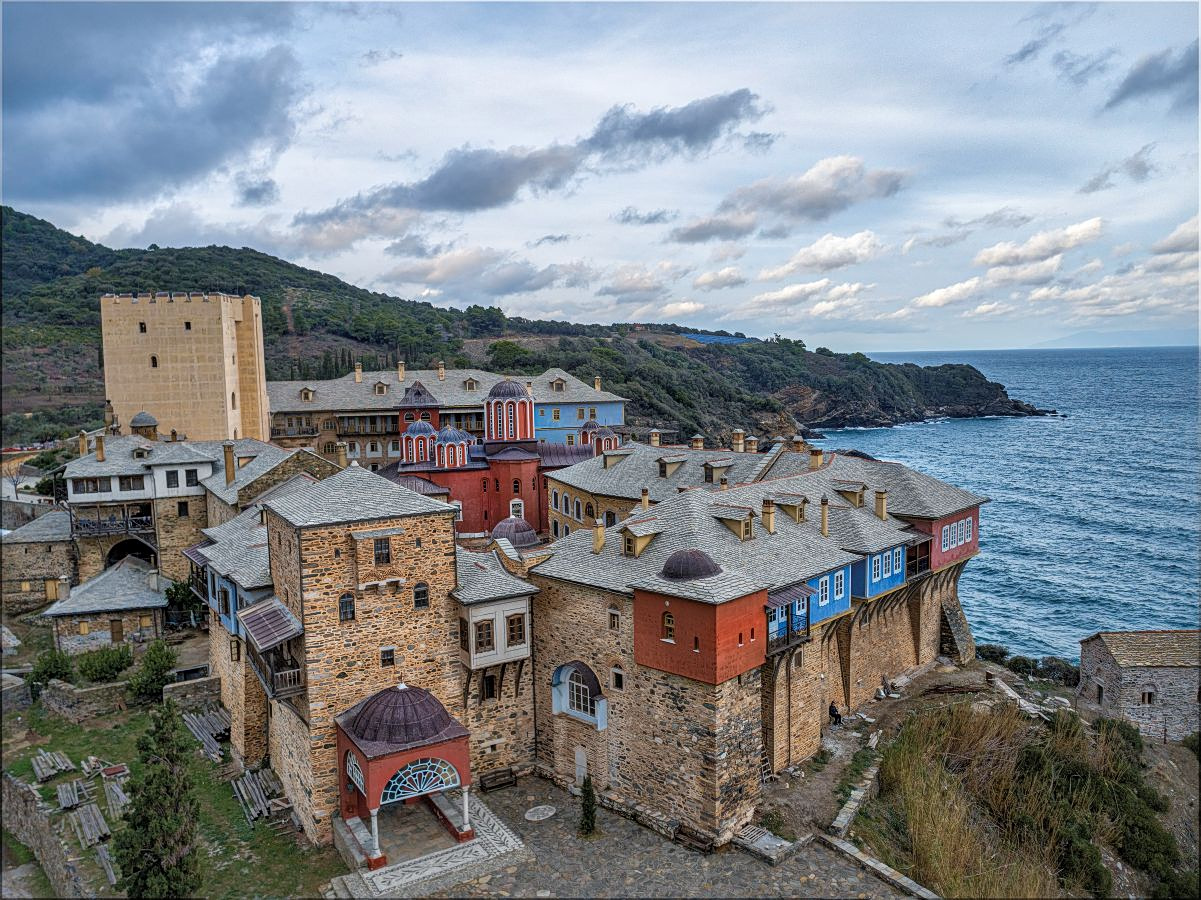
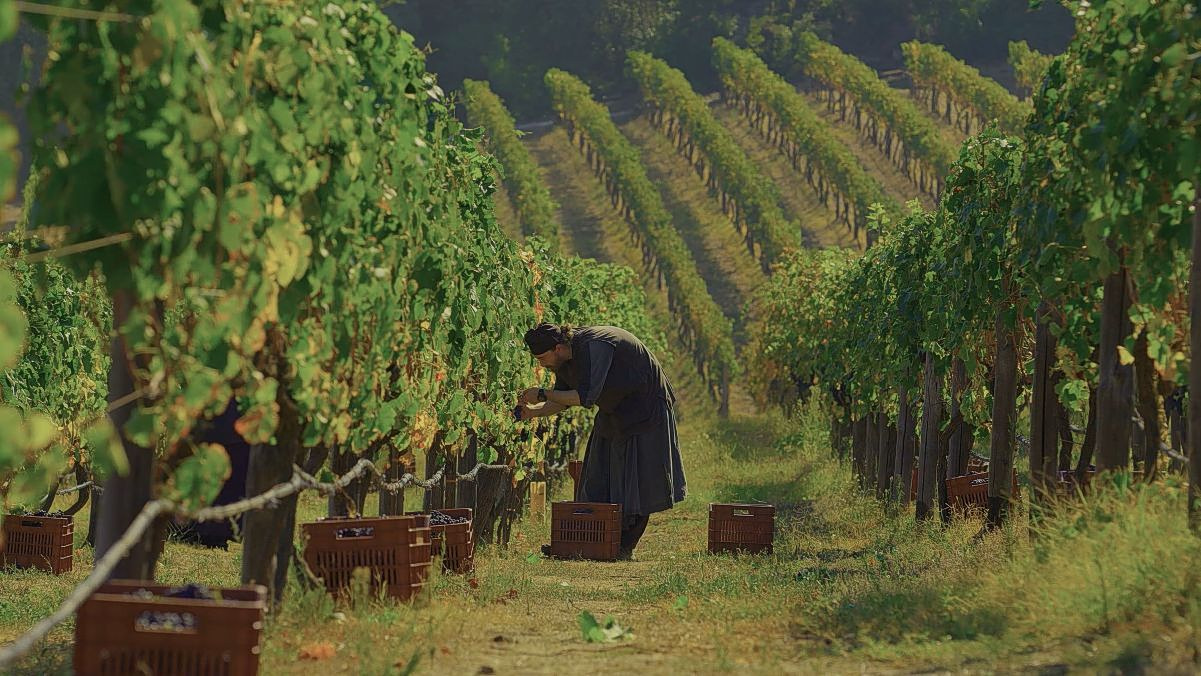
Long before sustainability became a global concern, monks preserved traditional seeds, cultivated endemic herbs, and practiced forms of circular agriculture. Legumes, ancient grains, and rare plants continue to thrive in monastic gardens, reflecting a culture rooted in simplicity and resourcefulness.
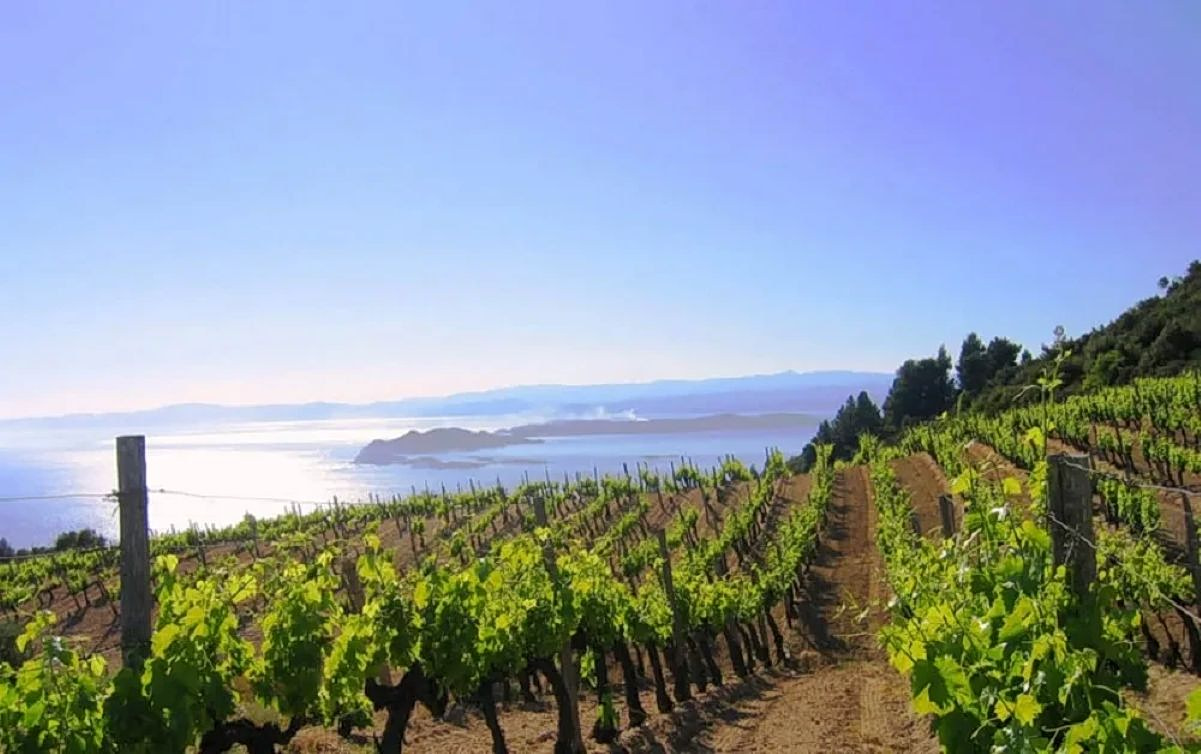
The Terroir of Mount Athos
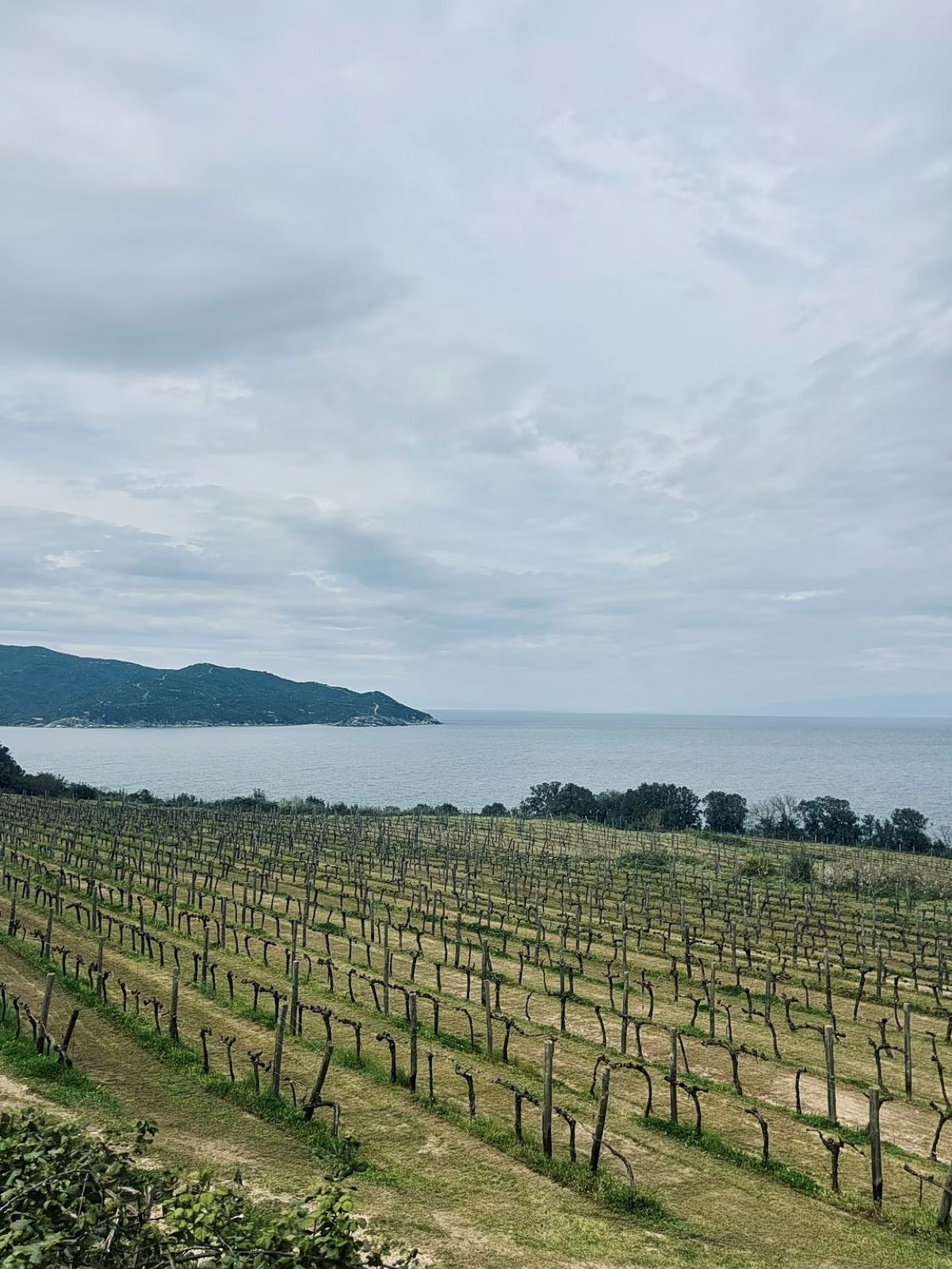
At the center of this tradition stands Mount Athos, where an untouched natural environment shapes a distinctive agricultural identity. Free from industrial interference, its microclimate produces ingredients of remarkable character.
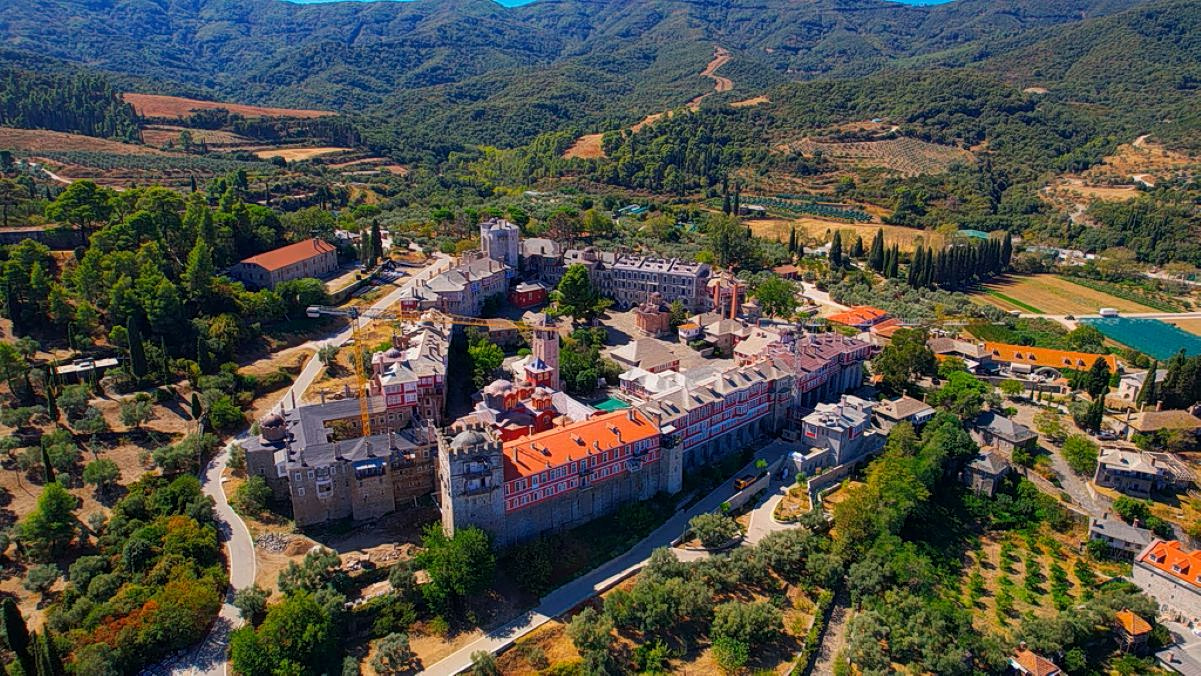
Photo: Kostas Kalpatzidis
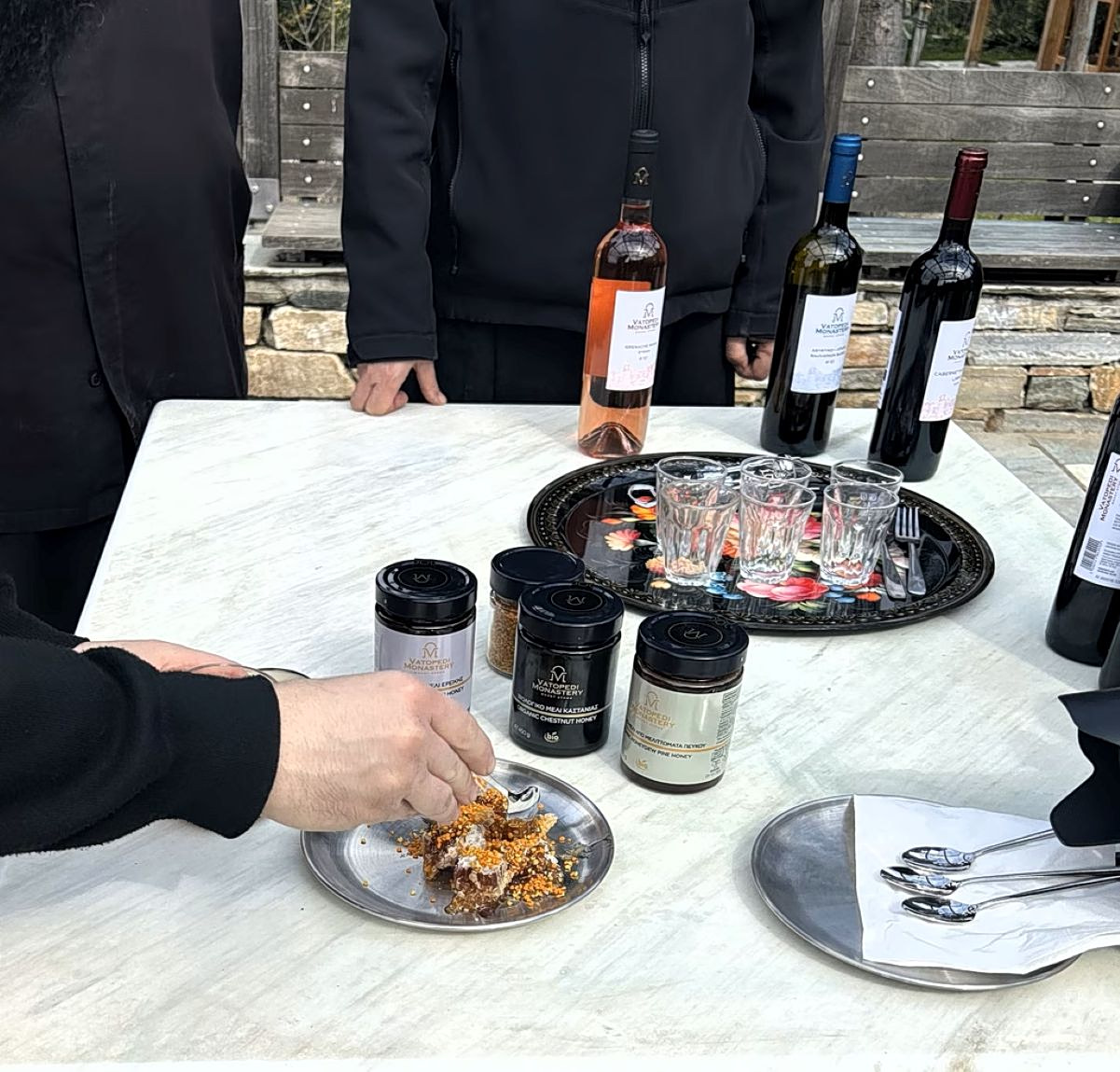
Each monastery develops its own specialty: olive oil of notable depth, aromatic chestnut honey, or wines grown on steep terraces overlooking the Aegean. Diet is equally defined by rhythm and restraint. For more than half the year, monks follow a plant-based regimen of vegetables, legumes, herbs, and wild greens—a practice now associated with the Mediterranean diet, but long embedded in monastic life.
Vatopedi: A Model of Self-Sufficiency
Among these communities, the Monastery of Vatopedi offers a particularly refined model of self-sufficiency. Faced with the challenge of feeding both monks and thousands of visitors, it has combined tradition with modern expertise.
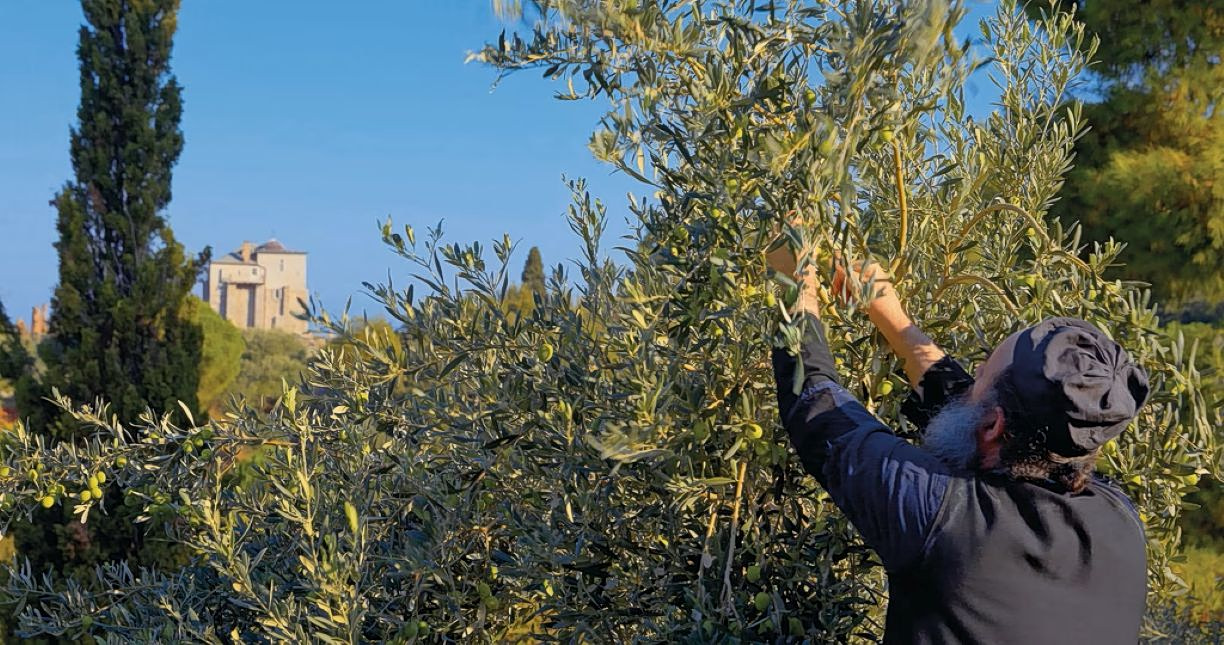
Photo by: Kostas Kalpatzidis
All cultivable land is certified organic, including extensive olive groves with trees centuries old. Harvesting is done carefully by hand, and the olives are processed the same day in the monastery’s own mill. Cold extraction below 27°C preserves the oil’s nutritional and aromatic qualities.
The result is an internationally awarded organic extra virgin early-harvest olive oil—an expression of a broader philosophy in which sustainability, precision, and devotion are inseparable.