 Μake us preferred on Google
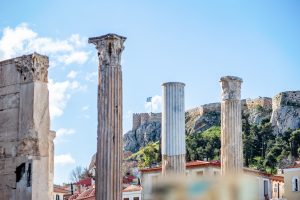
 Plaka, an inseparable part of the old quarter of Athens, is most recognizable by its neoclassical buildings. At the southern foot of the Acropolis, in contrast to the sea of concrete enveloping it, the area has that village feel, with vibrant colors and red-tiled roofs. It evokes a sense of travel to an Athens of the olden days.
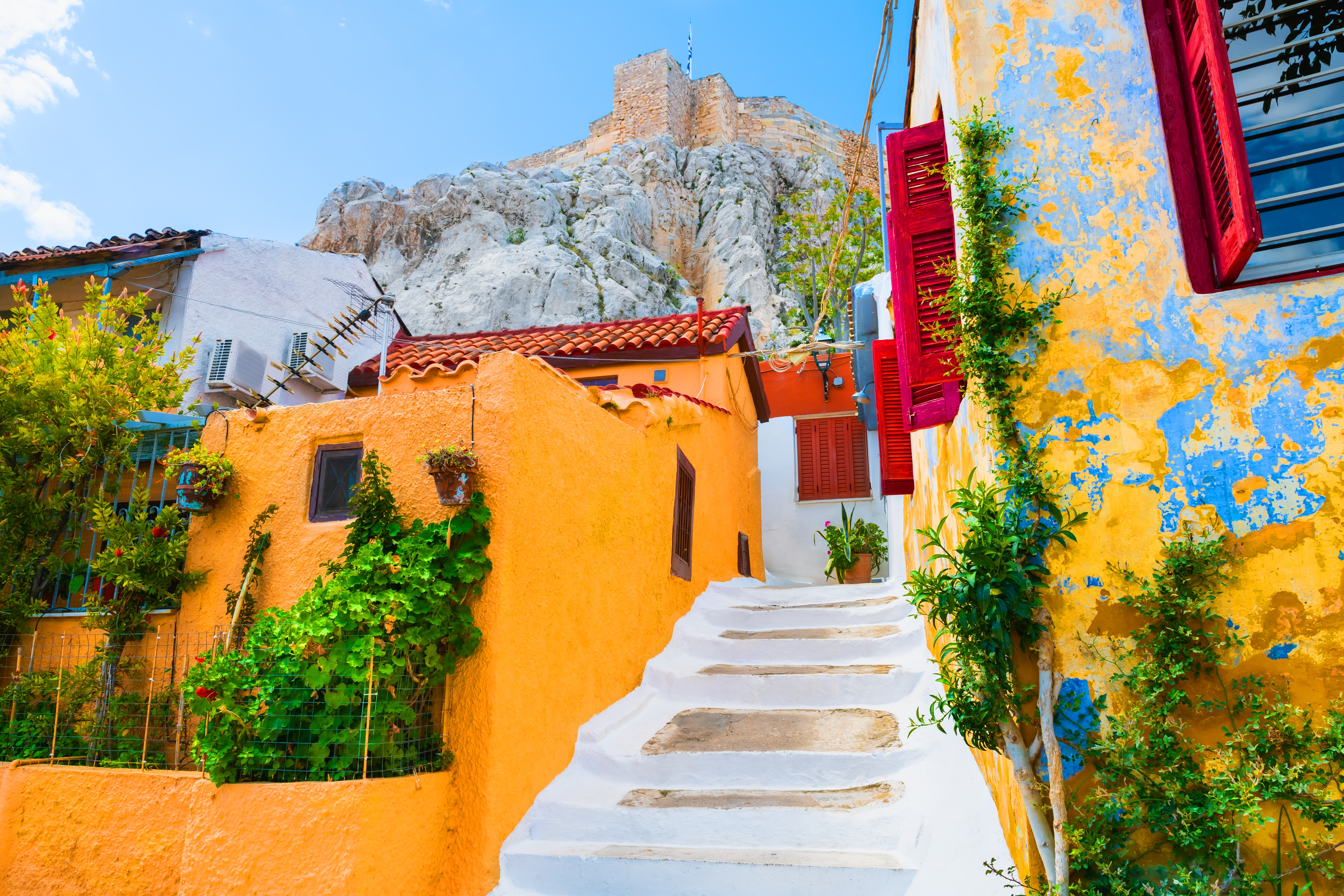
A street in Plaka sitting below the Acropolis. Source: Shutterstock
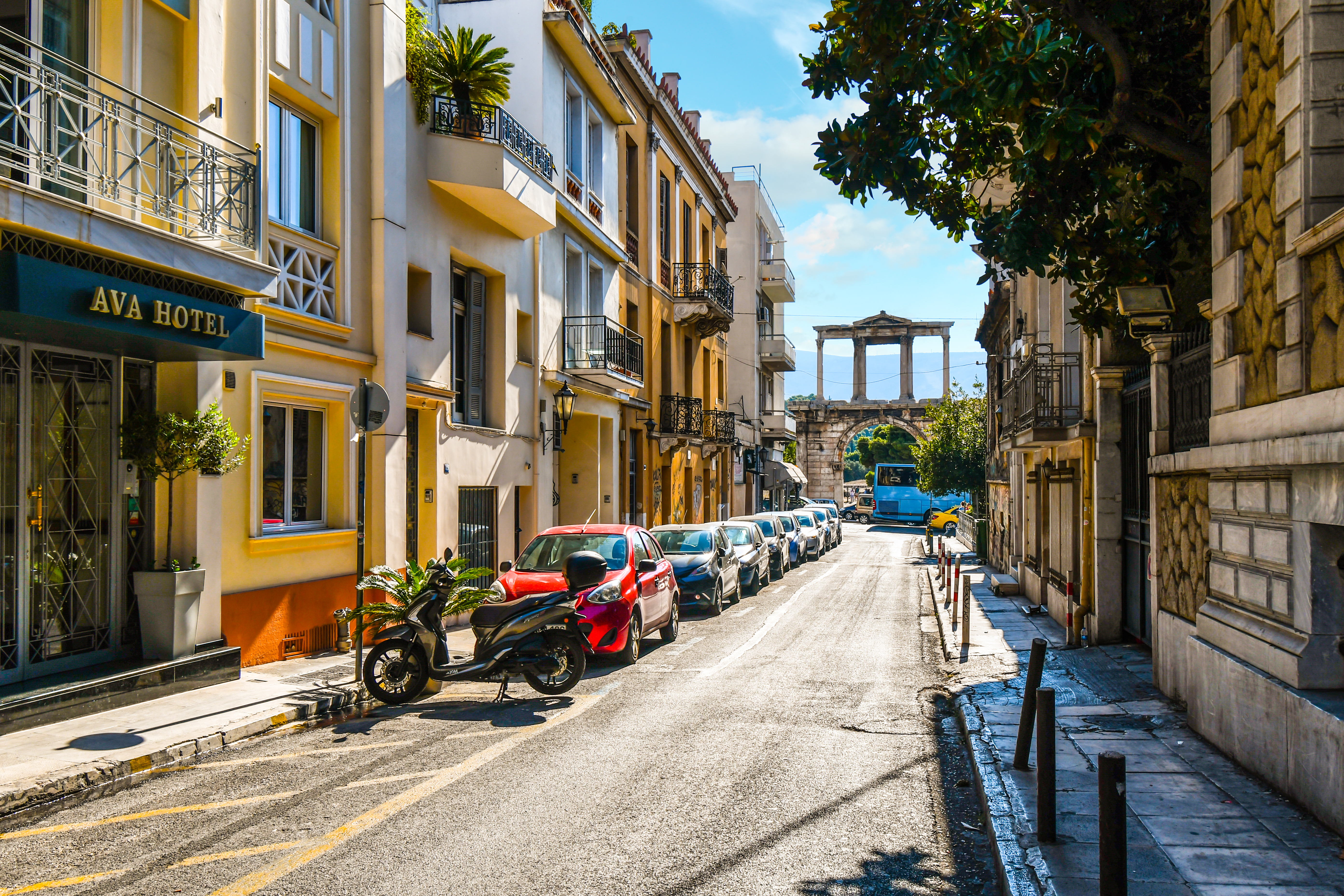
Athens, Greece – September 16 2018: View from a quiet street as traffic passes by The Arch of Hadrian, most commonly known in Greek as Hadrian’s Gate in the historic center of Athens, Greece. Source: Shutterstock
That historic neighborhood has recently captivated headlines but not to reminisce nostalgic sentiments.
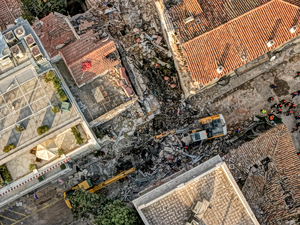
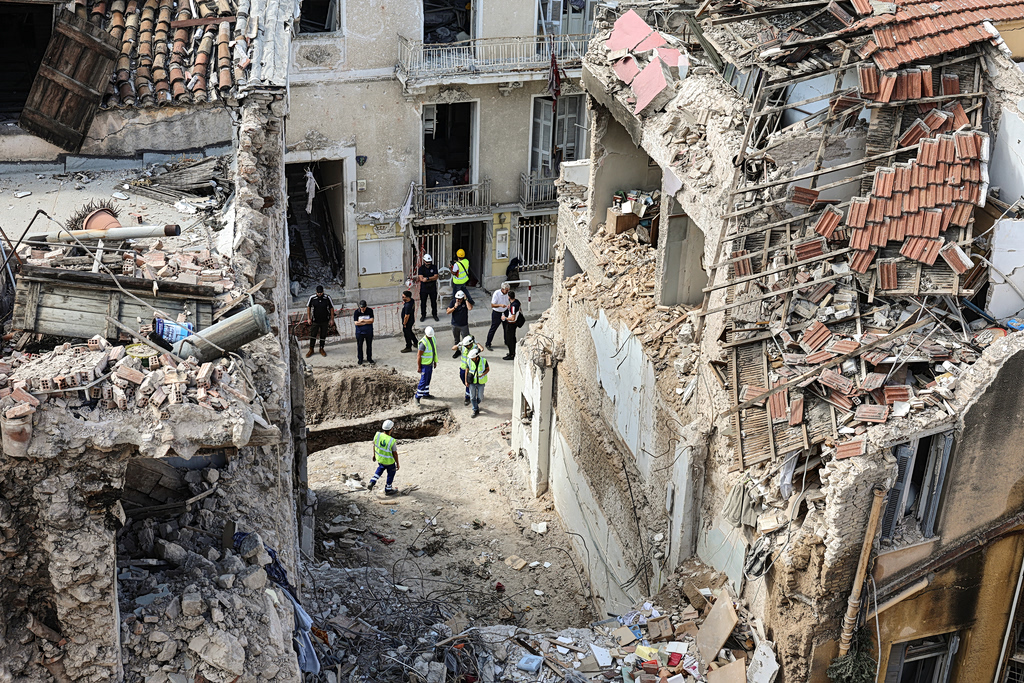
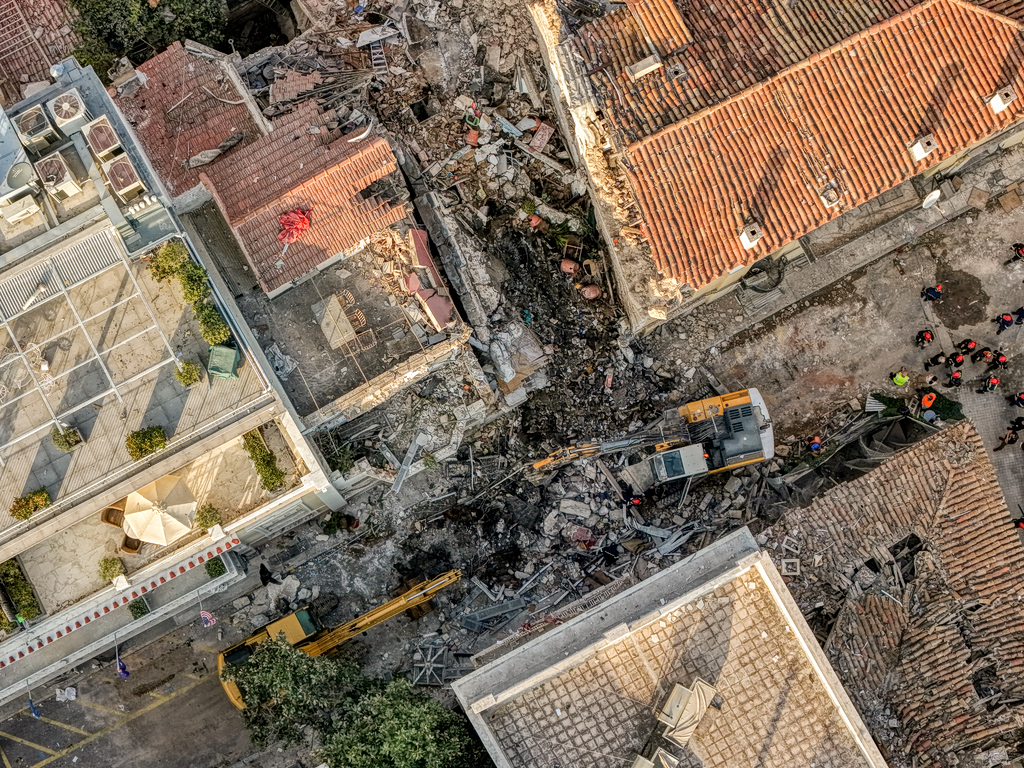
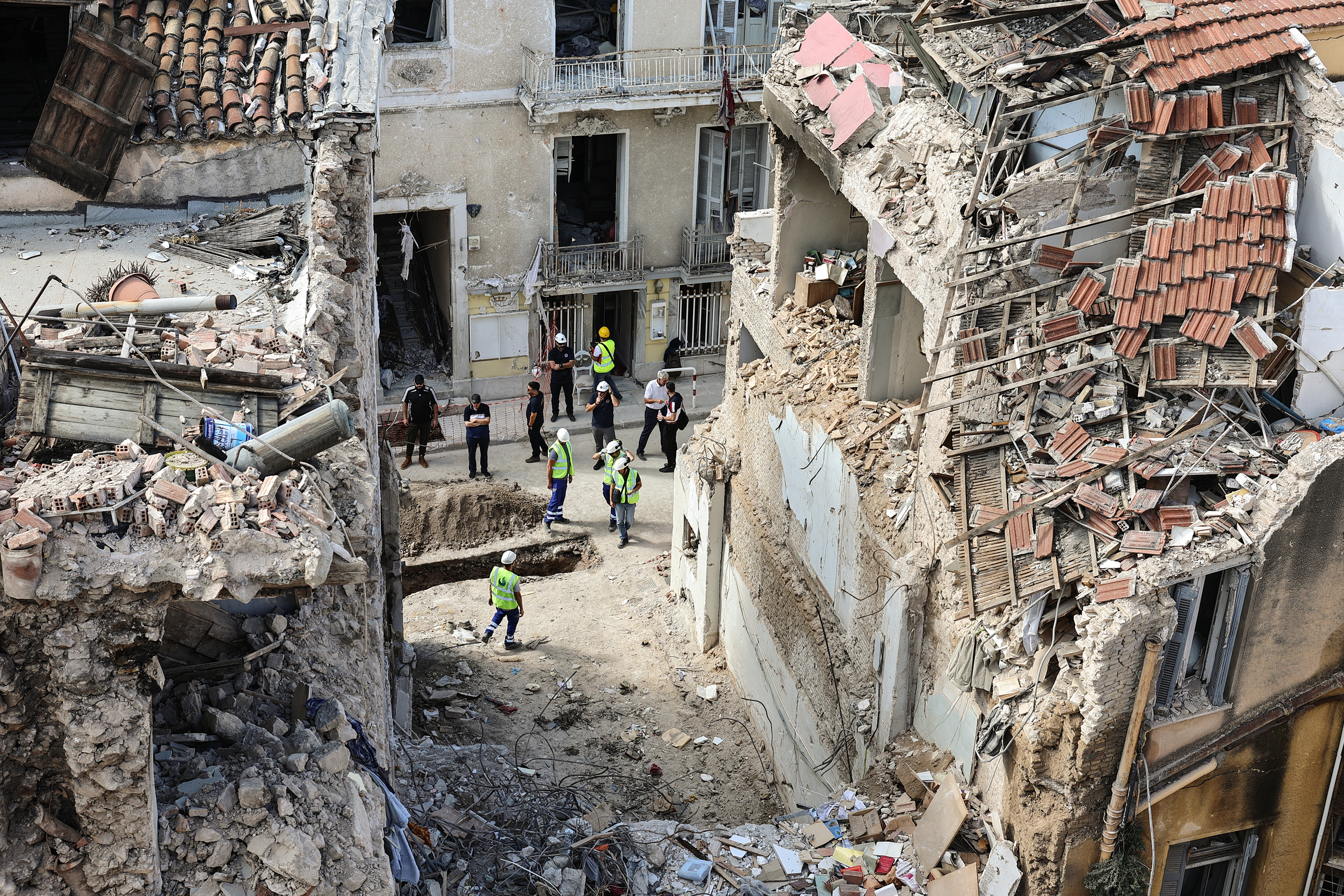
On Friday morning, September 25, around 7:45 a.m., a deadly explosion originated from the second floor of an old building, completely leveling the structure.
The explosion killed a total of six people, of which four were American, a British man and a Greek woman.
The four Americans, two couples, were staying on the first floor, while the British and Greek, an elderly couple, were living on the second floor.
Apart from the building itself, the surrounding buildings, businesses and the Church of Agia Aikaterini were damaged.
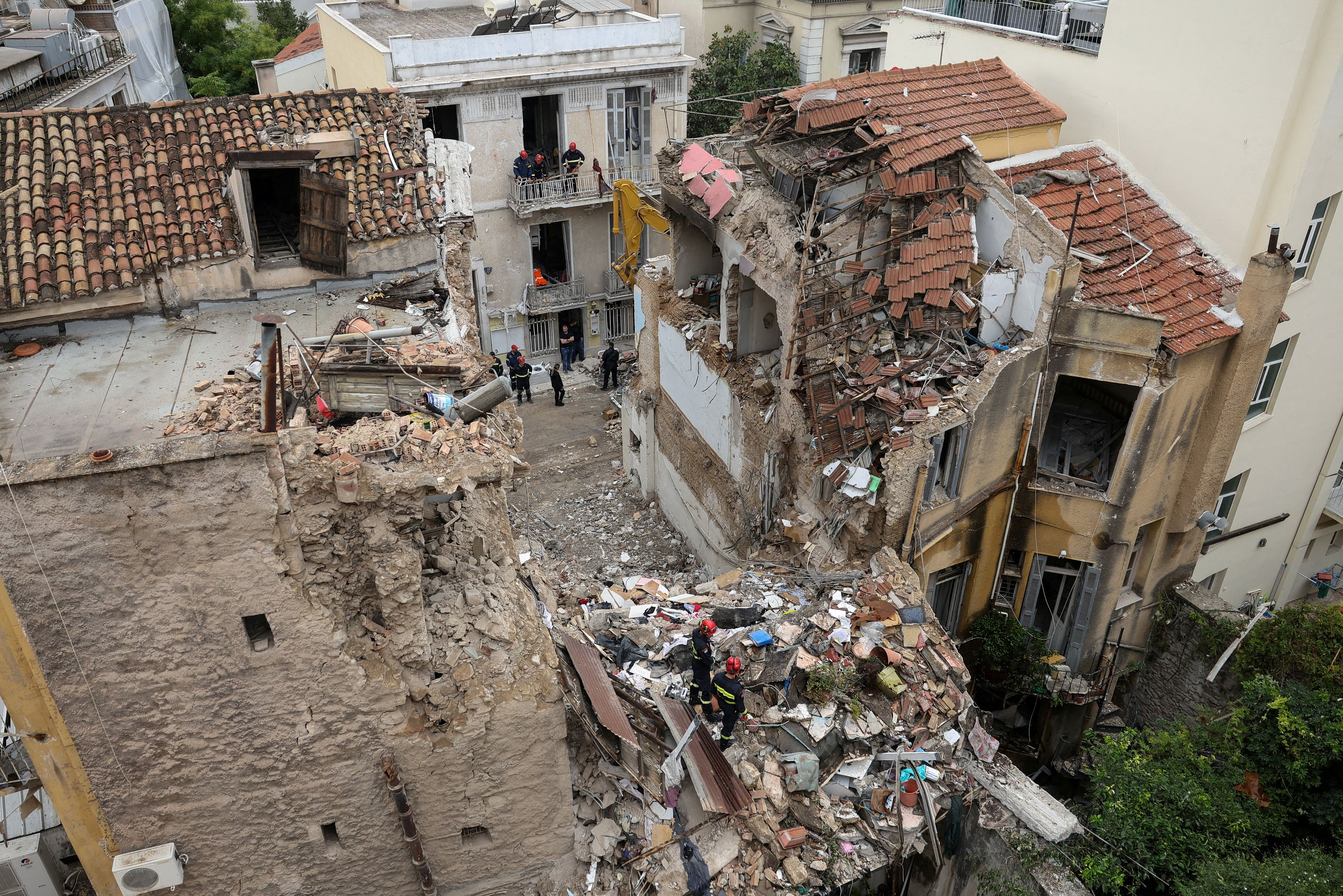
Emergency personnel search for survivors in the rubble of a building that partially collapsed following an explosion in the Plaka area, which is popular with tourists, in central Athens, Greece, September 26, 2026. REUTERS/Stelios Misinaσ
The cause of the explosion
Investigators believe that the explosion was the result of built-up natural gas igniting on the second floor. The elderly couple’s apartment was found to be the only one in the building connected to natural gas, with three appliances running on them being a stove, a fireplace, and a water heater.
The leading hypothesis is that gas had built up to an explosive concentration, after which a spark within the house set it off, possibly from when the woman turned on a light, since she was found by the bathroom sink, while the others were in bed.
The gas is believed to have originated from the apartments internal installations, although a precise origin point has not been pinpointed. While the stove and fireplace were found without extensive damage, the water heater is still missing, narrowing down the possible source of the explosion.
Decades of fighting for Plaka
Plaka’s history has involved a tumultuous battle to preserve the neighborhood’s historic character against both the degradations of time and overexploitation through counteless short-term rentals, one of them being the one where the four Americans were staying.
For many years, locals have been vocal about the steady decline of the distinctive character of the area and it’s continuous commercialization. During the 1970s the area was packed with nightclubs, taverns and all the markings of a loud and fast nocturnal culture. Residents subsequently organized joint campaigns, with support from organizations such as the Hellenic Society for Environment and Culture (ELLET), demanding that the neighborhood be protected from degradation.
Championed by the then Minister of Physical Planning, Housing and Environment, Antonis Tritsis, a Presidential Decree was signed in 1982, that introduced a series of strict measures, limiting use of land, and moving large nightclubs away from the neighborhood. A further 1993 decree also excluded hotels, allowing only guesthouses to exist.
Over 20 years later, in 2006-2009, the then Ministry for the Environment, Physical Planning and Public Works attempted to amend the 1982 Presidential Decree. Residents voiced concerns of “Psyrri-fication”, referring to the busy, highly commercialized, and teeming with tourists Psyrri area to the northwest of Monastiraki square. The slogan “Plaka will not slide back to its sinful past” was widely heard. For residents, the pursuit of profit should not sully the historic neighborhood.
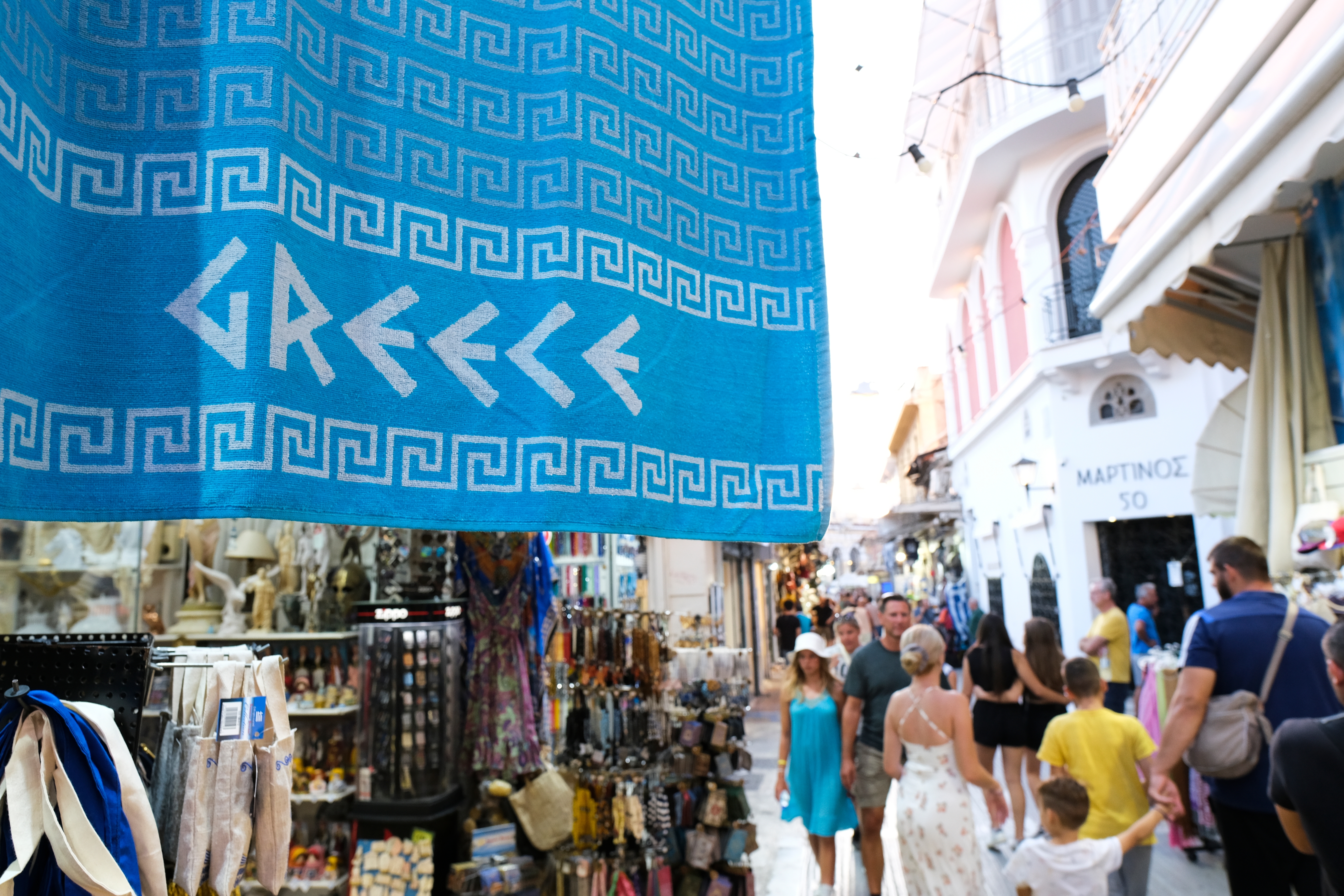
Crowd of tourist walk in Monastiraki area in Athens, Greece on August 15, 2022. Source: Alexandros Michailidis via Shutterstock
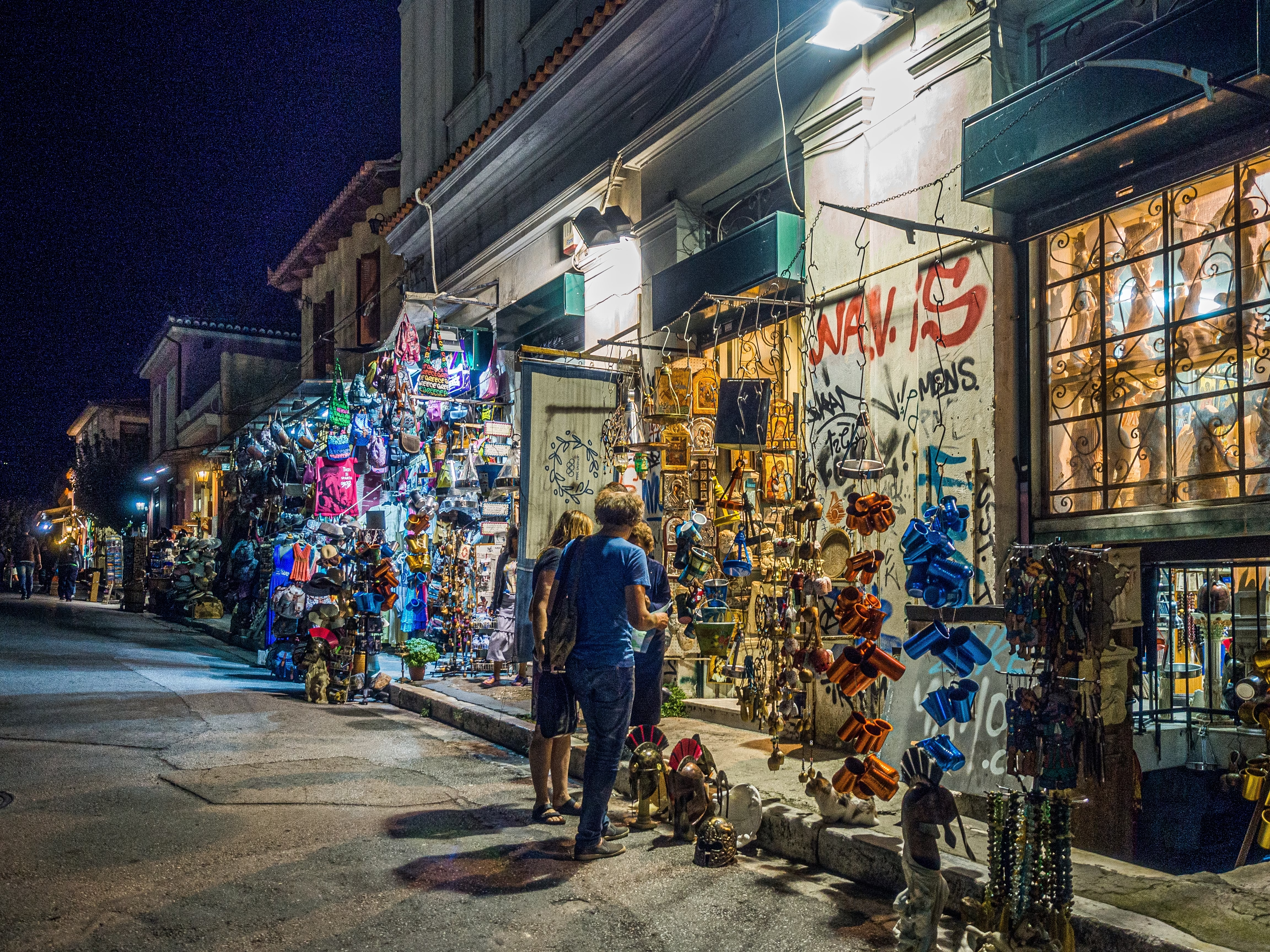
Tourists browse souvenir shops and market stalls along a narrow street in the Monastiraki flea market district at night. Source: Flying Camera, via Shutterstock
In recent years, starting in 2022, these fears are once more emerging, as mounting overtourism has led to permanent residents moving out. Homes across the neighborhood have been converted to short-term rentals (Airbnb), operating as de facto hotels, despite the 1993 decree’s ban on hotel use. ELLET filed 16 appeals against the conversion of entire buildings into Airbnb properties, but the Council of State ruled that short-term rentals do not automatically count as “tourist accommodation,” since planning and tourism law do not define them that way. The ruling left the decree’s protections unable to stop the trend.
Safety warnings before the blast
The latest issues concern the aging buildings safety and arose a little less than one year ago. In October 2025, the Plaka Residents’ Movement sent an official written protest and warning to the Fire Service, the Ministry of Climate Crisis and Civil Protection, and the City of Athens, expressing serious worries about spatial planning problems, such as narrow streets, and lack of fire hydrants.
They stressed that in an emergency, such as a fire caused by a short circuit or a leak in mixed-use buildings, emergency vehicles would not be able to gain access, and they repeatedly called for a firefighting drill to be held, a request that went unanswered at the time.
The latest explosion has renewed questions about the safety of Plaka’s aging buildings, as well as the commitment of the city to protecting the neighborhood from excessive commercialization and overtourism. The Mayor has made certain promises earlier in the year, but whether these will be effectively carried out to address fears and concerns of residents, remains to be seen.
Write to Angelos Gassenschmidt at agassenschmidt@tovima.com