 Μake us preferred on Google
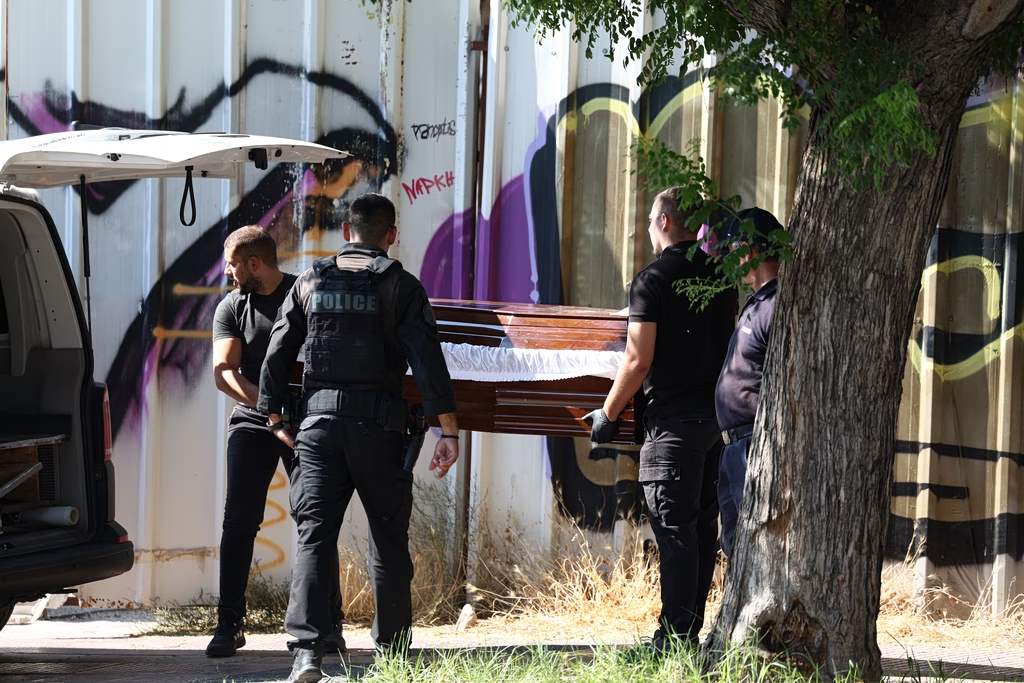
 Greek authorities are intensifying their investigation into the killing of 38-year-old Scottish national Elizabeth Jane Ross, whose body was found inside a suitcase in an abandoned building in Athens, as detectives examine a series of text messages sent from her phone after her death.
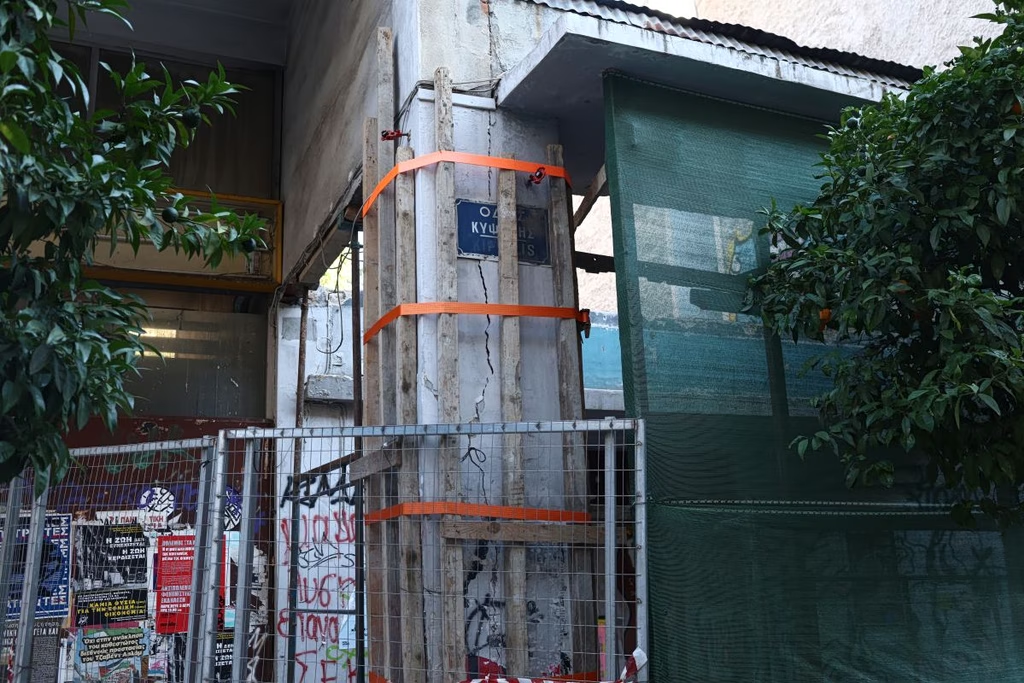
Ross’s body was discovered on July 18 inside a suitcase in a vacant building on Evelpidon Street in the Kypseli neighborhood of Athens.
Investigators from Greece’s Homicide Unit are reconstructing the final 72 hours before her body was found, focusing on identifying the person or people responsible for her death.
Final Meeting Before She Disappeared
Ross arrived in Athens on June 26 after traveling from the United States via Edinburgh. She initially stayed with a Greek couple who were friends in the port district of Keratsini.
On July 15, she left their home, telling them she was heading to Kypseli to meet friends and acquaintances from the United States.
Police have already interviewed the couple and ruled out their involvement. The investigation is now centered on identifying the individuals she planned to meet in central Athens.
Her body was discovered by a homeless man who noticed a human foot protruding from the suitcase. He told investigators he regularly used the abandoned building as shelter and that the suitcase was not there on July 15 or 16, leading police to believe it was likely placed there on July 17.
Messages Sent After Death
Investigators are giving particular attention to Ross’s digital communications.
Although police believe she was already dead, her cellphone remained active and continued transmitting a signal in the wider Kypseli and central Athens area.
Between July 15 and July 29, text messages were sent from her phone to both her parents in Edinburgh and a Greek friend. According to investigators, the messages included:
- “I need some time to myself.”
- “I want to be alone for a while.”
- “I’m going to a Greek island.”
Police believe the messages were sent by the perpetrator or perpetrators to create the impression that Ross was still alive, delaying any missing person report.
Investigators also noted that the phone was switched off shortly after news of the body’s identification received international media coverage.
Suitcase, DNA and Security Cameras Under Review
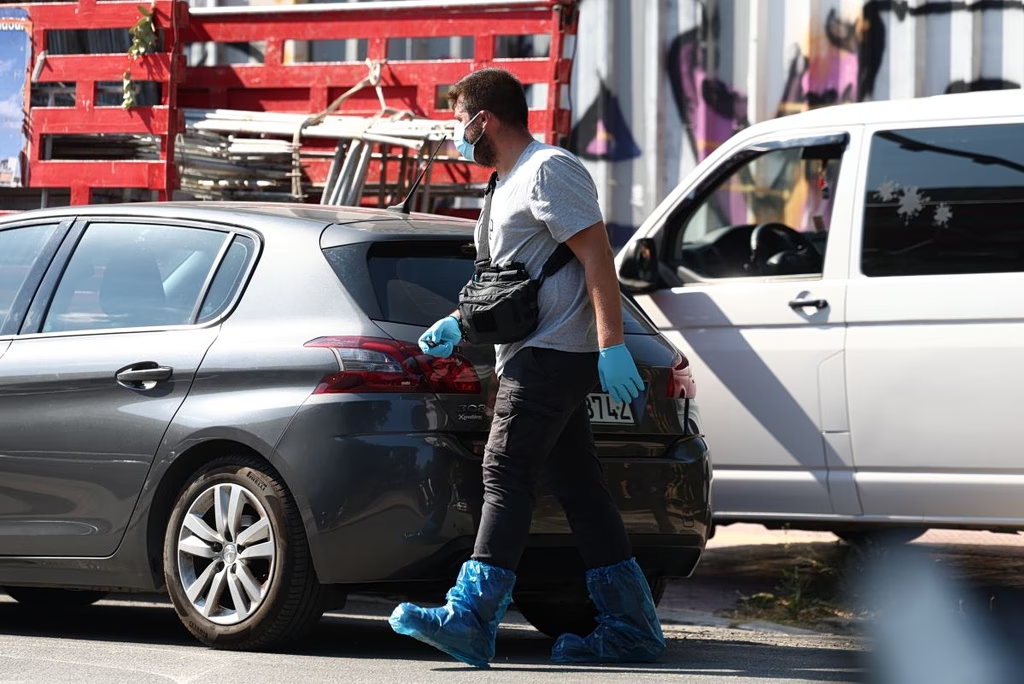
Forensic investigators are closely examining the suitcase in which Ross’s body was found.
Because she had been traveling with only light luggage, authorities believe the suitcase likely belonged to the perpetrator or perpetrators. Specialists are collecting DNA samples and fingerprints from the suitcase as part of the investigation.
Given the weight of the suitcase, investigators also believe the person who transported it may have been staying close to the abandoned building.
As a result, police are conducting door-to-door inquiries in the Kypseli area, collecting footage from security cameras, and checking nearby hotels and short-term rental properties.
The initial forensic examination ruled out strangulation and head trauma, while finding no visible injuries or signs of a struggle. Toxicology and additional laboratory tests are expected to help determine the exact cause of Ross’s death.