Temperatures in Greece soared to 45°C on Tuesday with the highest recorded in Central Greece. Heatwave conditions to continue.
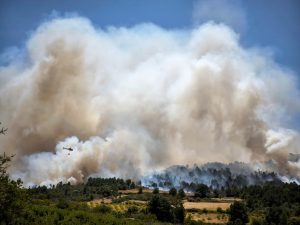
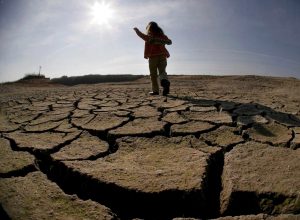
Today, Greece, like much of the world, is grappling with the undeniable consequences of climate change: more frequent and intense heatwaves, longer wildfire seasons, unpredictable weather patterns, and vulnerable cities pushed to their limits
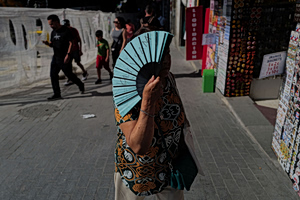
Those travelling or vacationing in Greece should avoid outdoor activity during midday and early afternoon, particularly in areas away from the coast where temperatures will be more extreme
HEDNO, which manages the electricity distribution network, has ramped up its readiness. Maintenance teams are on standby across the country, prepared to respond to any outages in the low- and medium-voltage networks
Kostas Lagouvardos noted that major heatwaves occurred in 2021, 2023, 2024, and again in 2025, “It could be coincidence, but it may also signal that the climate crisis is no longer a future threat — it is already here.”
As heatwaves become more frequent and intense, smart AC use and regular maintenance are key to staying cool without racking up huge repair costs
Greece will see a temporary dip in temperatures on Friday, offering short-lived relief before a significant heatwave is expected to grip the country with temperatures threatening to reach 45°C in some areas
Forecast models from the National Observatory of Athens (meteo.gr) and the HEAT-ALARM system indicate significant heat stress for much of the country
Heatstroke is a medical emergency that can cause kidney damage, internal bleeding, or even death if left untreated. During periods of extreme heat, it’s crucial for pet owners to stay alert, limit outdoor activity, and provide ample shade and water
Last summer, a total of 2,191 deaths were attributed to heat-related causes, indicating a worrying upward trend
What this study underscores is a sobering reality: climate change is not merely an environmental issue — it is profoundly political and economic.
From Sunday, July 13, Greece will once again face elevated temperatures and persistent heat, potentially putting additional strain on public health and infrastructure
The increasing intensity of heatwaves is linked to the accumulation of greenhouse gases, primarily from fossil fuel combustion, which has raised Earth’s average temperature over time
While the western part of the country begins to cool, much of eastern and southern Greece, including the Aegean Islands, Crete, and coastal mainland regions, will still face intense heat, with maximum temperatures near or exceeding 40°C
The Athens municipality has activated an emergency plan with air-conditioned shelters, street patrols, and relief for homeless and strays.
Fierce temperatures force Greece to shut down the Acropolis and order safety measures for outdoor labor.
Tuesday marks the peak of the heatwave, with maximum temperatures in eastern mainland Greece expected to reach 41–42°C
Locals and visitors try to beat the heat from the early morning hours at local beaches.
This extreme heat is expected to continue through the week, with only minor variations in temperature. Stay informed and prioritize health and safety
Authorities are advising the public to remain vigilant, avoid unnecessary exposure to the sun, stay hydrated, and pay close attention to updates from the National Meteorological Service