 Μake us preferred on Google
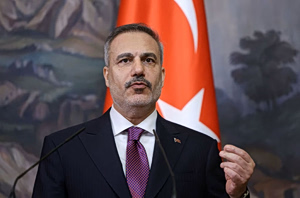
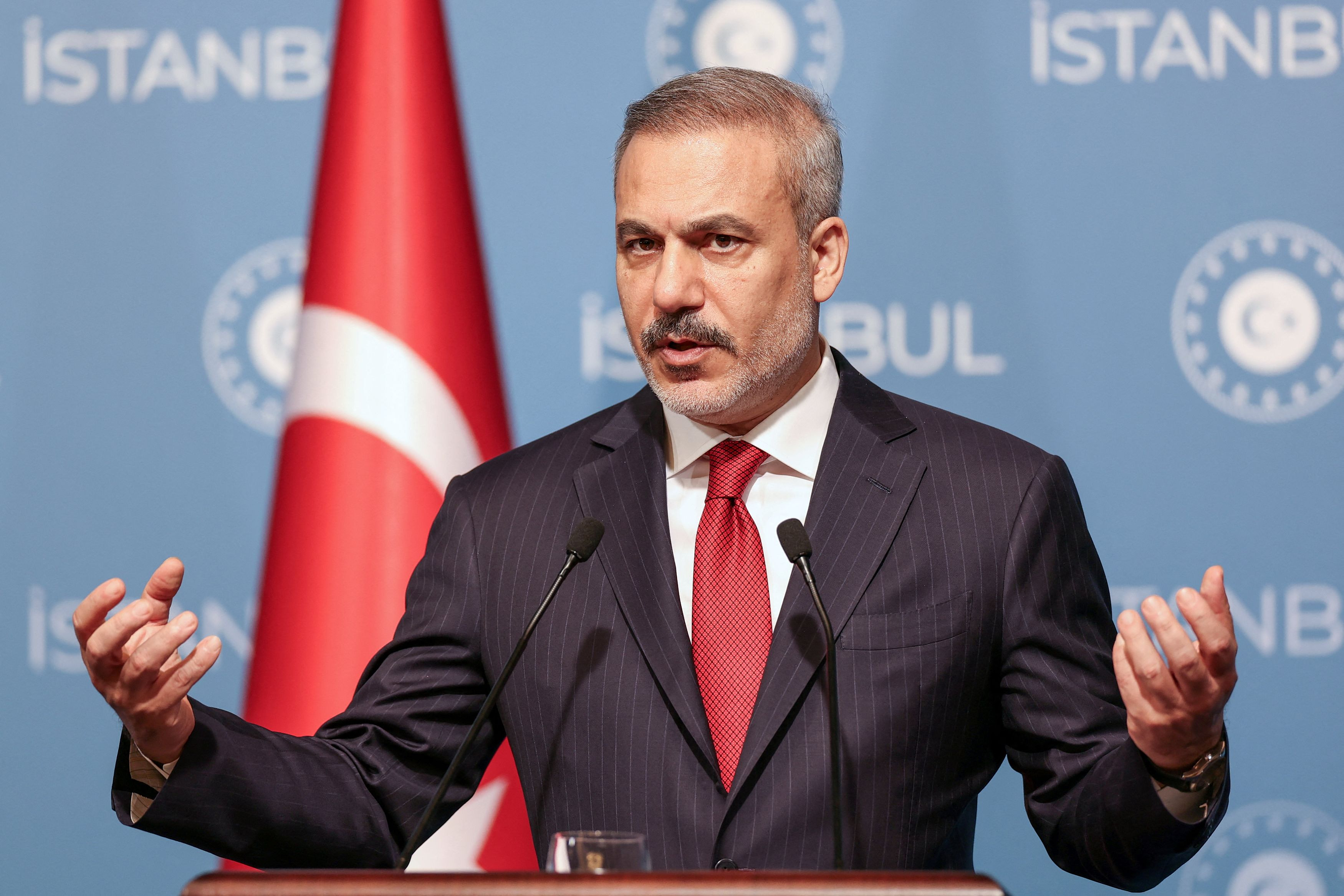
Turkish Foreign Minister Hakan Fidan said Ankara does not oppose the electricity cable planned between Greece and Cyprus but wants advance written notification of maritime surveys, arguing that the project should not alter the existing status quo in disputed waters. Responding to questions from Greek newspaper TA NEA following a speech at the European Policy Center in Brussels on Tuesday, Fidan also defended Turkey’s longstanding casus belli concerning Greek territorial waters and accused Greek politicians of allowing domestic political considerations to obstruct efforts to resolve disputes with Ankara.
Fidan, who is visiting Brussels and was scheduled to meet EU foreign policy chief Kaja Kallas on Wednesday, addressed three questions from TA NEA concerning Greek-Turkish relations, the Great Sea Interconnector (GSI) and Turkey’s Blue Homeland doctrine.
He began with a broader assessment of relations between Athens and Ankara.
“Since May 2023, the two governments have decided to resolve existing issues, avoid creating tensions and prioritize confidence-building measures,” Fidan said. “So far, our cooperation has been quite good. At least we no longer have aerial confrontations. The Aegean has become a calmer place over the past three years. However, in Greek domestic politics, a certain amount of anti-Turkish rhetoric is necessary. It is like aspirin. Without Turkey, Greek domestic politics could not exist. This is important because it prevents bold decisions from being made to resolve the problems. President Erdogan has repeatedly sought to work with every elected Greek prime minister on this issue. He is ready to exercise the political will necessary to address the disputed issues. Issues concerning territorial waters and the Aegean require strong political leadership on both sides to achieve common ground and a lasting settlement. Every time we meet with Greek governments, we find that they know how to approach the issue but are unable to bear the political cost.”
On Turkey’s Casus Belli Against Greece
Asked how Turkey’s longstanding casus belli could be reconciled with its efforts to participate in the EU’s SAFE defense financing program and other European initiatives, Fidan rejected the characterization of the 1995 parliamentary declaration as a threat of war.
“Regarding the casus belli, many consider it a threat of war. That is the Greek interpretation. We, however, have not characterized it as a casus belli. It is a declaration by the Turkish Parliament from 1995, not a law, stating that if Greece extends its territorial waters to 12 nautical miles without first resolving the issue with Turkey, the Turkish government must take all necessary measures to prevent it. This declaration was issued when Greece accepted the United Nations Convention on the Law of the Sea (UNCLOS), indicating that it might have that right under the international convention. This preventive declaration has helped preserve peace to this day. It does not constitute a threat of war. In fact, Greece has never explicitly stated that it does not intend to take such action before the issue is resolved with Turkey. So far, we have maintained the status quo while waiting to resolve our problems in a civilized manner. The issue can be resolved. Only President Erdogan has the necessary political legitimacy to exercise the political will required to resolve the problem. My advice to my Greek friends is this: While he is still there, seize the opportunity and work with him.”
On the Great Sea Interconnector
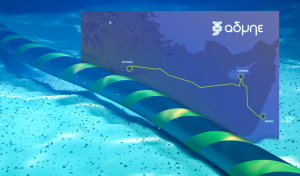
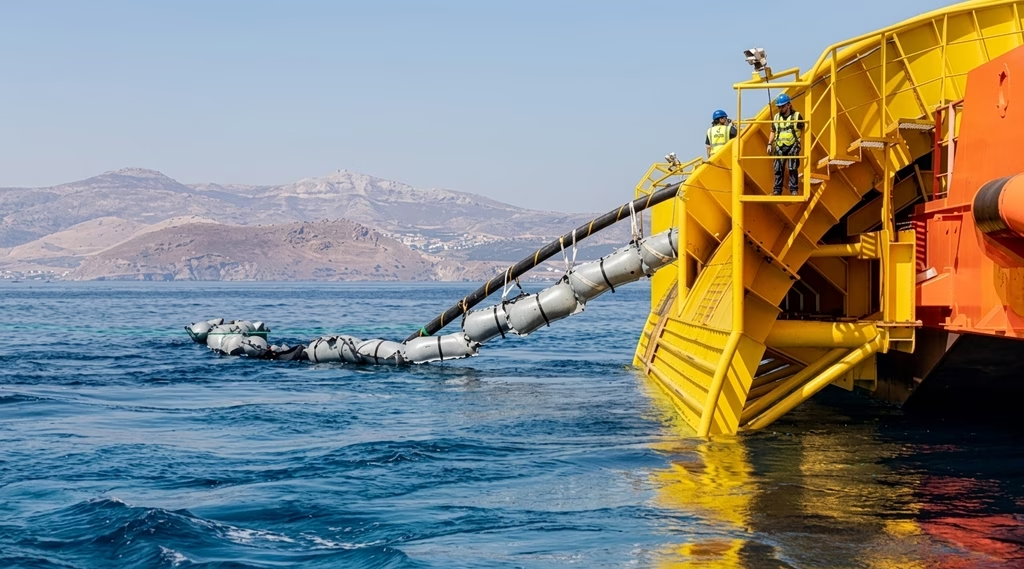
Asked why Turkey has opposed the Great Sea Interconnector, the electricity project linking Greece and Cyprus, Fidan denied that Ankara objected to the project itself.
“We have no objections. We discussed this with Prime Minister Mitsotakis and President Macron. My president raised the issue in New York during his meeting with Prime Minister Mitsotakis. He described the project as worthwhile, saying he would prefer that you buy electricity from us rather than transport it over a distance of 2,000 kilometers, spending more than 2 billion euros in European funding. I can supply water, electricity and natural gas from mainland Turkey, just 70 miles away, benefiting everyone: Greek Cypriots, Turkish Cypriots and the entire population. We have not yet addressed the issue of disputed waters in the Aegean. What we are asking is that when a vessel conducts surveys at sea, it sends us written notification, not merely verbal notification, stating: ‘We intend to carry out specific activities in this particular area. Here are the coordinates.’ That is all we are asking for. Nothing more. We do not want the status quo to be disturbed or a precedent to be established in an entirely inappropriate way that would create even greater problems for both sides. Let us not attempt to establish a new status quo. Under these conditions, we have no objections. We are positive.”
On the Blue Homeland Doctrine
Asked whether Turkey intended to proceed with legislation concerning its Blue Homeland doctrine, which outlines Ankara’s maritime claims, Fidan replied:
“There is no Blue Homeland bill. The issue of the marine park has not yet been discussed.”
Source: TA NEA