 Μake us preferred on Google
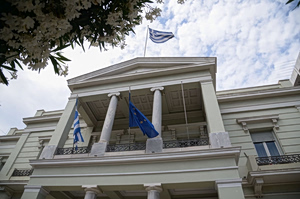
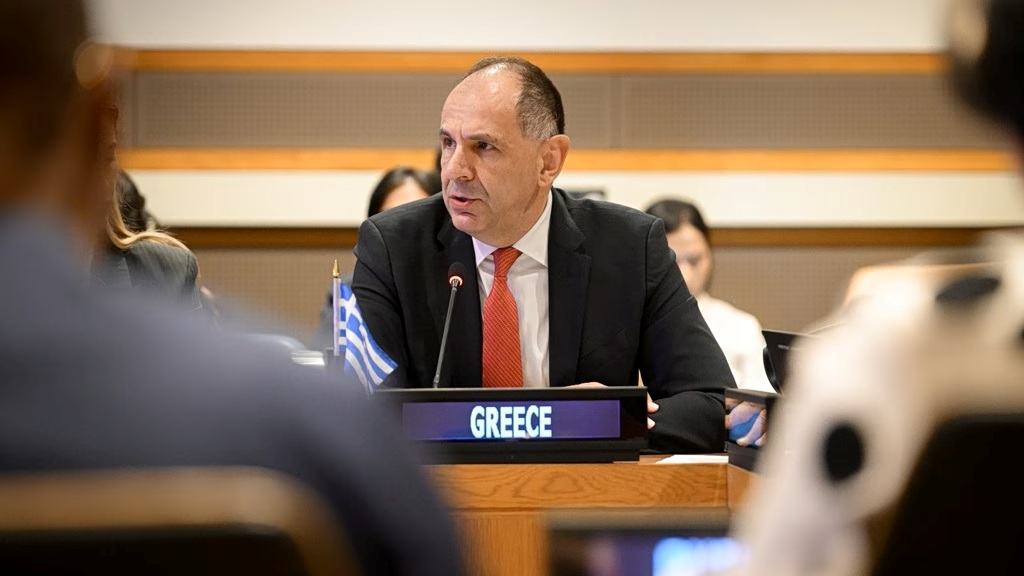
Greek Foreign Minister George Gerapetritis said Wednesday that the disputed maritime agreement between Turkey and Libya would not be implemented, dismissing claims that its approval by Libya’s eastern-based parliament amounted to a diplomatic defeat for Athens.
Speaking to Mega News 104.6 radio, Gerapetritis maintained that Tuesday’s vote did not alter the legal standing of the 2019 memorandum, which Greece and the European Union have opposed over its implications for the maritime rights of third countries. “There are no consequences whatsoever. The memorandum will not be implemented because it has no legal effects,” he said. “Its ratification adds nothing.”
His comments came a day after Libya’s House of Representatives unanimously approved the agreement signed between Ankara and Libya’s former Government of National Accord in November 2019. Lawmakers also overturned two resolutions adopted in 2020, one rejecting agreements signed with Turkey and another severing political relations with Ankara.
Athens Rejects Claims of Diplomatic Defeat
Gerapetritis argued that the western Libyan administration that signed the memorandum in 2019 lacked the authority to do so and accused Turkey of having worked for years to secure its approval by Libya’s parliament.
Asked whether Athens could have prevented Tuesday’s vote, he said the decision had been beyond the Greek government’s control. “It was not within Greece’s power to prevent it,” he said, warning those describing the development as a “national defeat” to be careful with the language they use.
The minister pointed to offshore exploration blocks designated south of Crete, in an area covered by the Turkish-Libyan memorandum, as an example of Greece exercising its maritime rights.
He also said the European Union had responded at the highest level and that further statements supporting the Greek position were expected. “There was an immediate response at the highest level from the EU. Further statements will follow. There will be unanimous support,” he said.
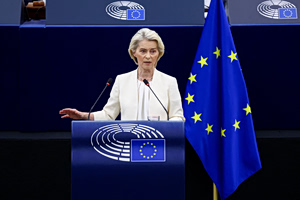
On Tuesday, European Commission President Ursula von der Leyen and European Council President António Costa expressed regret over the Libyan parliament’s decision, reaffirming the EU’s opposition to the agreement. In statements posted on X, both officials said the memorandum infringes on the sovereign rights of third countries, does not comply with the international law of the sea and is “null and void.” They also reaffirmed the EU’s solidarity with Greece and Cyprus and reiterated the bloc’s opposition to foreign interference in Libya.
Gerapetritis said he had already spoken with European counterparts and that Athens intended to use the diplomatic mechanisms available to it. He cited Greece’s role in European funding decisions and Turkey’s EU accession process.
The European Council has previously stated that the 2019 memorandum infringes on the sovereign rights of third countries, does not comply with the international law of the sea and cannot produce legal consequences for those countries.
Territorial Waters and Relations With Egypt
Asked whether Greece intended to extend its territorial waters, Gerapetritis reiterated that the government would determine when and how to proceed. “Greece will extend its territorial waters, but it will do so in the manner and at the time of its choosing,” he said.
He defended the government’s approach to foreign policy, saying its decisions followed a broader plan rather than being dictated by individual developments. “Greece does not react impulsively. It acts according to a plan,” he said.
The foreign minister also addressed relations with Egypt, which has opposed the Turkish-Libyan agreement. He said a recent conversation with his Egyptian counterpart had confirmed that Athens and Cairo shared the same understanding of the issue. “Greece and Egypt have an absolutely common understanding,” he said, adding that all 27 EU member states shared that position.
Greece-Cyprus Power Cable
Gerapetritis also addressed the planned electricity interconnection between Greece and Cyprus, rejecting suggestions that any agreement had been reached with Turkey concerning the project. “There is no understanding with Turkey concerning the cable,” he said, dismissing reports of possible French-Turkish discussions. He maintained that Greece was the only country whose authorization would be required for the surveys.
The minister noted that the project involved French interests and European funding and said Athens was prepared to respond to any developments. “Greece is prepared for any scenario,” he said.
Response to Samaras and Fidan
Gerapetritis also responded to criticism from former Prime Minister Antonis Samaras over the government’s handling of relations with Turkey. He said Samaras was entitled to make whatever demands he considered appropriate but accused the former prime minister of “deep-seated intolerance.” The minister rejected Samaras’ characterization of the Libyan vote as a national defeat, arguing that he should have condemned the Turkish-Libyan agreement rather than the Greek government.
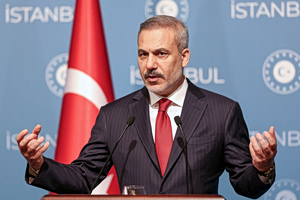
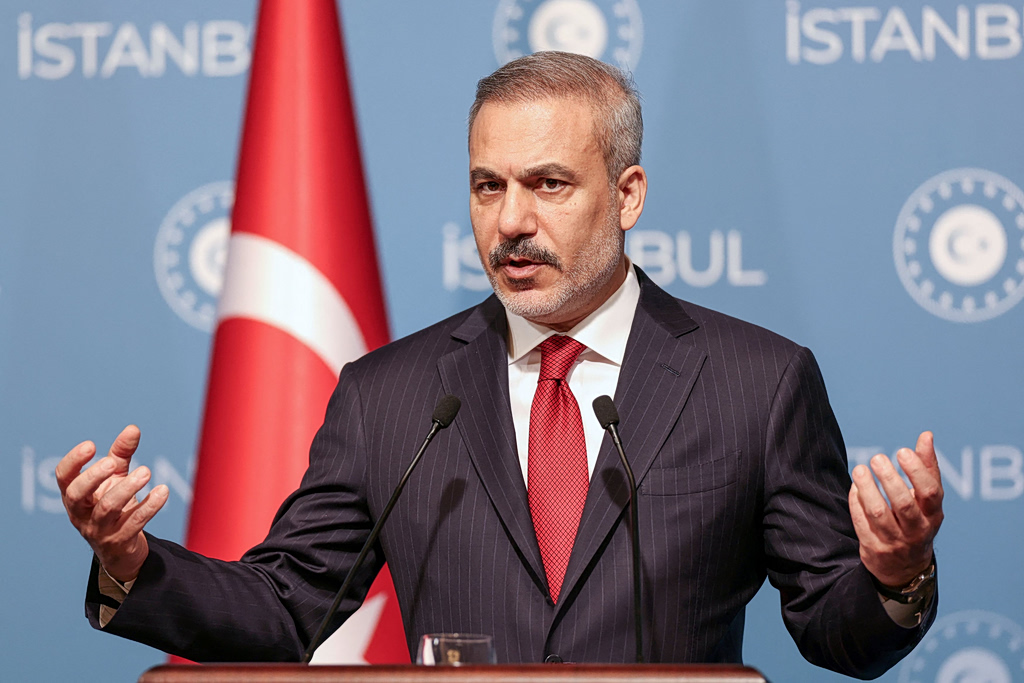
Addressing remarks by Turkish Foreign Minister Hakan Fidan, Gerapetritis said his counterpart should first direct his criticism toward Turkish policy. He reiterated that Athens sought dialogue with Ankara but expressed concern about what he described as increasingly aggressive rhetoric in Turkish media. “What I see is that the Turkish media are putting pressure on the Turkish government,” he said. “I see an escalation in aggressive rhetoric against Greece.”
Relations With Washington
Asked about the dismissal of U.S. Ambassador Kimberly Guilfoyle, Gerapetritis said the Greek government had followed diplomatic protocols while maintaining communication with the U.S. Embassy in Athens. “The United States is not just another country. That is why we wanted to keep channels open,” he said, adding that the approach had worked to Greece’s benefit. “Greece and the United States are following a path that is mutually beneficial,” he said.