
 Μake us preferred on Google
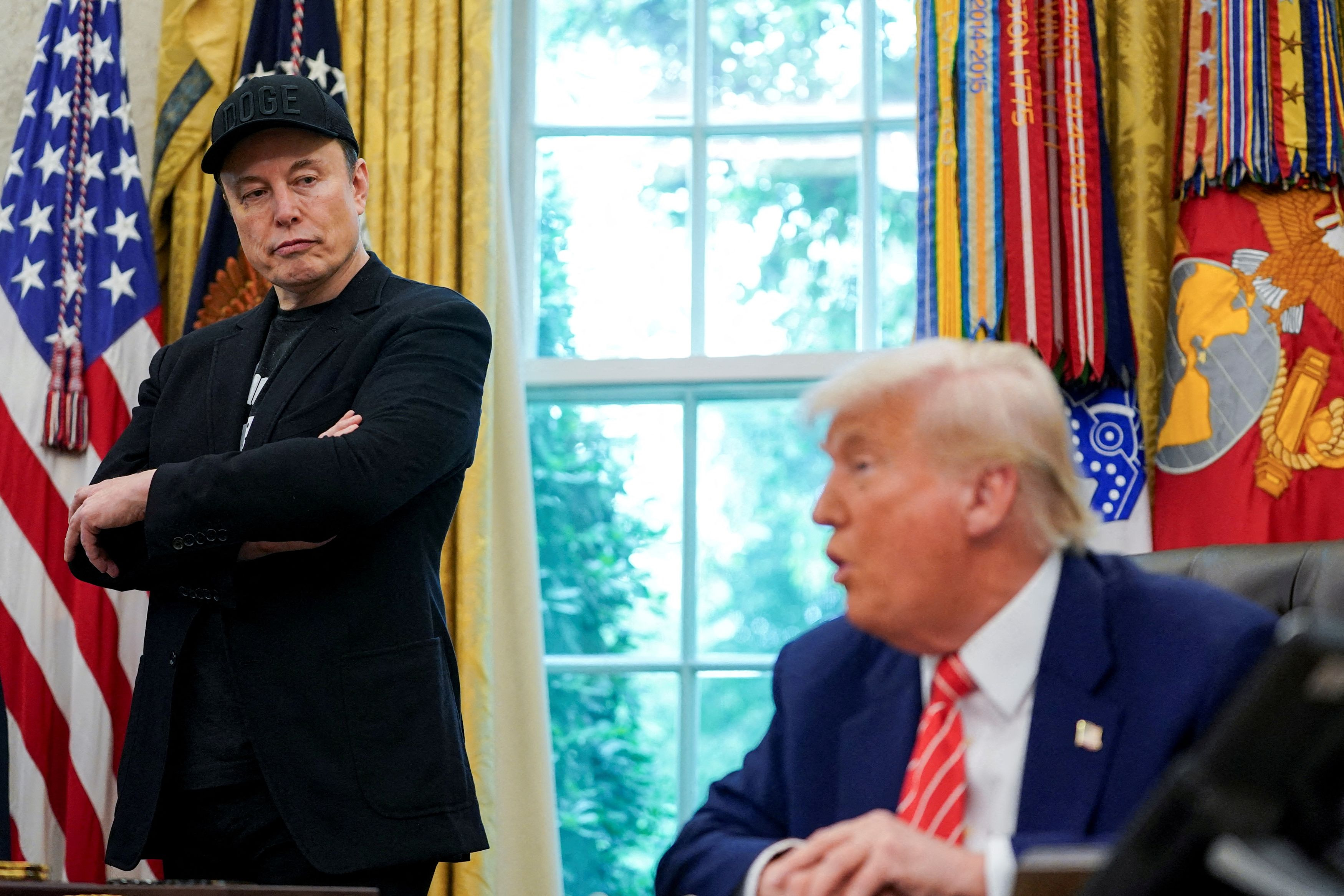
WASHINGTON— Elon Musk ordered the slowdown of a military-grade version of Starlink relied on by Ukraine, a decision that sparked panic in Kyiv and confusion inside the Trump administration, U.S. officials and people familiar with the matter said.
Both Musk and President Trump have expressed anger at Ukraine for attacking Russian diesel refineries in recent weeks, which the president blames for high energy prices. Last week, Musk capped the speeds at which Ukrainian hardware could stay connected to the satellite-based network, the people said, rendering some offensive drones and interceptor drones virtually useless.
Musk and Trump discussed the Starlink decision in a call soon after the slowdown became public, while the president was campaigning last week, two of the people said. One of the people also claimed Musk and Trump discussed the matter prior to the decision to throttle Starlink.
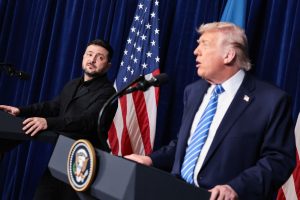
Ukrainian President Volodymyr Zelensky’s public complaints —namely that Ukrainians could die if the unrestricted service wasn’t restored—led to widespread confusion about who ordered the slowdown, and to an informal investigation inside the White House.
During the uproar, SpaceX representatives called White House counterparts seeking a unified understanding and subsequent message that the company and Trump administration coordinated ahead of Musk’s directive, the people said.
Musk himself posted on X hours after the slowdown became public, “Any limits on speed or usage are decided by the US military and ultimately POTUS,” using the acronym for president of the United States. Trump told reporters Monday that he didn’t know who was responsible for the Starlink slowdown, “but I would like to find out.”
Some U.S. officials say that Musk acted unilaterally and that Trump didn’t specifically order any retribution against Ukraine. But a person familiar with the situation said Musk talked to multiple senior administration officials, including with Trump, before imposing the new speed cap, which Ukrainian officials said had allowed Russian missiles to evade their defenses.
The slowdown, which began on Oct. 14, followed several announcements and statements by the Trump administration that Ukrainian officials saw as hostile to Ukraine, including criticism of Zelensky from Trump and Musk. That led Kyiv to immediately suspect the order came either from the president or the world’s richest man.
The episode has spiked U.S.-Ukraine tensions to their highest level since Trump berated Zelensky in the Oval Office last year. But it has also highlighted the singular influence of Musk over the war, as Starlink provides a lifeline for Ukrainian forces on the front lines attacking Russian troops and defending themselves from strikes. With a seeming flick of a switch, Musk has the power to alter the course of a deadly conflict.
Michael Kofman, an expert on the war at the Carnegie Endowment for International Peace in Washington, said, “Ukrainian forces continue to be throttled in their ability to employ strike drones and interceptor drones to 160 kilometers [99 miles] per hour, but the current connection is below 130 kilometers per hour, and the limits continue to hamper Ukrainian strike operations and air defenses.”
Ukraine’s top diplomat in Washington, Denys Sienik , said Tuesday that Ukraine was still “waiting for the official response from contacts with the Pentagon and SpaceX at the leaders level to understand what has happened, but also to understand whether the connection has been restored or will be restored.”
SpaceX didn’t respond to a request for comment.
Zelensky also has accused the Trump administration of temporarily cutting intelligence support that helped Ukraine’s forces to track Russian missile launches and strike deep into its enemy’s territory. But Trump and others denied that happened, with Secretary of State Marco Rubio telling reporters Tuesday that such claims are “not true.” Rubio, who earlier in the day spoke with Zelensky on the phone, later acknowledged “there’s no doubt” about rising tensions between Washington and Kyiv.
Defense Secretary Pete Hegseth said Tuesday that “we haven’t pulled anything back,” but “Starlink has the option to make decisions concerning its terms of service.” He told reporters in Eau Claire, Wis.,: “We haven’t made any directives or anything like that.”
Zelensky traveled to Norway on Tuesday for discussions with Trump envoy Steve Witkoff and two other leaders about ending the war.
Trump and Musk’s animosity toward Zelensky has grown in recent weeks, as the president looks to lower diesel prices ahead of November’s midterm elections. While Trump blames Ukraine’s attack on Russia’s energy facilities for the elevated prices, most analysts say the Iran war has had a greater impact.
On Oct. 10, just days before Starlink speeds slowed, Trump said he told Zelensky, “‘You can do whatever you want to Russia, but don’t hit the refineries because that’s a world problem.’ And what does he do? He goes and hits the diesel fuel. He better damn well stop.”
Musk responded to a White House video of those remarks on X: “Zelensky has gone too far.” Four days later, Ukrainian drone operators reported that they were losing unrestricted access to the Starlink network for unexplained reasons, leading to the urgent requests from Kyiv for an explanation.
Write to Alexander Ward at alex.ward@wsj.com , Natalie Andrews at natalie.andrews@wsj.com and Josh Dawsey at Joshua.Dawsey@WSJ.com