 Μake us preferred on Google
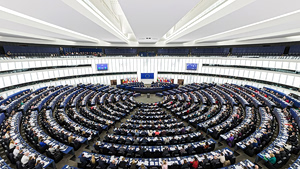
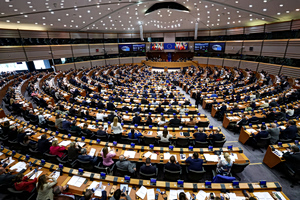
 The European Parliament voted Tuesday to eliminate a provision that would have allowed the EU to temporarily suspend its carbon border levy in cases where it drives up the cost of imported goods, setting the stage for a conflict with EU member states that favor keeping such an emergency mechanism in place.
The carbon border levy, which took effect January 1, applies CO2 emissions fees to imports like steel and fertilizers, aiming to prevent these products from undercutting European-made goods, since domestic industries already bear costs tied to their carbon emissions.
Lawmakers voted to strip out language that would have permitted the EU to temporarily exempt certain goods from the levy if “serious and unforeseen circumstances” caused their prices to spike. In its place, they proposed a different approach: using revenue generated by the border fee itself to compensate industries in the event the policy leads to higher prices.
The European Parliament and EU member states will now negotiate final terms of the legislation, which will also broaden the levy to cover additional products, including washing machines and car components.
EU countries, however, want to retain the ability to suspend the carbon fee under specific conditions, such as cases where a product’s price rises more than 50% within a six-month period.
The European Commission originally proposed this emergency suspension mechanism last year, following pressure from France to pause the carbon fee on fertilizers in order to ease costs for farmers. The proposal has since become contentious, with some companies cautioning that it could undermine investment in low-carbon technology and ultimately harm the very domestic industries the border levy was designed to shield from cheaper foreign competition.
Closing Aluminum Loopholes
Separately, EU lawmakers voted to expand the carbon border fee’s reach by lowering the threshold for aluminum shipments subject to the levy, from the current 50-metric-ton threshold down to just 5 tons. The change is intended to ensure the fee applies to smaller but high-value aluminum components used in cars, doors, and solar panels, which previously could slip through under the higher threshold.
Lawmakers also approved extending the levy to include post-consumer aluminum scrap, which had not been covered under the original rules. That gap had raised concern among European aluminum producers, who feared foreign suppliers might increasingly rely on scrap materials specifically to sidestep the EU’s border fee, gaining a cost advantage over companies operating within Europe.
Paul Voss, director general of the industry group European Aluminium, warned that without addressing these loopholes, European companies risk being severely undercut by foreign competitors exploiting the gaps.
Source: Reuters