 Μake us preferred on Google
 Global hunger declined for the third consecutive year in 2025, with improvements recorded across every continent, according to a new United Nations report. However, the UN warned that climate change, geopolitical tensions and disruptions to global trade could jeopardize the positive trend.
The State of Food Security and Nutrition in the World report, prepared jointly by five UN agencies, estimates that around 645 million people—or 7.8% of the world’s population—experienced hunger in 2025. That marks an improvement from 8.1% in 2024 and 8.6% in 2022.
The report projects that global hunger will continue to decline by 2030, although experts caution that significant risks remain.
Asia leads progress as Africa sees modest improvement
The largest gains were recorded in Asia, particularly in India, alongside improvements in Latin America and the Caribbean. Several African countries also began reversing years of worsening food insecurity.
NEWSLETTER TABLE TALK
Never miss a story.
Subscribe now.
The most important news & topics every week in your inbox.
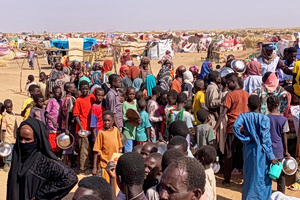
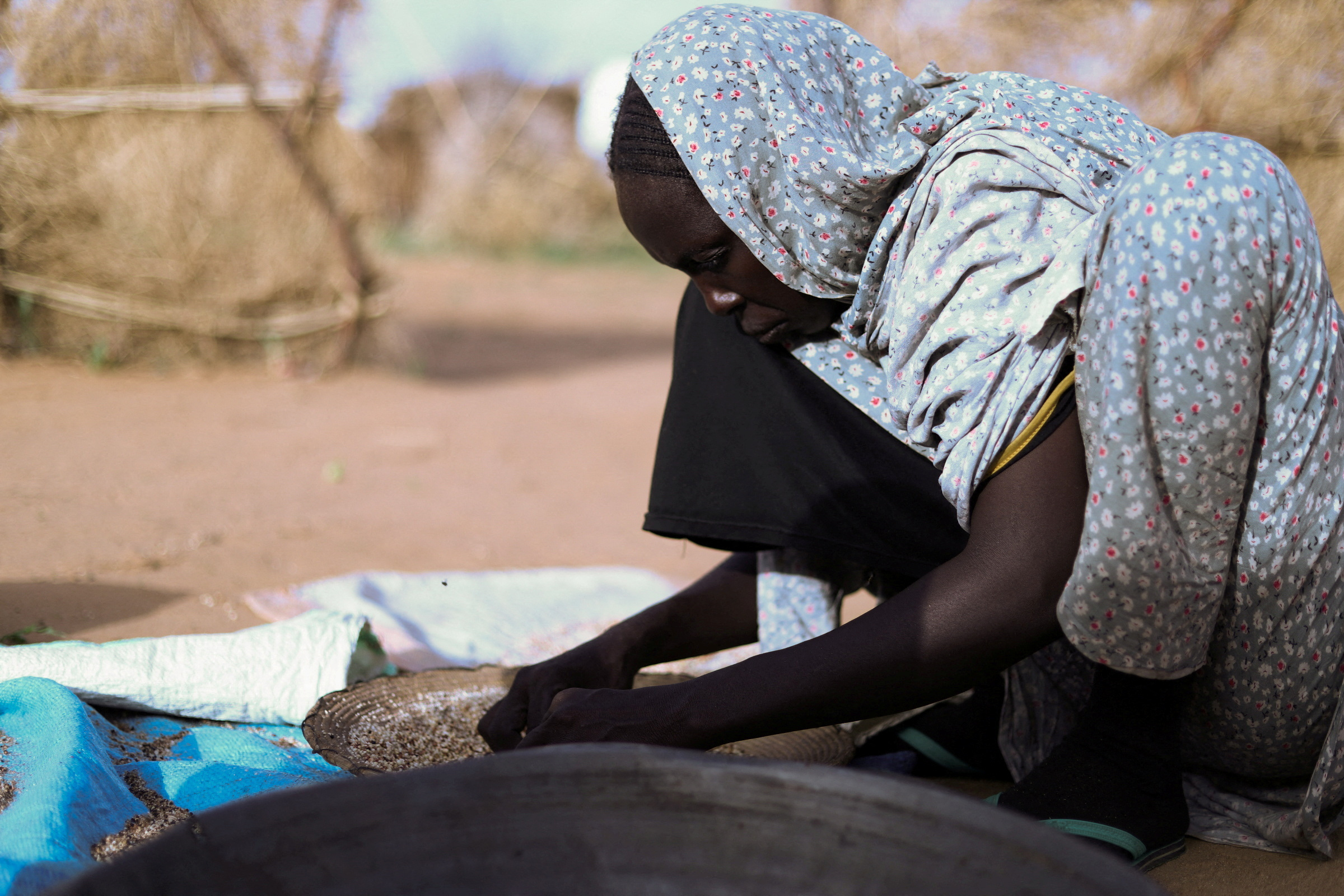
Despite this progress, Africa remained the region most affected by hunger, with 309 million people—roughly one in five Africans—experiencing undernourishment in 2025.
According to FAO Chief Economist Máximo Torero, this is the first year in which hunger rates declined across all continents, including Africa, albeit only slightly.
Climate and trade disruptions threaten gains
The report warns that several emerging risks could reverse recent progress.
Among the most immediate concerns are disruptions affecting shipping through the Strait of Hormuz, a critical route for energy supplies and agricultural inputs. Higher fuel, fertilizer and transportation costs are increasing food production expenses worldwide.
The UN also highlighted the possibility of a strong El Niño weather pattern, which could disrupt agricultural production in vulnerable regions and place additional pressure on global food systems.
Torero said these factors create uncertainty despite the encouraging downward trend in hunger.
India drives regional improvements
India accounted for much of Asia’s progress, with hunger levels falling below 10% thanks to targeted welfare programs and increased agricultural productivity.
The report also highlighted encouraging developments in several African countries, including Ethiopia, Tanzania, Zimbabwe, Senegal and Zambia, while the Dominican Republic is no longer classified on the global hunger map.
Regarding Gaza, Torero said the conflict has not significantly altered the report’s global hunger estimates because they measure chronic undernourishment rather than acute food insecurity caused by wars or disasters. He added that although food deliveries have recently increased, rebuilding agricultural infrastructure in the territory will take years.
Healthy diets remain unaffordable for billions
Despite the decline in global hunger, the report found that malnutrition continues to pose major challenges.
Child malnutrition remains persistently high, anaemia among women is worsening, and adult obesity continues to rise.
Access to healthy food also remains out of reach for much of the world’s population. According to the report, 2.69 billion people cannot afford a healthy diet, estimated to cost an average of $4.28 per day in purchasing-power-parity terms.
The affordability gap is particularly severe in Africa, where 66.1% of the population cannot afford a nutritious diet—more than double the levels recorded in Asia and Latin America.
The report concludes that while global hunger is moving in the right direction, sustained progress will depend on strengthening food systems, improving infrastructure and protecting supply chains from climate-related and geopolitical disruptions.