 Μake us preferred on Google
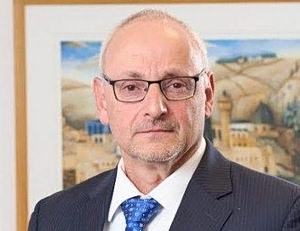
 Israel will destroy all homes in Lebanese villages near its northern border and prevent hundreds of thousands of displaced residents from returning until security conditions are met, Defence Minister Israel Katz said on Tuesday.
He said Israel plans to establish a “security zone” inside southern Lebanon following the conclusion of its military operation against Hezbollah, extending Israeli security control up to the Litani River.
Border villages targeted under proposed security plan
Katz said the plan would involve maintaining control over territory stretching to the Litani River, which lies roughly 30 kilometres north of the Israeli border and forms a significant geographic marker in southern Lebanon.
He added that displaced residents would not be allowed to return to areas south of the river until Israel determines that security for its northern communities is fully guaranteed.
Destruction of homes described as “Rafah model”
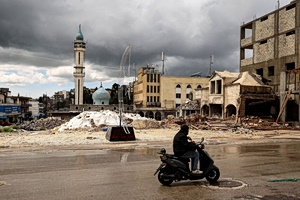
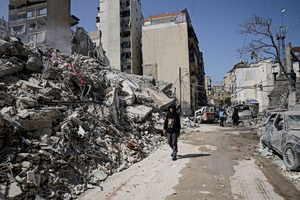
The defence minister said all houses in villages close to the border would be destroyed, describing the approach as similar to military operations carried out in Rafah and Beit Hanoun in Gaza.
According to Katz, the aim is to remove what Israel considers long-term security threats from the border area and prevent future attacks on northern Israel.
Ongoing conflict with Hezbollah
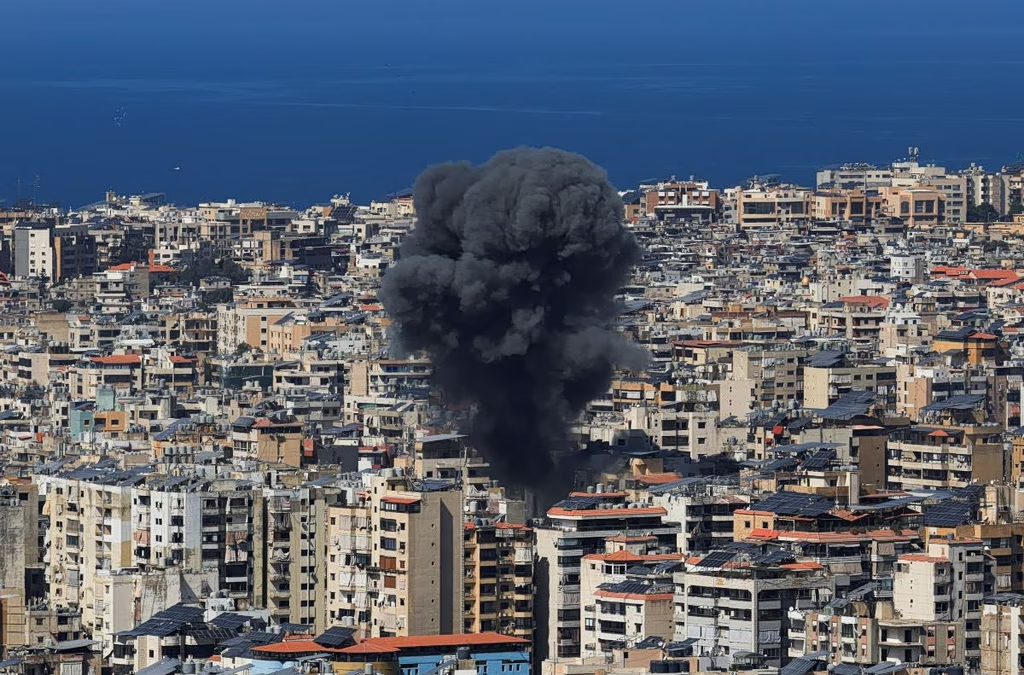
Israel’s military said the campaign targets Hezbollah infrastructure and fighters, including elite Radwan units operating in southern Lebanon. Katz said these forces would be eliminated and weapons destroyed as part of the operation.
Israeli military spokesperson Lieutenant Colonel Nadav Shoshani said Hezbollah has fired nearly 5,000 rockets, missiles and drones at Israel during the conflict.
Heavy displacement and casualties reported
The fighting has led to large-scale displacement in Lebanon, with more than 1.2 million people forced to leave their homes and over 1,200 killed since the offensive began, according to figures cited in the report.
Lebanon’s health ministry said the casualties include 124 children and 52 medical workers.
Israeli military figures also reported that 10 soldiers have been killed in the fighting, while sources cited by Reuters said more than 400 Hezbollah fighters have also died.
Regional tensions continue to escalate
The conflict marks the second major war between Israel and Hezbollah since 2024, with Israel previously inflicting heavy losses on the group, including the killing of its leader Hassan Nasrallah.
Hezbollah, founded in 1982 by Iran’s Revolutionary Guards, has played a central role in regional hostilities, and the latest escalation has further intensified tensions along Israel’s northern frontier.