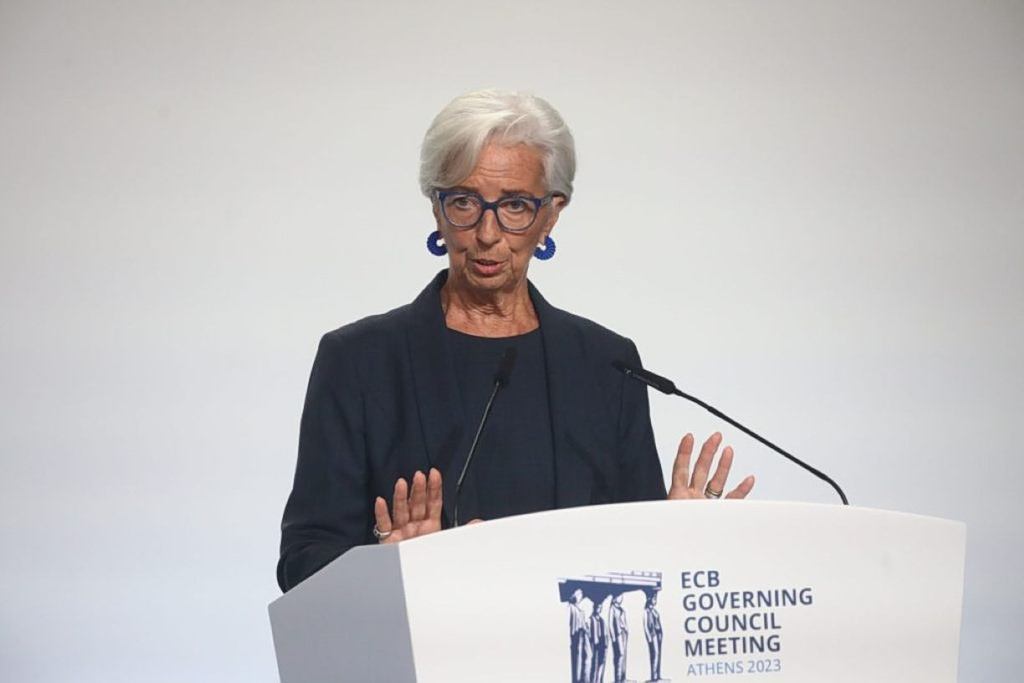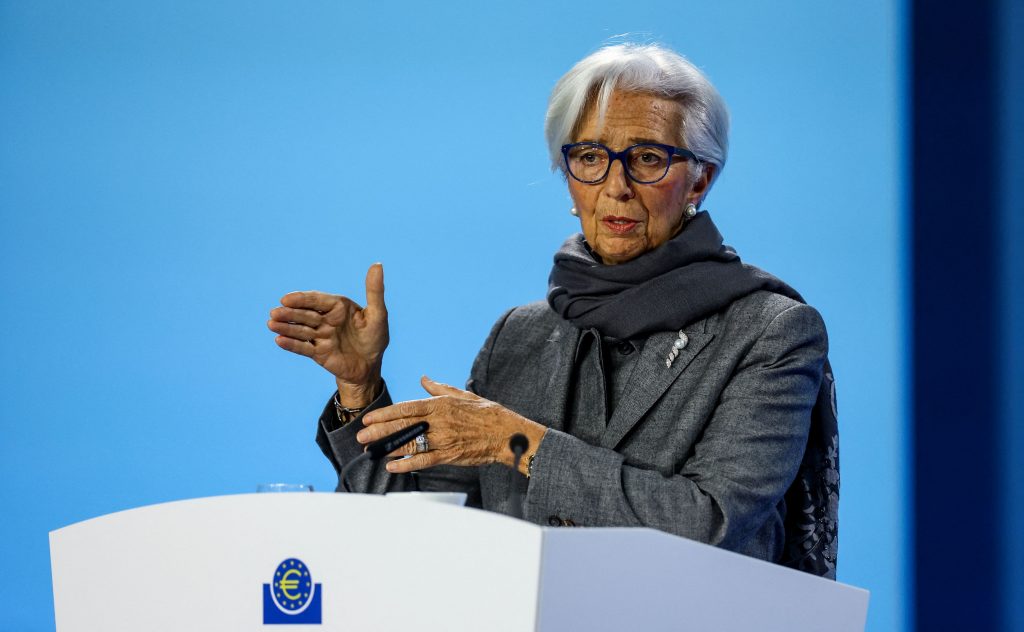
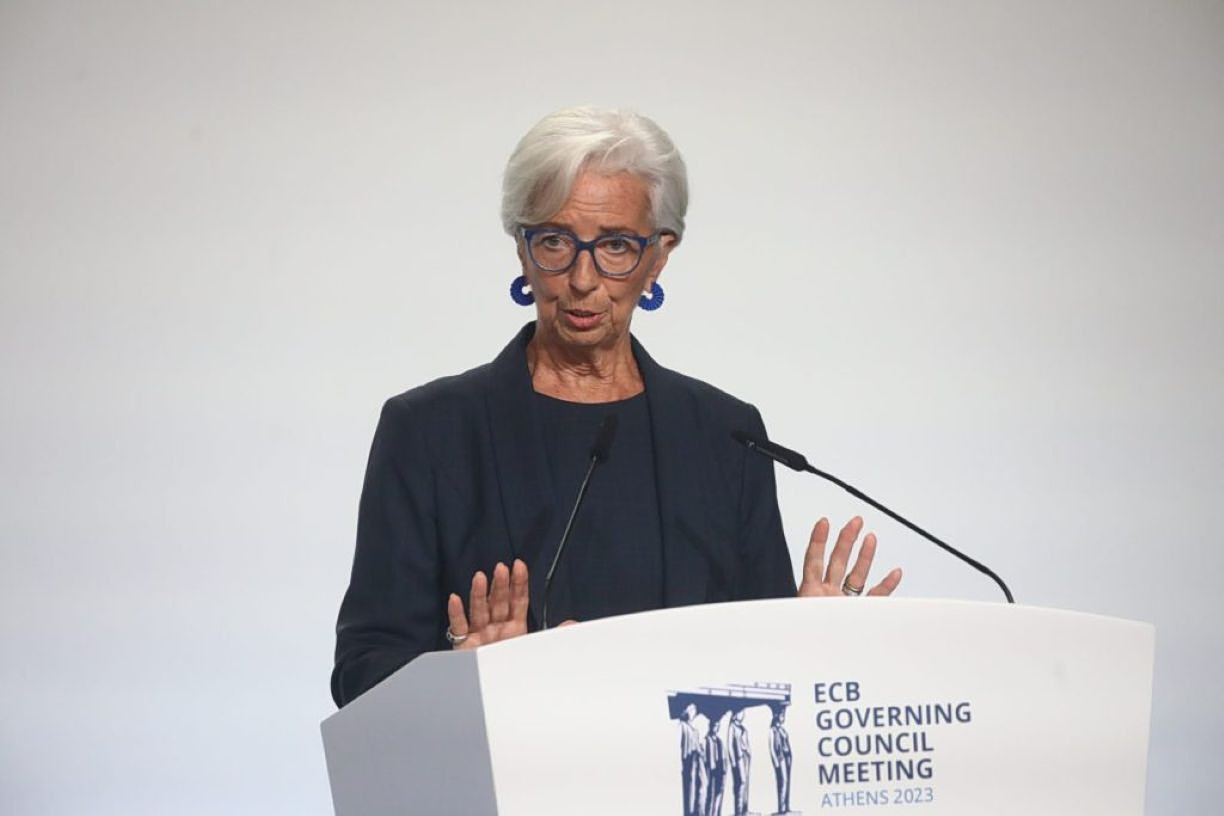
A report by the Financial Times that the incumbent European Central Bank (ECB) president, Christine Lagarde, is considering stepping down from her post, apart from causing some jitters in the EU currency exchange rate (the euro recorded a slight 0.16% drop against the US dollar in the morning), has also raised questions about the motives behind her possible departure.
The office of Christine Lagarde was swift to outrightly deny the speculation, commenting: “President Lagarde is totally focused on her mission and has not taken any decision regarding the end of her term.”
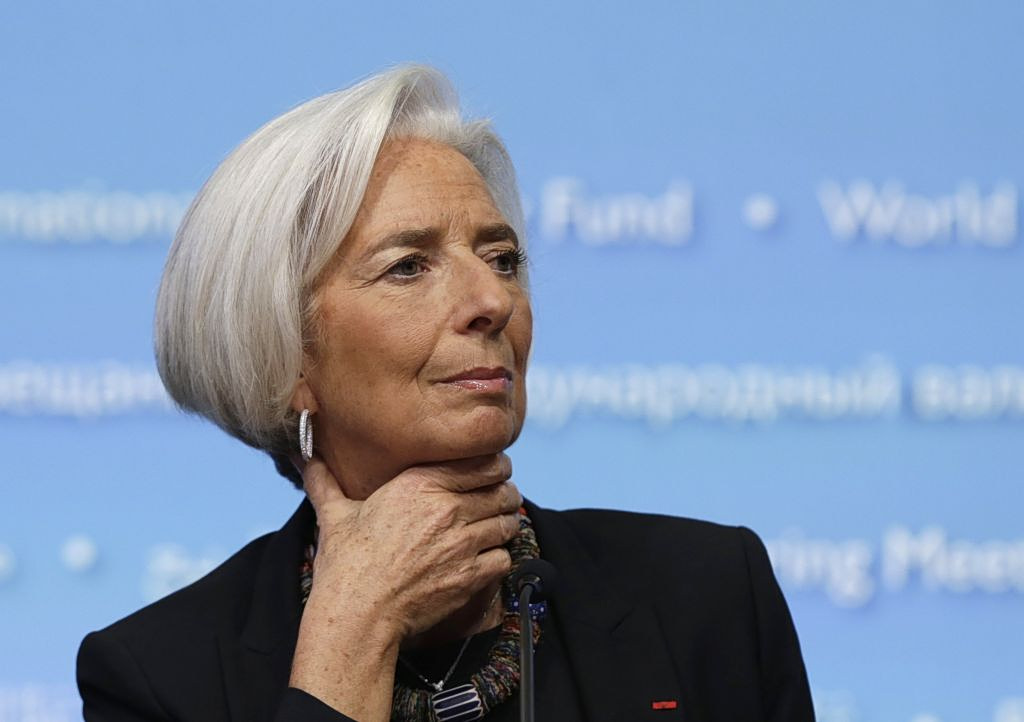
ECB President Christine Lagarde
However, this time, the main interest was the timing of the rumors about her potential departure and whether her decision to step down might be influenced by domestic French politics, ahead of the 2027 Presidential elections, or even broader European power politics.
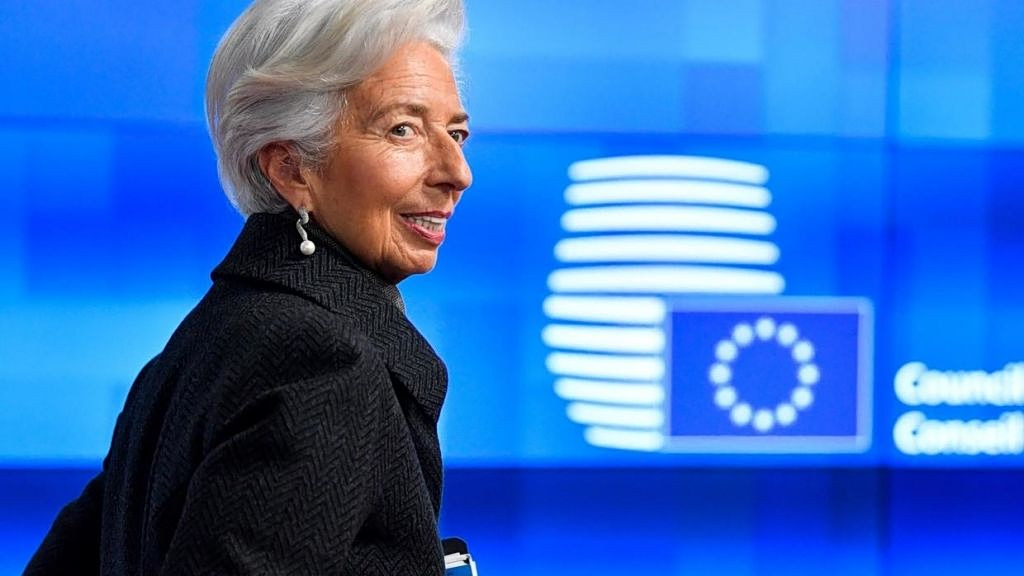
ECB President Christine Lagarde ready to exit?
According to the FT report, the central banker wants to allow the leaders of France and Germany time to reach a joint decision on her successor, thus preventing the appointment of a Eurosceptic central banker in the event far-right political parties gain an even stronger foothold in French and German politics.
French President Emmanuel Macron, who is constitutionally barred from seeking a third term, is reportedly keen to have a say in the selection of the next ECB president at a time when Europe’s political landscape is considered particularly sensitive.

French President Emmanuel Macron
The two far-right and populist parties in Germany and France, the Alternative for Germany party (AFD), and Le Pen’s National Rally (NR), respectively, are surging in the polls in the largest EU member states.
Macron seeks to erect “guardrails” against the far-right populist policies, fearing they would upend the EU’s fiscal and economic policies, opting instead to adopt a more protectionist stance.
Marine Le Pen, leader of the far-right National Rally (RN), is leading opinion polls ahead of the presidential vote, which begins in April 2027, just months before Lagarde’s scheduled departure.
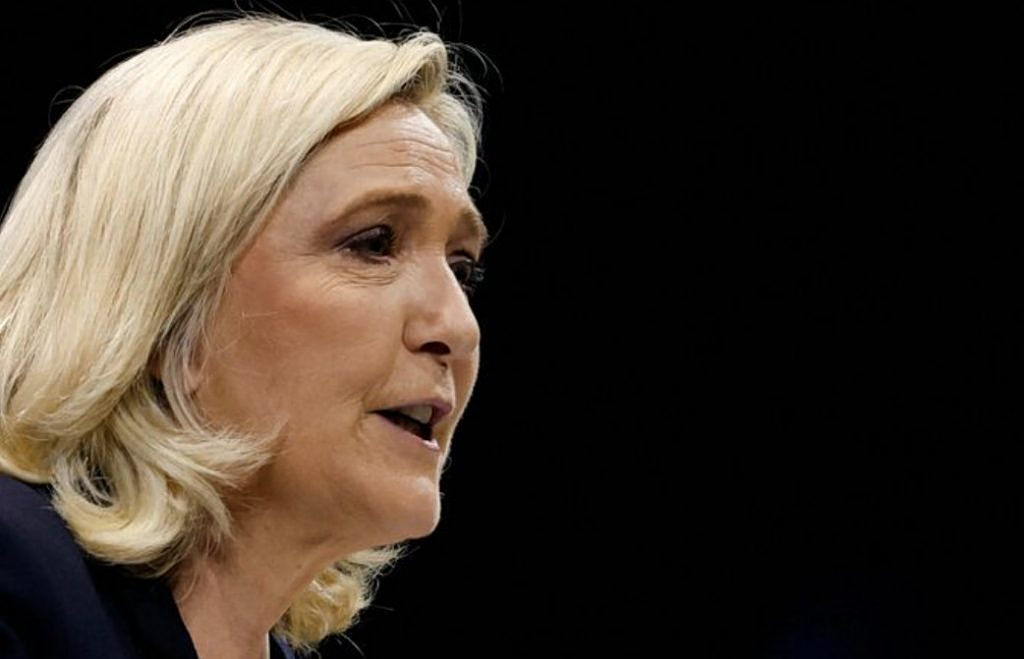
Marine Le Pen
If she is unable to run due to her judicial conviction, she could be replaced by her protégé, Jordan Bardella.
While Le Pen has shifted from earlier calls to exit the euro, the party has criticized ECB policy and previously advocated a return to aggressive quantitative easing.
Bardella has suggested the central bank should do more to ease France’s debt burden — rhetoric that concerns European policymakers wary of political pressure on monetary independence.
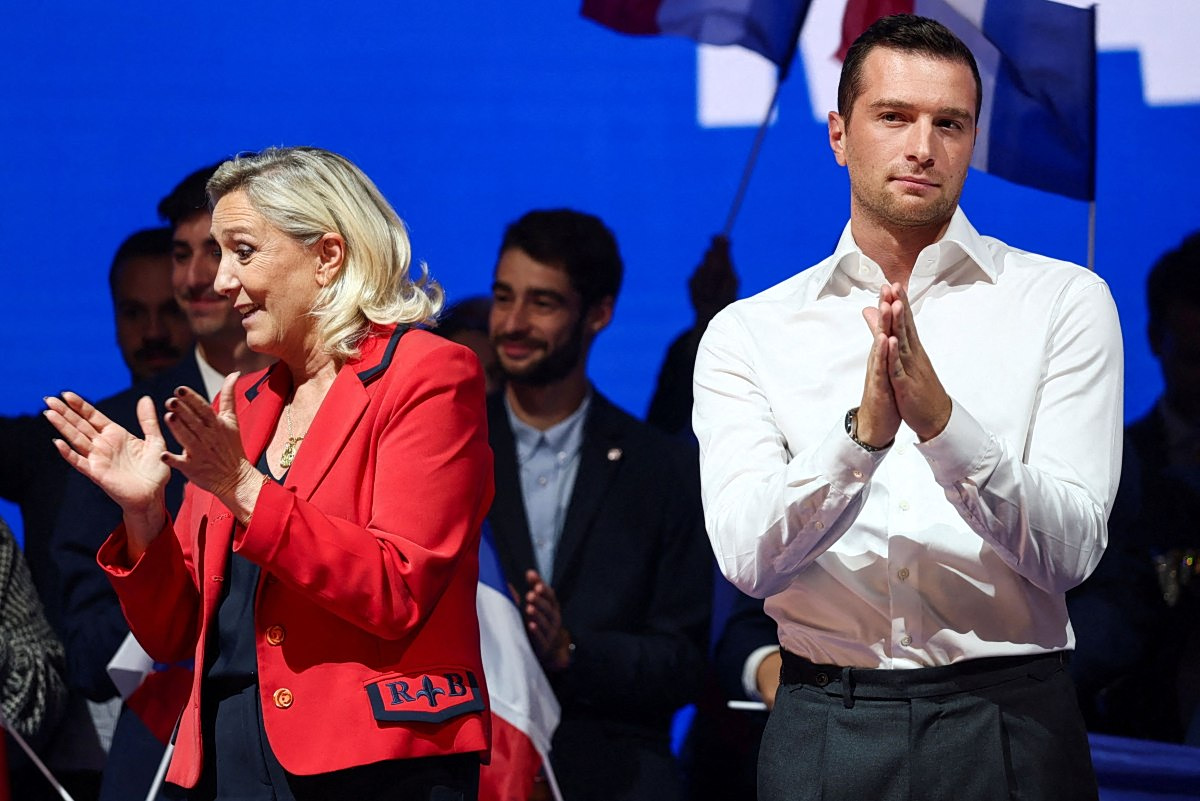
Marine Le Pen with protege Jordan Bardella
If her far-right party manages to win the national vote, Macron and the German Chancellor of the CDU, Friedrich Merz, who is also struggling in polls against the rising far-right Alternative for Germany party (AFD), will be unable to influence the selection of the new ECB head.

German Chancellor Friedrich Merz
Both Le Pen’s National Rally (NR) party and the German AFD are known for their Eurosceptic positions, which analysts believe could strain relations with European institutions.