
 Μake us preferred on Google
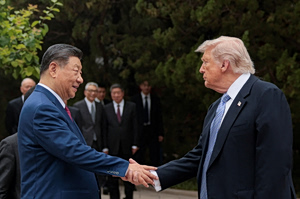
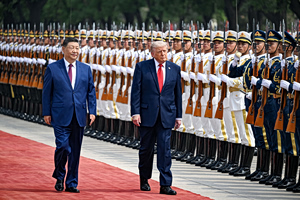
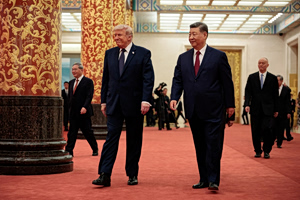
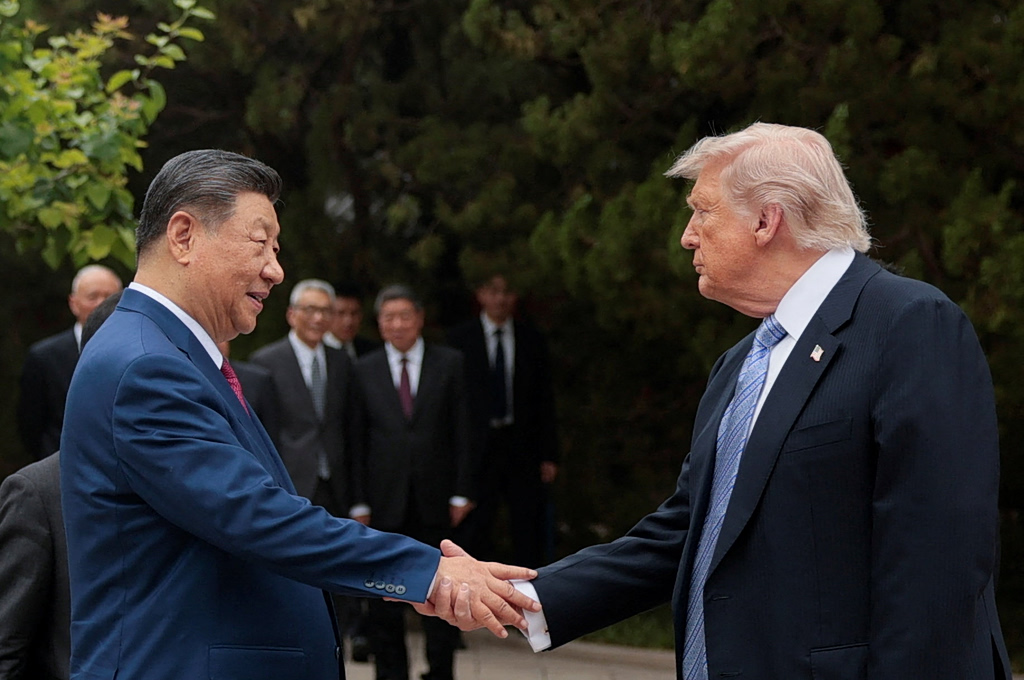
 Friday morning marked the conclusion of Trump’s visit to China. The final day included a private meeting with Xi Jinping at the Zhongnanhai government compound, followed by a formal working lunch.
After the meetings wrapped up, Trump described the talks as resolving “a series of complex issues,” called the relationship between the two leaders “strong,” and announced that Xi would visit the United States in September.
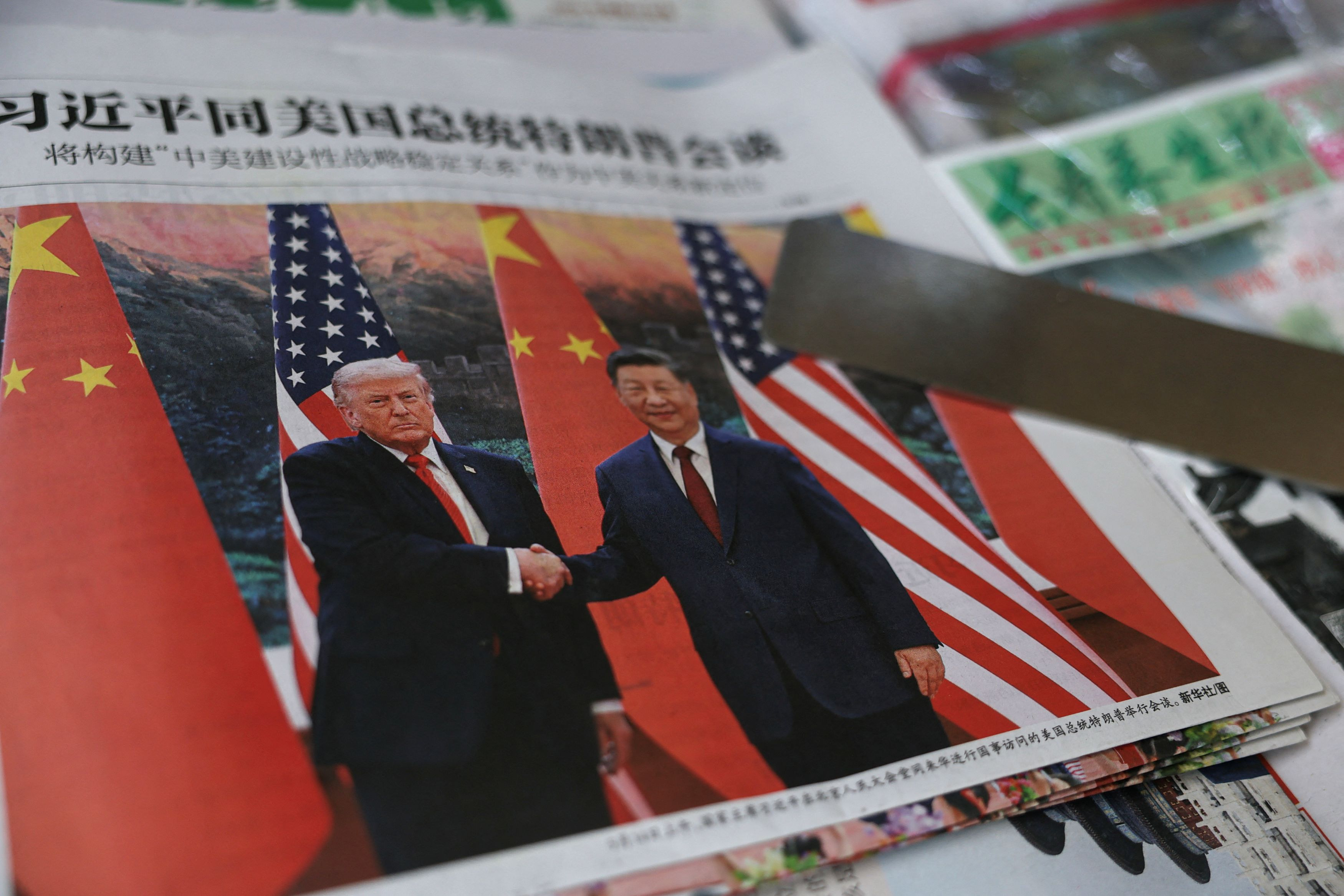
China’s state media carried Xi Jinping’s statement in full. The Chinese president described the visit as “a historic and landmark visit,” saying the two sides had “defined a new positioning for a constructive, strategic, and stable relationship between China and the United States,” reached significant common ground on stabilizing economic and trade ties, expanding practical cooperation across various sectors, and agreed to strengthen communication and coordination on international and regional issues.
Xi added that the Trump’s visit to China demonstrated once again that the two countries are willing to pursue peaceful coexistence and mutually beneficial cooperation grounded in mutual respect, and that both countries can advance their development and rejuvenation by deepening collaboration.
Two Perspectives on Iran
Escalating tensions in the Middle East and the security of international shipping lanes were at the core of the summit talks between the U.S. and Chinese leaders. Both sides expressed serious concern over the ongoing instability in the region, focusing on the need to restore normal passage through the Strait of Hormuz and on preventing Iran from developing nuclear weapons.
China’s Foreign Ministry, in an official press release, stressed the need for an immediate diplomatic resolution, stating that maritime routes must be reopened as soon as possible, as the international community demands, and that a comprehensive and lasting ceasefire should be implemented at the earliest opportunity. “This war, which should never have happened, has no reason to continue,” the statement read.
For his part, Trump spoke at length about his discussions with the Chinese leadership on the matter, pointing to a convergence of views between Washington and Beijing.
“We talked about Iran. We have a very similar view on Iran. We want it to end, and we don’t want them to have nuclear weapons. We want the Strait open. Right now we’re closing it. They closed it and we closed it on top of them. But we want the Strait open, and we want them to stop, because it’s crazy. They’re a little crazy, and that’s not good. It can’t happen. They cannot have a nuclear weapon. But we talked about a lot of other things too, and I think we agree to a large extent,” Trump said.
Rose Diplomacy at Zhongnanhai
During a stroll the two leaders took through the former imperial Zhongnanhai compound, a secluded complex of lakes and pavilions where China’s leadership resides, the American president expressed his admiration for the flowers on the grounds, calling them “the most beautiful anyone has ever seen.”
In response, President Xi Jinping formally offered to send Trump seeds from those very roses. The gesture carries particular symbolic weight: after winning his second term, Trump had ordered a sweeping renovation of the White House Rose Garden, replacing its traditional lawn with a stone terrace and umbrella-shaded tables.
The Official Lunch Menu
Following their discussions, the two leaders sat down to a formal lunch. According to a White House official, the menu featured minced cod in seafood broth, crispy sauteed lobster balls, pan-seared beef tenderloin stuffed with morel mushrooms, kung pao chicken with scallops, braised seasonal vegetables, bamboo shoots, mushrooms and green beans, braised beef in a bun, and steamed pork and shrimp dumplings.
Dessert consisted of chocolate brownies, fresh fruit, and ice cream, served alongside coffee and tea.