 Μake us preferred on Google
 The United States and Iran released the text of an interim agreement on Wednesday aimed at ending their war, with both presidents signing a memorandum that extends a ceasefire and opens the way for 60 days of negotiations toward a permanent truce.
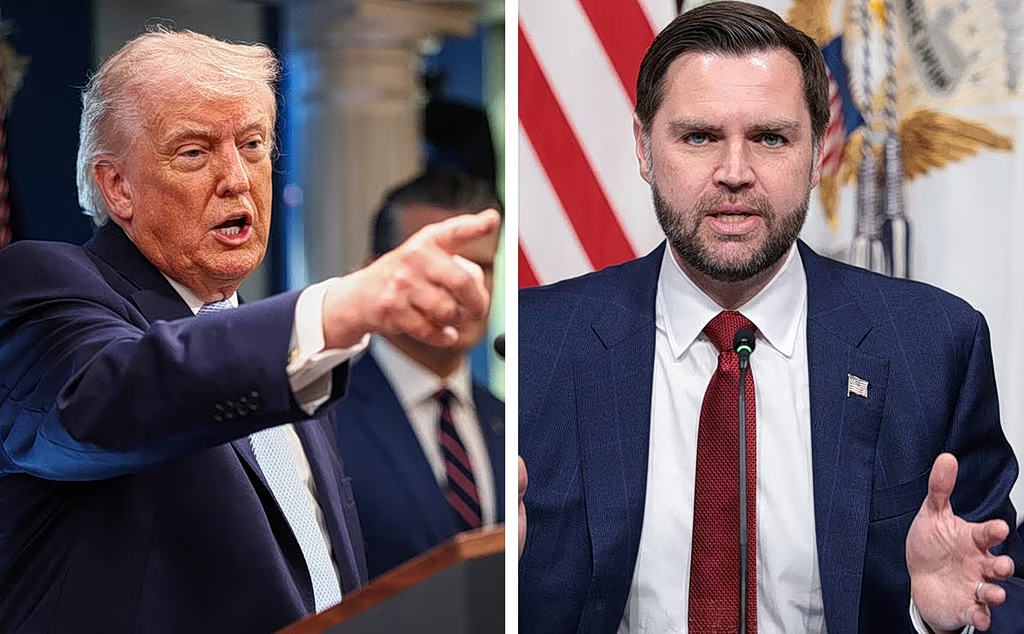
U.S. President Donald Trump, attending the G7 summit in France, signed the agreement while warning that military action could resume if Iran violates its commitments.
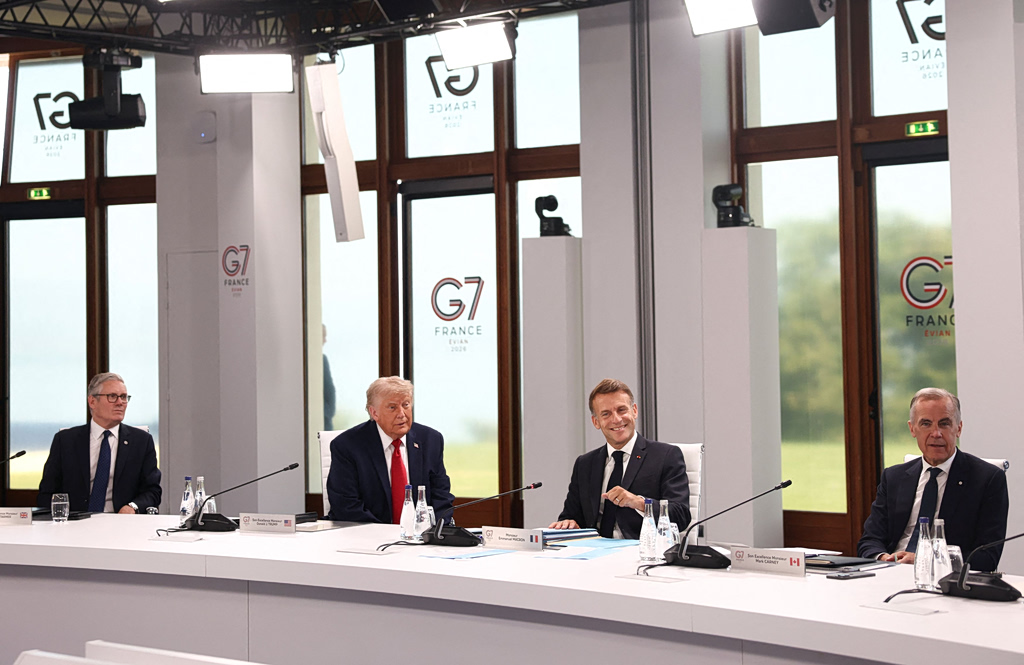
U.S. President Donald Trump, French President Emmanuel Macron, British Prime Minister Keir Starmer and Canadian Prime Minister Mark Carney attend a working session with G7 leaders and outreach partners on promoting economic growth during the G7 Summit in Evian-les-Bains, France, June 17, 2026. REUTERS/Evelyn Hockstein
“We’re going to bomb the hell out of them if they violate the agreement,” Trump told reporters. “I don’t want them to. I want them to honor the agreement.”
He added that Iran was made up of “smart people” and said he hoped the agreement would bring peace to the Middle East and help lower oil prices.
Earlier, Trump had issued a stronger warning, saying that if Iran failed to comply, the U.S. could return to military action.
Iranian officials did not publicly respond to Trump’s comments, instead celebrating the agreement as a major achievement. Iran’s lead negotiator Mohammad Baqer Qalibaf said Tehran had achieved its goals through negotiations rather than military action and highlighted provisions including the unfreezing of billions of dollars in Iranian assets.
Agreement extends ceasefire and opens 60-day talks
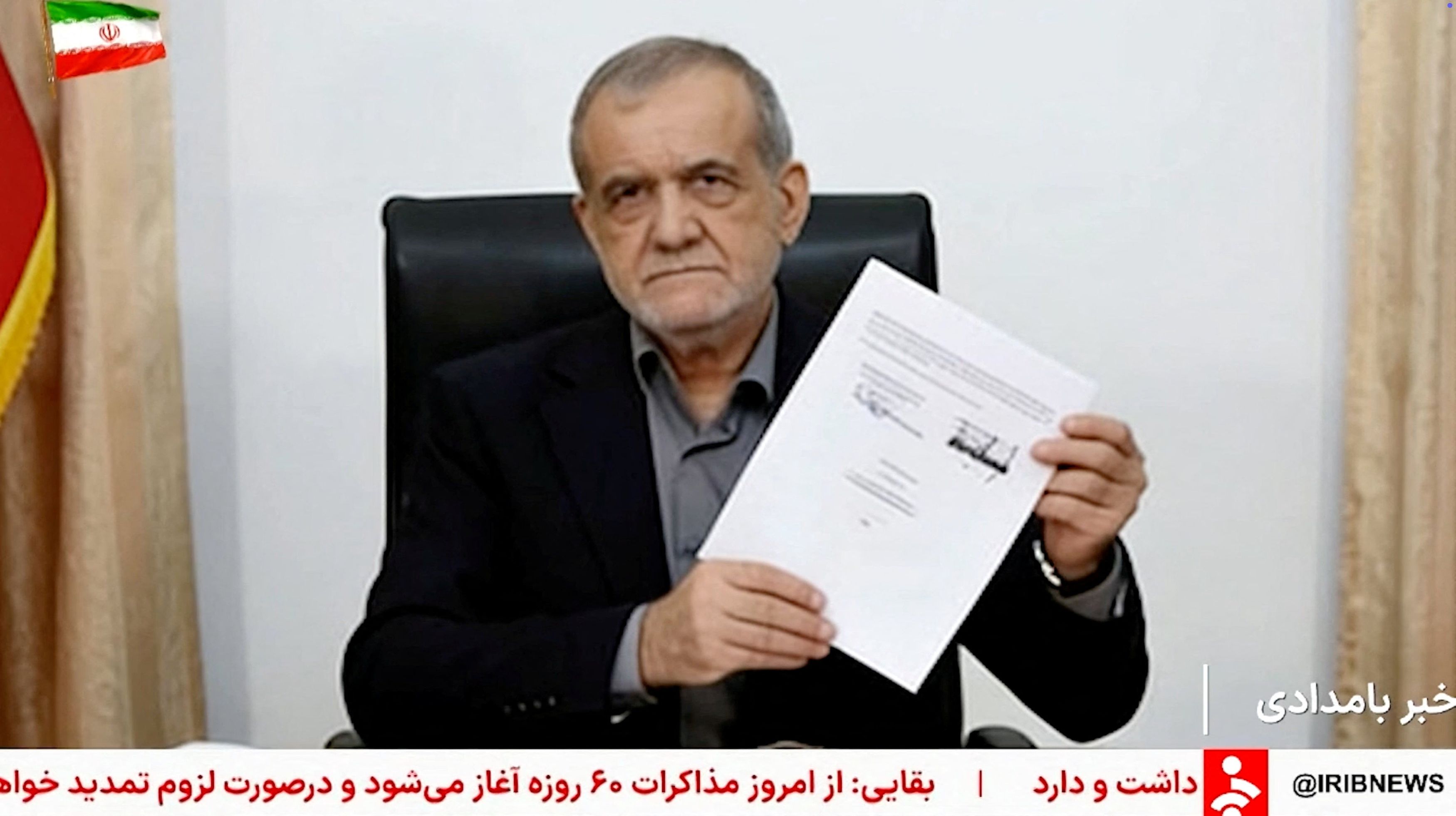
The 14-point memorandum, signed digitally in English and Farsi by Trump and Iranian President Masoud Pezeshkian, extends an earlier ceasefire by another 60 days and includes a commitment to negotiate a final deal.
Iran’s foreign ministry said the agreement was already in effect from Wednesday.
The deal calls for an immediate end to military operations on all fronts, including Lebanon, and commits both sides to avoid further threats or use of force against each other.
The agreement also states that both countries will respect each other’s sovereignty and territorial integrity and avoid interference in each other’s internal affairs.
The final agreement is expected to be negotiated within 60 days, with the possibility of an extension if both sides agree.
Strait of Hormuz to reopen
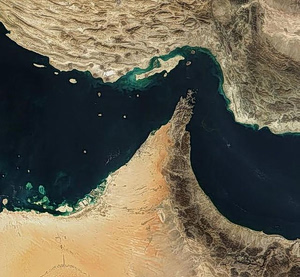
A key element of the agreement involves the Strait of Hormuz, a major global shipping route that had been effectively closed during the conflict.

Vessels at the Strait of Hormuz, as seen from Musandam, Oman, June 16, 2026. REUTERS/Stringer
Under the memorandum, the United States will begin removing its naval blockade and fully end it within 30 days. Iran has agreed to facilitate the safe passage of commercial vessels through the Strait of Hormuz for 60 days, with traffic gradually restored as technical and military obstacles are removed.
The agreement also includes plans for discussions with Oman and other Gulf states on the future administration and maritime services of the strategic waterway.
Oil prices fell following news of the deal, with Brent crude dropping below $80 per barrel to its lowest level since the war began, although prices later recovered after Trump warned of possible renewed violence.
Sanctions relief and $300 billion reconstruction plan
The agreement outlines plans for the United States and regional partners to develop a reconstruction and economic development plan for Iran worth at least $300 billion.
Washington also agreed to work toward ending sanctions against Iran, including U.S. sanctions and measures linked to international resolutions, according to the memorandum.
The deal includes provisions for releasing frozen or restricted Iranian funds and allowing them to be used by beneficiaries designated by Iran’s central bank.
The agreement also includes temporary measures allowing exports of Iranian crude oil, petroleum products and related services, including banking, insurance and transportation, while broader negotiations continue.
Nuclear program remains a major issue
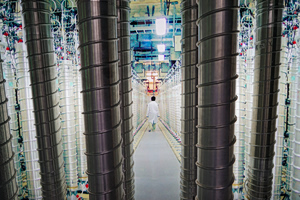
The agreement does not immediately resolve some of the most difficult issues, including Iran’s nuclear program.
Iran reaffirmed that it will not develop nuclear weapons and agreed to discussions on its enriched uranium stockpile.
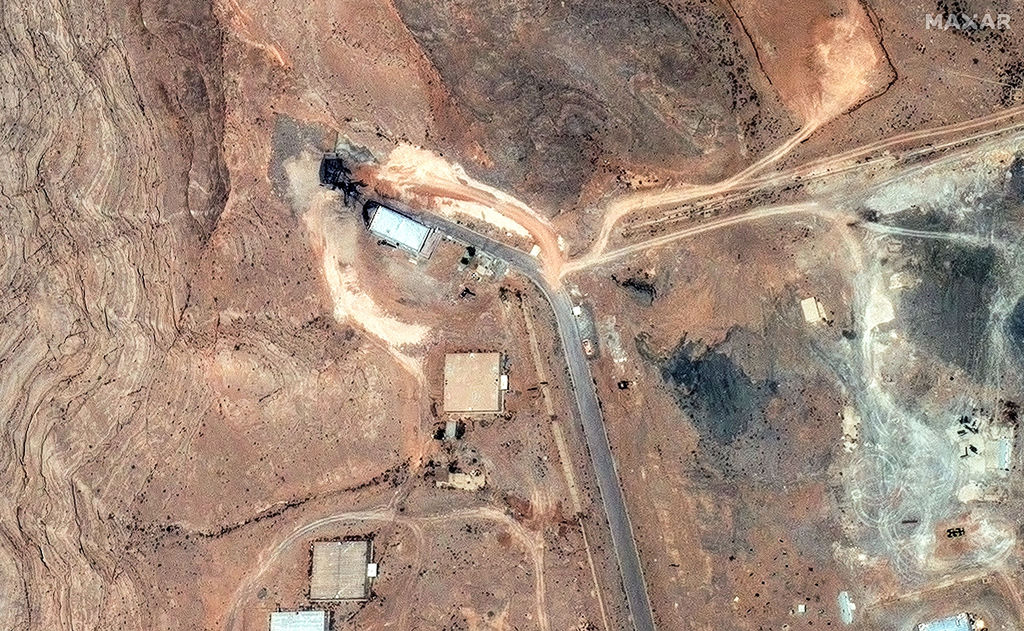
A satellite image shows damage to the tunnel entrances of the Isfahan Nuclear Technology Research Center, following U.S. airstrikes amid the Iran-Israel conflict, in Isfahan, Iran, June 22, 2025. Maxar Technologies/Handout via REUTERS THIS IMAGE HAS BEEN SUPPLIED BY A THIRD PARTY. NO RESALES. NO ARCHIVES. MANDATORY CREDIT. DO NOT OBSCURE LOGO.
The memorandum states that Iran’s enriched material will be addressed through a mechanism agreed by both sides, with “down blending” of the stockpile carried out inside Iran under the supervision of the International Atomic Energy Agency (IAEA).
The final deal is expected to address wider questions including uranium enrichment and Iran’s nuclear needs.
Despite the agreement, Trump acknowledged that Iran had not surrendered its nuclear material, destroyed its ballistic missile capabilities or ended support for anti-Israel groups such as Hezbollah in Lebanon.
He also softened previous statements demanding the destruction of Iran’s missile program, saying it would be unfair for Iran not to have missiles if other countries possess them.
G7 welcomes deal but urges Lebanon ceasefire
G7 leaders welcomed the U.S.-Iran agreement during their summit in Evian-les-Bains, France, and said they were prepared to help implement it.
The leaders of France, Germany, Britain, Japan, Italy, Canada and the United States also called for an immediate ceasefire in Lebanon, where fighting between Israel and Hezbollah has continued despite the broader agreement.
Lebanon remains a major point of tension, with Iran insisting on an end to hostilities there, while Israel has said it was not part of the negotiations and retains the right to use force.
Trump also criticized Israeli Prime Minister Benjamin Netanyahu over Israel’s operations in Lebanon, saying Netanyahu was a good man but sometimes became too aggressive.
“You don’t have to knock down a building every time somebody walks into it that’s from Hezbollah,” Trump said.
Lebanese state media reported fresh Israeli air strikes and artillery fire in southern towns on Wednesday, while Lebanese security sources said Hezbollah launched two drone attacks on Israeli forces. Israel later said five of its soldiers were injured in two Hezbollah drone attacks.
Full 14-point memorandum
The agreement includes commitments to:
- End military operations on all fronts, including Lebanon.
- Avoid threats or use of force between the United States and Iran.
- Complete negotiations on a final deal within 60 days.
- Remove the U.S. naval blockade on Iran within 30 days.
- Restore commercial shipping through the Strait of Hormuz.
- Develop a reconstruction and economic plan worth at least $300 billion.
- End sanctions on Iran under an agreed schedule.
- Ensure Iran does not develop nuclear weapons.
- Maintain the current status of Iran’s nuclear programme during negotiations.
- Allow Iranian oil exports and related financial services under temporary measures.
- Release frozen Iranian assets through agreed procedures.
- Create a mechanism to monitor compliance.
- Begin final negotiations after implementation of key measures.
- Seek endorsement of the final agreement through a binding UN Security Council resolution.