
 Μake us preferred on Google
 Plans for U.S. and Iranian negotiators to begin technical discussions in Switzerland were thrown into uncertainty on Friday after the meeting was postponed, raising questions over the future of efforts to turn an interim ceasefire agreement into a permanent peace deal.
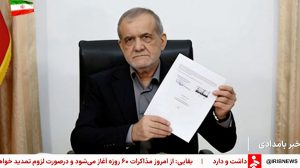
The delay came after the two countries signed a memorandum of understanding earlier this week aimed at ending more than three months of war. The agreement opened a 60-day window for negotiations on some of the most difficult issues, including Iran’s nuclear program and other unresolved matters.
Switzerland said the talks would not take place on Friday but that it remained ready to support future discussions and that preparatory work was continuing.
Key negotiations remain unresolved
The interim agreement did not settle major disputes, instead leaving them for later talks. It requires the United States, Iran and their allies to move toward an immediate and permanent end to military operations on all fronts, including Lebanon.
Preparations for technical talks at the Swiss mountain resort of Buergenstock were already advanced, but as reported in Reuters, U.S. Vice President JD Vance dropped plans to attend, according to people familiar with the matter. Iran’s lead negotiator Mohammad Baqer Qalibaf was also not expected to take part, according to a source familiar with Tehran’s position.
The White House said the U.S. delegation had been ready to travel once arrangements were finalized, but added that the logistics of the negotiations had never been simple or predictable.
Lebanon fighting adds pressure
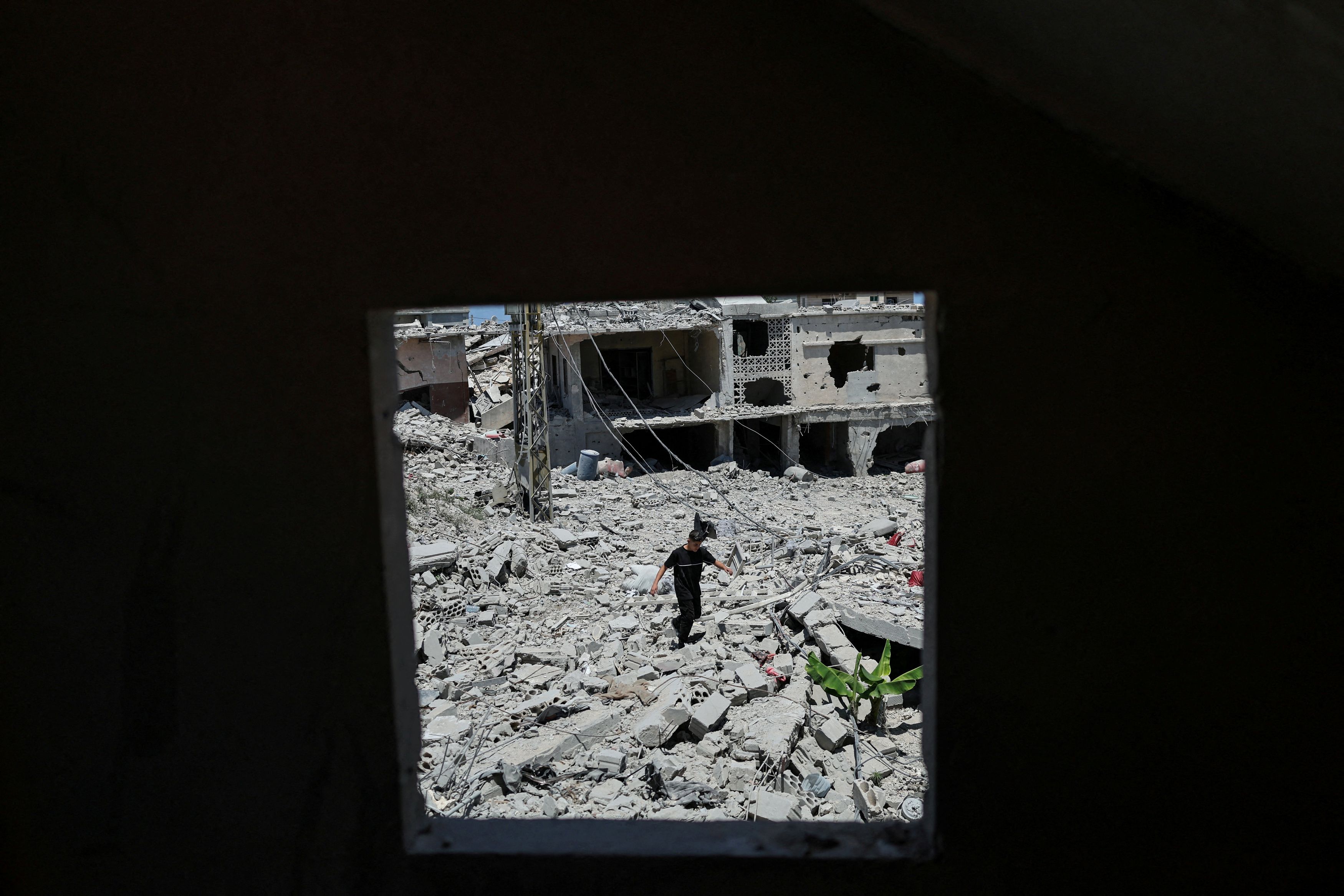
Efforts to secure a broader agreement are also facing challenges from renewed violence in Lebanon, where Israel has carried out new attacks against Hezbollah militants.
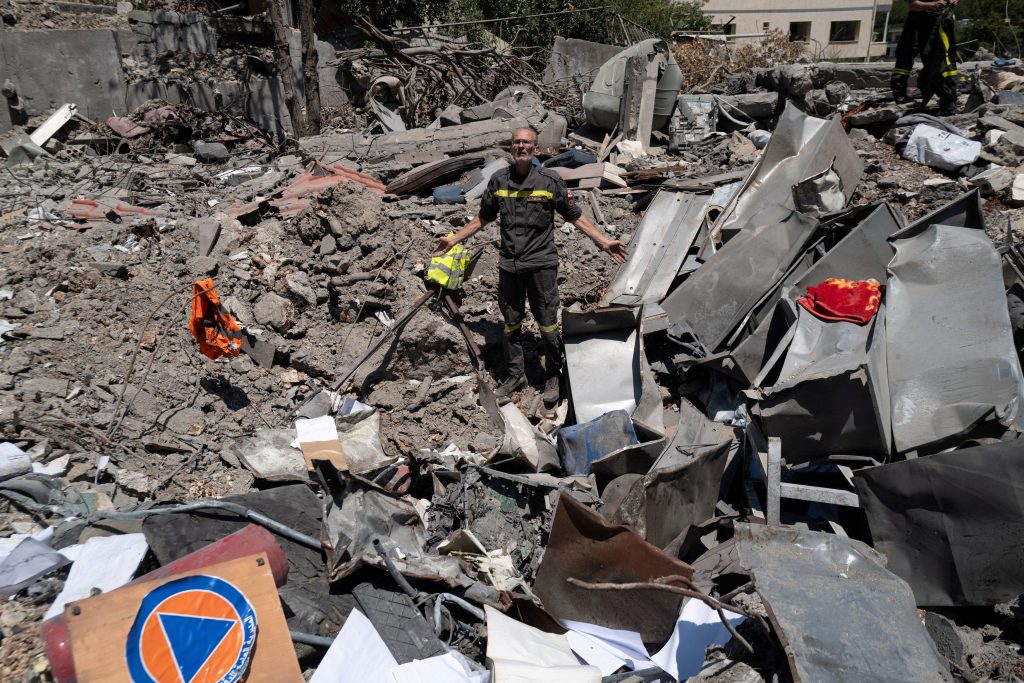
Ali Jaber, 55, a member of the government-run Lebanese Civil Defense, the country’s primary firefighting, first aid, and rescue force, reacts as he stands in a crater at their headquarters in Nabatieh, Lebanon, June 17, 2026, following the deal between the United States and Iran. The headquarters was destroyed in an Israeli airstrike in May. REUTERS/Zohra Bensemra REFILE – CORRECTING INFORMATION FROM “NEAR THEIR HEADQUARTERS” TO “AT THEIR HEADQUARTERS”.
Lebanese authorities said 18 people were killed in airstrikes, while Israel said four of its soldiers died in one of the Iran-backed group’s deadliest attacks of the war.
Israel, which was not part of the U.S.-Iran negotiations, has said it is not bound by the agreement. Fighting in Lebanon had eased earlier in the week but later intensified again.
The conflict that began on February 28 with U.S. and Israeli air attacks on Iran has killed at least 7,000 people, mostly in Iran and Lebanon, while also driving up energy prices and shaking global markets.
Strait of Hormuz and oil markets affected
The agreement has already affected energy markets, with oil prices falling this week as expectations grew that more supplies could return to global markets.
Tankers have begun moving through the Strait of Hormuz, a key waterway that carried nearly one-fifth of global crude oil and liquefied natural gas supplies before it was blockaded by Iran during the war.
The interim deal includes steps aimed at reopening maritime traffic through the strait, with Iran agreeing to support the safe passage of commercial vessels during the negotiation period.
Critics question the agreement
The agreement has faced criticism from some of U.S. President Donald Trump’s Republican allies in Congress, who argue that Washington may have offered too much in exchange for ending the conflict.
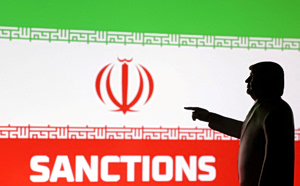
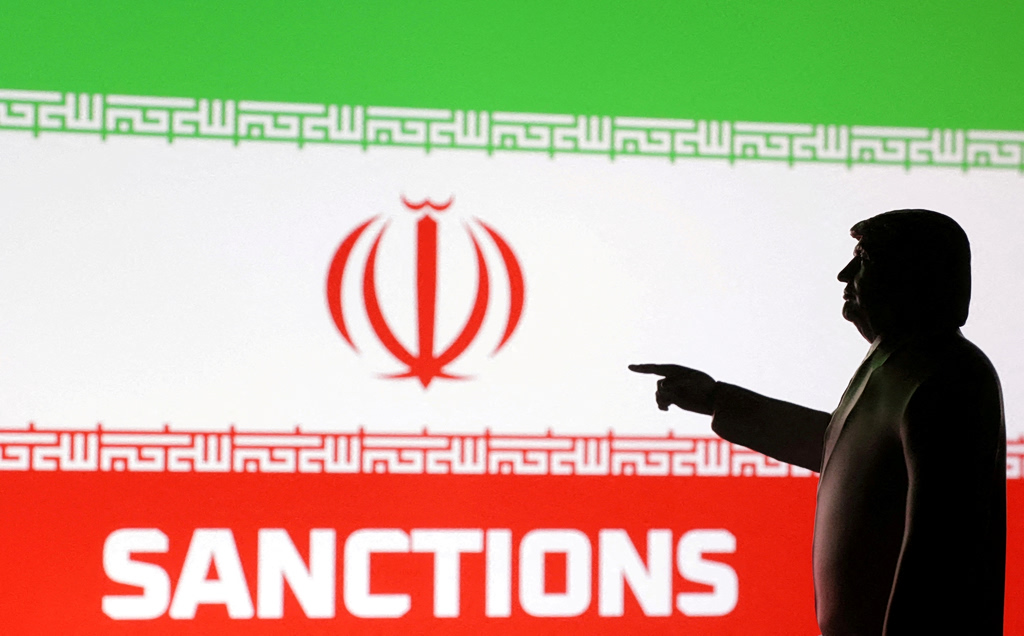
Trump had previously said he would only end the war through Iran’s “unconditional surrender,” but the memorandum instead includes economic measures such as sanctions relief, the unfreezing of Iranian assets and waivers allowing oil exports.
The deal also includes plans for a $300 billion reconstruction fund for Iran and financial measures to support the country after the war.
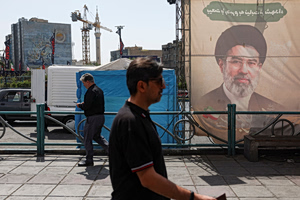
Iran’s Supreme Leader Ayatollah Mojtaba Khamenei said Trump signed the agreement “out of desperation” and warned that future talks on Iran’s nuclear program would not be easy.
“If the American side wants to be too demanding, we will not accept it,” he said.
Iran’s Supreme National Security Council also warned it would respond to any violation of the agreement, saying it would show no leniency until the country’s rights were secured.
Nuclear talks remain the biggest challenge
Under the agreement, negotiators have 60 days to reach a broader deal, unless both sides agree to extend the period.
Iran reaffirmed that it would not develop nuclear weapons and agreed to discuss its enriched uranium stockpile under a future framework involving the International Atomic Energy Agency.
The United States has said it hopes the negotiations could produce a stronger nuclear agreement than the 2015 deal between Iran, the U.S. and other countries, which Trump withdrew from during his first term.
However, critics argue Iran enters the talks from a stronger position after maintaining control of the Strait of Hormuz and gaining access to economic relief measures.
The United States has also said it wants discussions to address Iran’s long-range missile capabilities, adding another challenge to already complicated negotiations.