BELFAST—What if Walmart had a bar?
It’s a question frazzled shoppers have pondered for years, wondering whether a few shots would help steel them for Black Friday. Others reckon it would have the chaotic charm of the “Star Wars” cantina. A balcony from which to view the mayhem at the tills below? Even better.
Those supermarket bar dreams are now a reality—at a Lidl in Northern Ireland. And it’s all thanks to the country’s archaic liquor laws.
The German discount store opened its first in-house pub this summer in Belfast’s eastern suburbs. Called the Middle Ale after the store’s center aisle, where shoppers can pick up improbable bargains like inflatable kayaks or bench grinders, it quickly caught the attention of locals like Mark Rowan.
“Did you ever think you’d be going for a pint in the Middle Ale and end up in the middle aisle later buying a chain saw and a lawn mower?” he asked his pal as they filmed themselves bellying up to the bar for a Guinness on opening day.
The pub is decked out in Lidl’s signature bright red, yellow and blue and decorated with jars of instant coffee and cans of house-brand tomato soup. The menu, such as it is, is largely restricted to Lidl potato chips, yet plenty of people walk through the doors, lured by the novelty of seating that resembles shopping carts.
On some nights so many people show up that Lidl employs a team of bouncers to keep the thirsty clientele in check. They don’t always succeed. The first night the bar was open, police had to be called in at closing time to break up a fight.
But the Middle Ale is more than a marketing stunt. It’s a useful workaround.
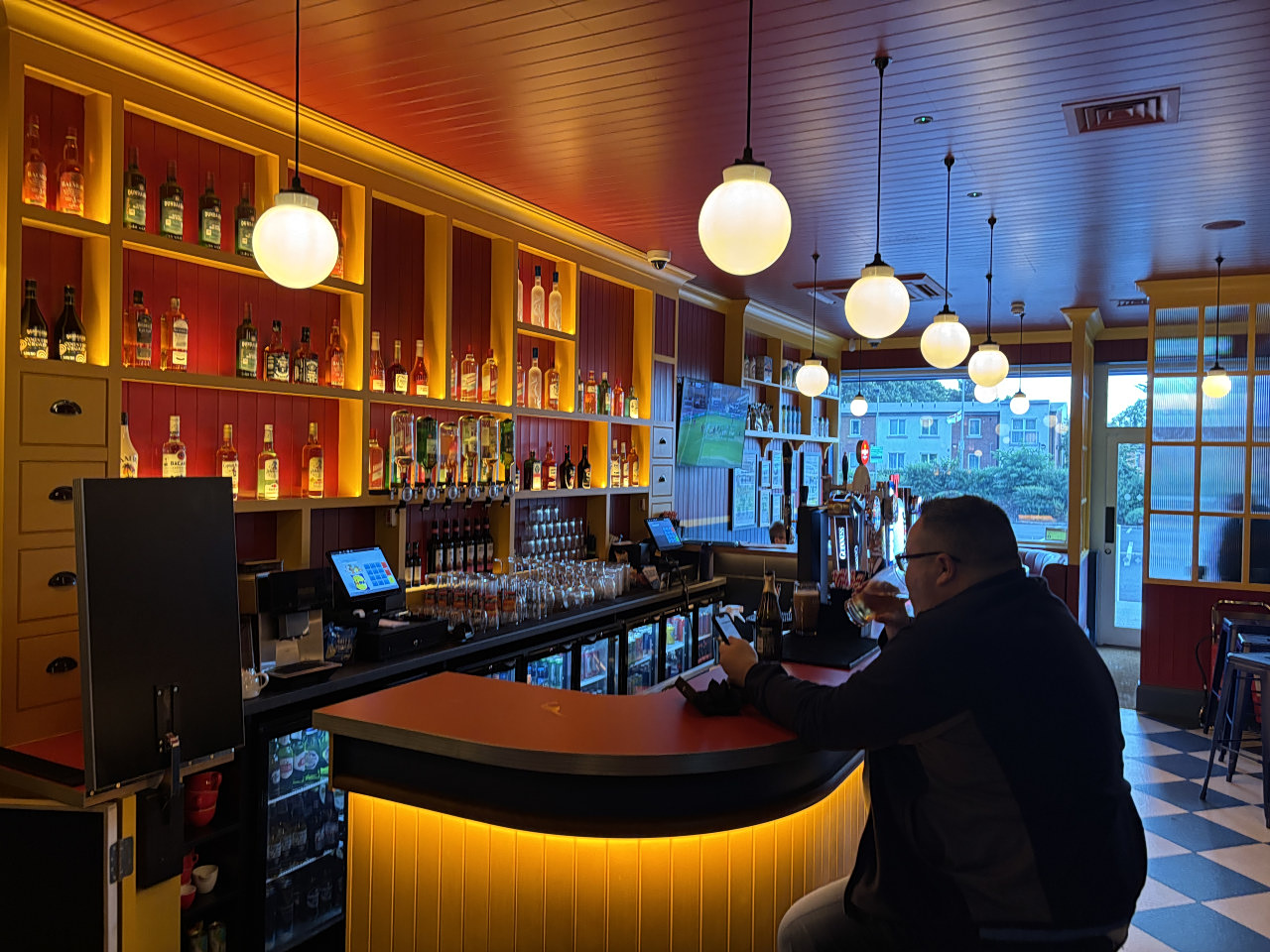
One customer compared the pub to chugging a beer in a children’s daycare center. James Hookway/WSJ
When Ireland was split into two over a century ago, the mostly Protestant leaders of Northern Ireland made stricter licensing laws a point of difference from the predominantly Catholic south. Presbyterian firebrands such as the late Ian Paisley later tried to make it even harder to get a drink, calling alcohol “the devil’s buttermilk.”
Liquor licenses are still tightly regulated today. You can only get one if you’re buying it from a business that’s closing or no longer selling alcohol. You also have to demonstrate there aren’t enough bars or liquor stores nearby to serve the local population.
Lidl, which operates some 13,000 outlets around the world, including hundreds in the U.S., failed to get a license to sell wine, beer or spirits in its Belfast store. So it decided to do something else: Apply for a pub license. Customers are allowed takeaway drinks sold around the back.
Its unorthodox solution is now giving some unexpected momentum to a long-running debate on whether the country should loosen its liquor laws. Plenty of people here wish it would.
Holly Lester, a music producer and DJ, argues the legislation has stunted Northern Ireland’s dance-music scene. Belfast has fewer venues than comparable cities, such as Dublin or Glasgow, which means acts often wait months for a slot, killing the spontaneity that helps drive any nightlife economy. Many popular artists try their luck in London instead.
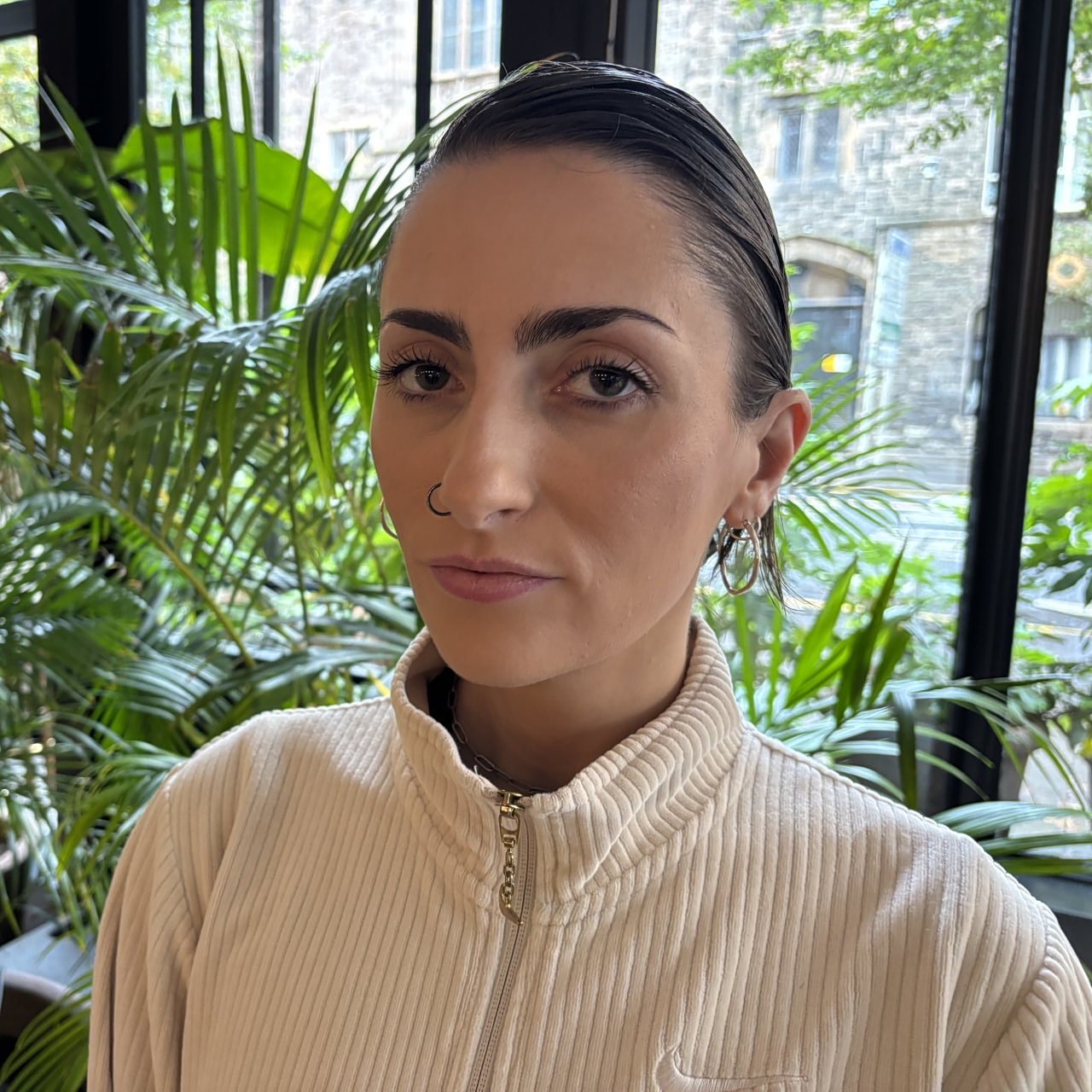
Holly Lester had to launch her new EP at a Belfast cafe instead of a club. ‘And even that was hard.’ James Hookway/WSJ
Existing pub owners worry that loosening the regime would wipe out the large sums of money they invested to obtain their licenses in the first place. Over time liquor licenses have become an odd sort of asset, costing £120,000, or about $159,000, or more, according to the independent study prepared for the government. Many license holders regard the right to sell them as a kind of nest egg.
Others in the industry warn that changing the laws risks too many new players entering the market at the same time, and they won’t all survive.
“There’s always a lot of talk about the risk that comes with opening a new venue,” said Boyd Sleator, who co-founded Free the Night with Lester. The group, which lobbies for more opportunities for Belfast artists, is now challenging the government’s position on liquor licensing in court.
“You need to give businesses the chance to fail as well as succeed,” he said.
As the debate rumbles on, the staff at the Middle Ale continue serving up pints of Guinness and Lidl’s own range of lagers and wines.
“It’s a good excuse to go shopping,” said Irene McAllister. “If I forget the toilet roll, I can just come back for another glass of wine on the way.”
Others have come from as far as the U.S. and New Zealand. On one recent day, a group of German visitors turned up to see what one of their country’s best-known stores is up to.
“When I heard there was a Lidl pub I knew I had to come,” said Tobias Baumann, who was visiting from Mainz, near Frankfurt. “It was at the top of my bucket list.”
His favorite snap was the shot he got of the sign in the men’s room: “I only came for the bread.”