 Μake us preferred on Google
 LISBON—The agent manning the passport control line warned me not to be fooled by the mercifully short line that greeted me upon arrival at Portugal’s Lisbon International Airport on the last Friday in July.
She urged me to arrive at the airport three or four hours before my return flight and head straight for border control. “Don’t shop. Come right here.”
The front-desk agents at my airport hotel, hearing too many horror stories from guests stuck in hourslong passport lines this summer, similarly suggested a god-awful-early alarm.
It was all for naught. There was no line when I got to passport control. I had two hours to kill before my flight to London.
My experience in Lisbon and relatively smooth sailing in Paris and Rome this month underscore the crapshoot travelers face under the European Union’s new automated border-control system. You might breeze through or be stuck in line for a few hours, sometimes on the same trip.
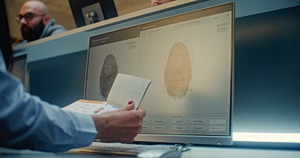
The system, officially rolled out in April, relies on facial recognition and fingerprints instead of the age-old practice of getting your passport stamped at a booth. The government says it will speed things up and improve security.
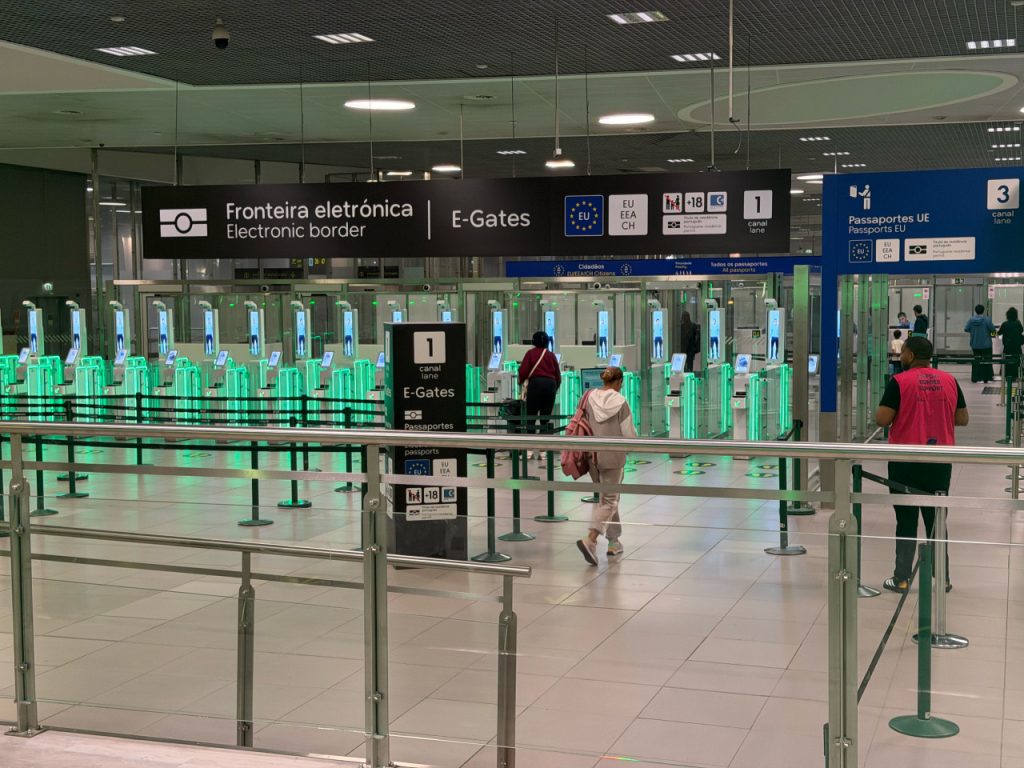
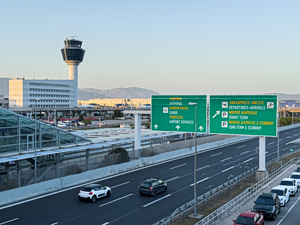
Lisbon International Airport Dawn Gilbertson/WSJ
For now, though, EES, which stands for entry/exit system , has become the curse word of the summer for some Europe-bound U.S. travelers. The registration kiosks at airports can be confusing —“Just how do I scan that passport properly?”—so the process takes time and lines form. Tech glitches happen. Staffing shortages crop up. There are even reports of some older travelers’ fingerprints not being recognized .
The lines got so bad at one point that aviation-industry officials begged the president of the European Commission to ease up on the new rules through the summer. (The request was denied, but efforts to blunt the negative impact continue.)
Jason Wageman, a project manager from Poulsbo, Wash., was unaware of EES ahead of a late-June vacation to Belgium with his wife. He says the new system “swallowed” their three-hour layover in Amsterdam.
His wife had no issues at the kiosk; he was rejected and directed to a line for manual verification. That line was so long that officials started pulling out passengers with imminent departures.
“The wait in the line is not the stressful part for me,” he said. “It’s about the fact that I’m about to miss my flight.”
They made it to the gate as the plane to Brussels was boarding. The return trip through Amsterdam, by contrast, was seamless, Wageman said.
My trips to and from London and Paris, Lisbon and Rome to test the system over a peak-summer week were free of snaking lines. But there was plenty of confusion and a hodgepodge of procedures.
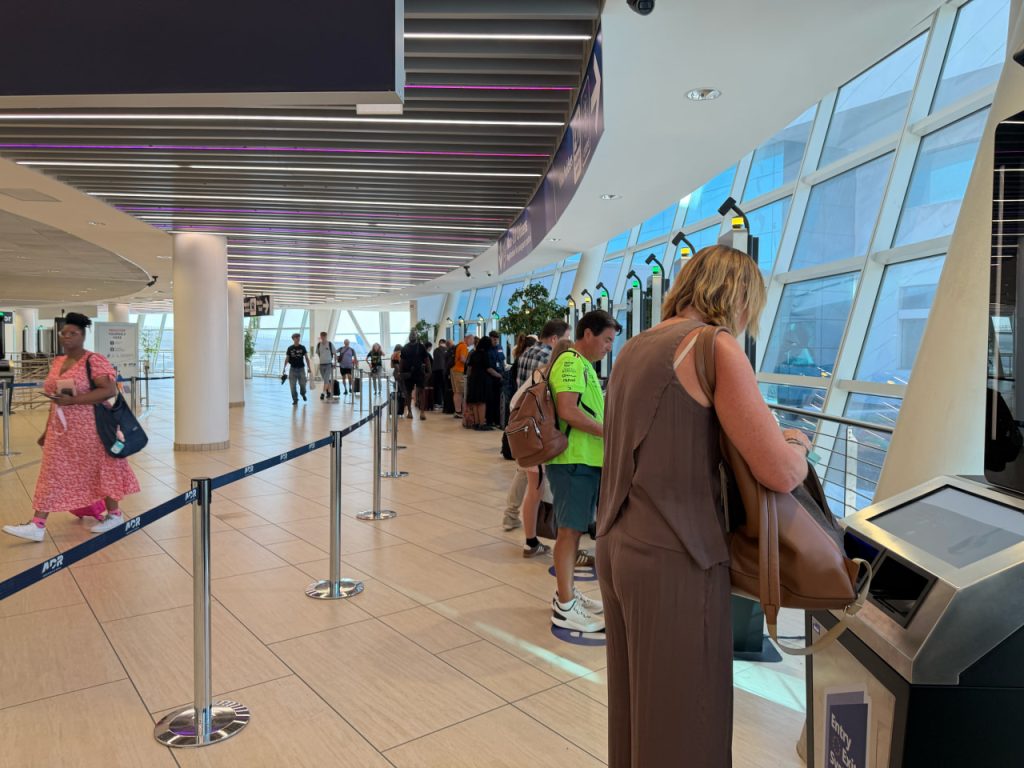
Lisbon International Airport Dawn Gilbertson/WSJ
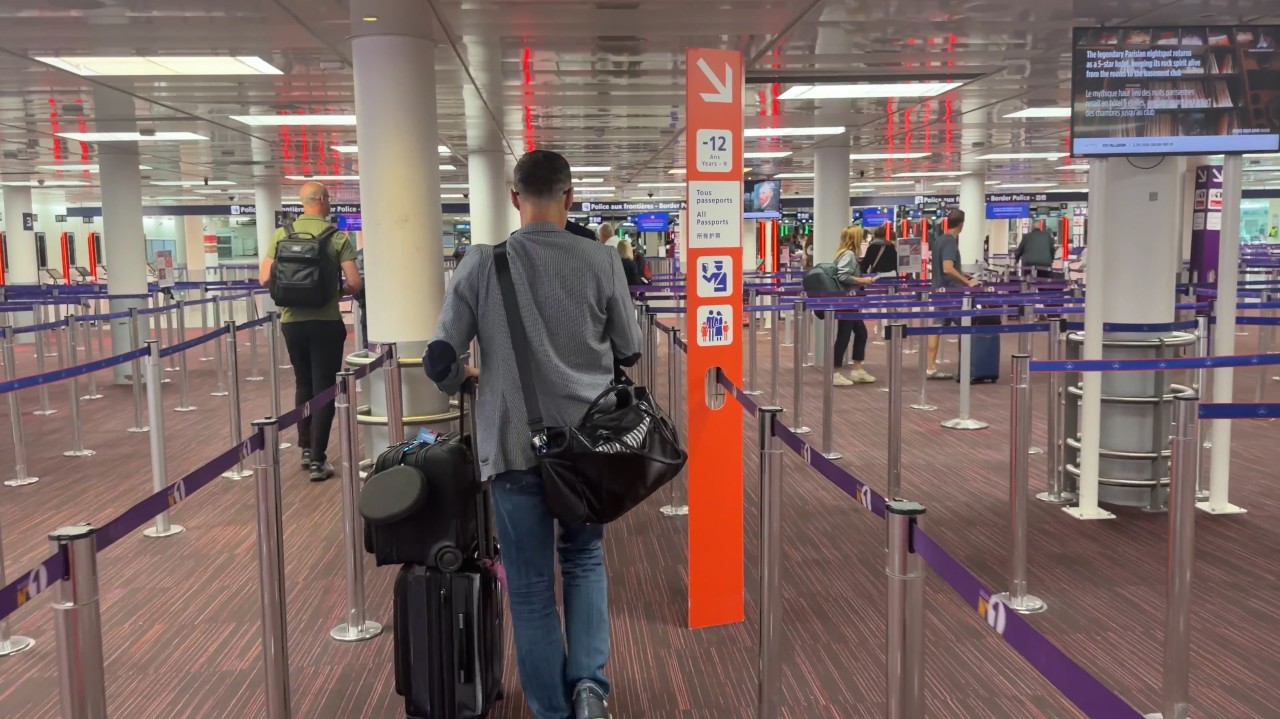
In Paris, the EES registration kiosks were off during my midmorning arrival from the U.S. (Airports reserve that right to manage crowds.) I was directed to a booth and got to go through the priority line because I flew premium economy. It didn’t speed things up, and the passengers using e-gates appeared to go faster. The process felt achingly slow on no sleep but only took about 10 minutes.
I wasn’t fingerprinted at the booth and still don’t understand why. I wasn’t fingerprinted the next day at Paris’ Gare du Nord train station ahead of a Eurostar train to London, either.
Yes, the rules apply to cross-border train travel, too. An agent there said I must have been fingerprinted at the airport. I wasn’t. Either way, there were multiple kiosks at Gare du Nord and I breezed through after a passport scan.
The first time I was asked for fingerprints was at the border-patrol booth on arrival in Lisbon. It must have registered that time. Upon arrival in Rome from London a few days later, I was able to use the e-gates with no issues.
The steps at the e-gates: passport scan, photo, fingerprints. The passport check process took about 10 minutes from start to finish. The line for those ineligible for the biometric scans, including families with children younger than 12 and those without a chip in their passport, was nearly an hour long.
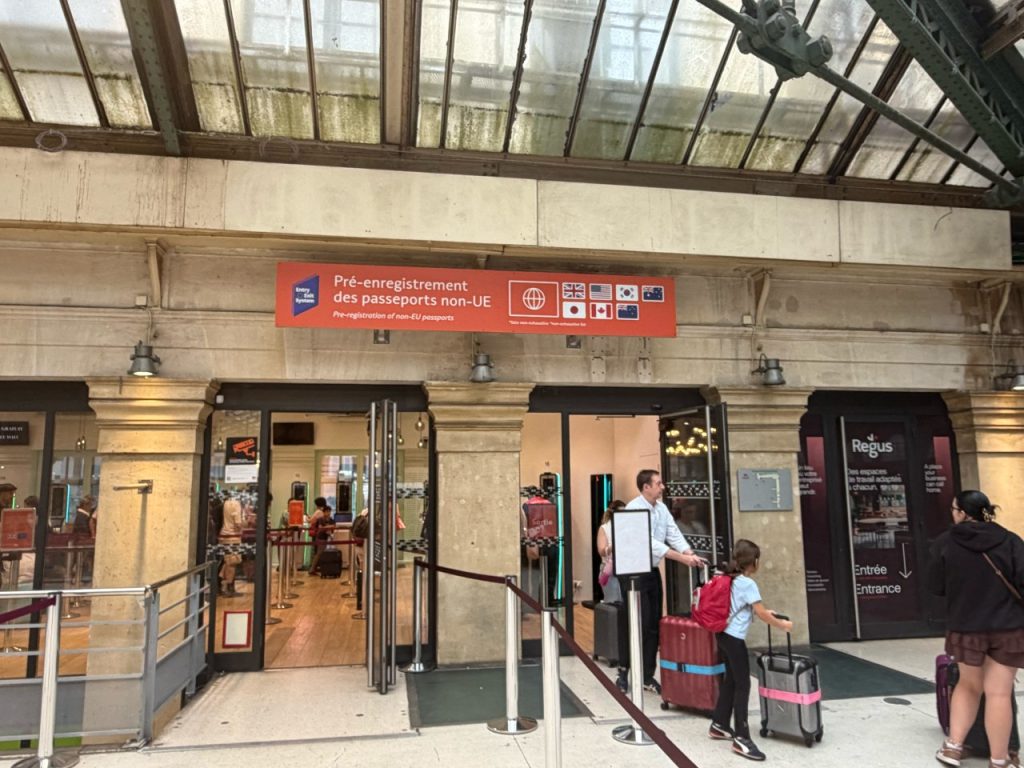
Paris Gare du Nord Station Dawn Gilbertson/WSJ
Here’s my advice if you have a trip to the Schengen-area countries in Europe or are planning one:
Build a buffer. Until the kinks are worked out, you never know what you’re going to find for passport lines when entering or leaving Europe, though one tool from a travel influencer aims to help. Make sure you build time into your schedule for long waits, especially if you have a connection.
Ditto for car services and first-day activities . Don’t schedule anything too close to flight arrival or departure. On departure, budget plenty of time for airport check-in and security. Passport control is after that.
Brush up on the EES system before your trip . You don’t want to be fumbling around at the kiosks, annoying the passengers in line behind you. For starters, the EU details it all online and created a YouTube video about it . There is no advance sign-up required, unlike the U.K.’s new entry rules .
Take particular note of passengers who can’t use the automated biometric system, including children younger than 12. That might portend longer lines. See if the airport you’re headed to has family lanes that might speed the process.
Consider VIP services. If all of this sounds like too much to handle, there are services that will escort you through the process at some airports for a fee. SkyVIP’s pitch, for example: “EES lines are getting longer, SkyVIP helps you move faster.” The price for two travelers arriving in Paris on the Friday of Labor Day weekend: $400.
Write to Dawn Gilbertson at dawn.gilbertson@wsj.com