 Μake us preferred on Google
 For over three years, Jared Kushner has striven to build a set of luxury hotels and resorts in a corner of Eastern Europe that U.S. investors typically overlook.
It isn’t going well.
In the past two weeks, a proposed Kushner development on an environmentally protected beach in Albania has exploded as a political issue in the country. Thousands of protesters have been marching daily, a special prosecutor has opened an investigation into land sales, and even the European Union’s executive arm has voiced concerns to Albania about the project, sparking worries it could imperil the country’s bid to join the bloc.
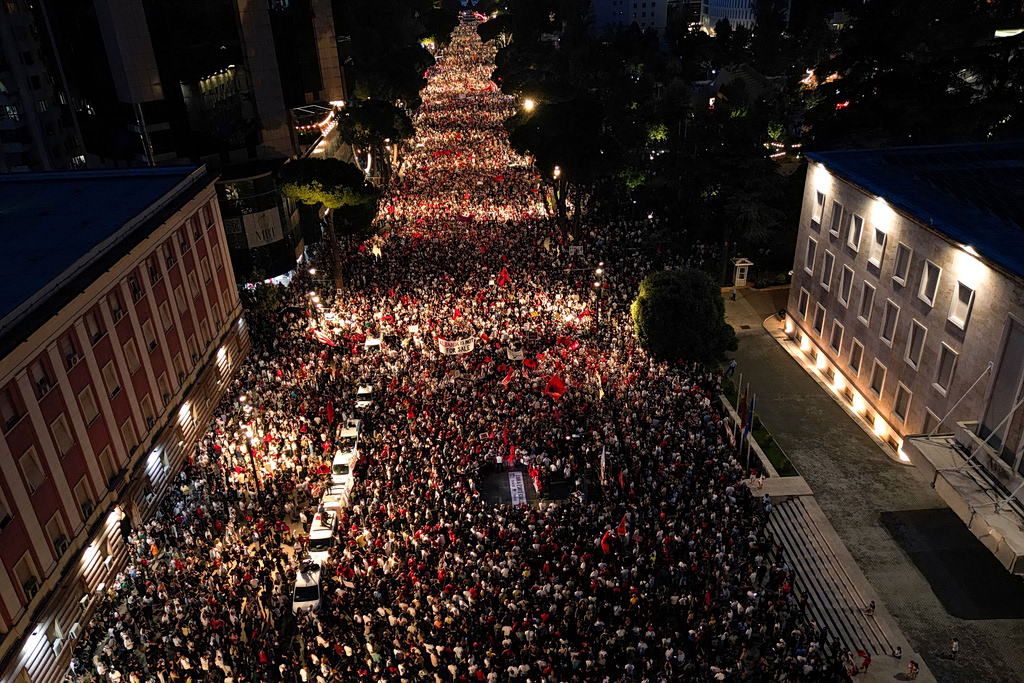
A drone view of protesters waving Albanian National flags during a protest against a luxury resort, a plan by a company linked to U.S. President Donald Trump’s son-in-law, Jared Kushner, on an environmentally sensitive part of the Adriatic coast, in Tirana, Albania, June 10, 2026. REUTERS/Florion Goga
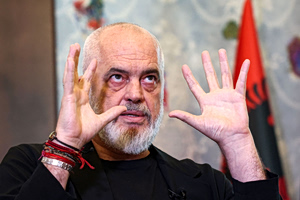
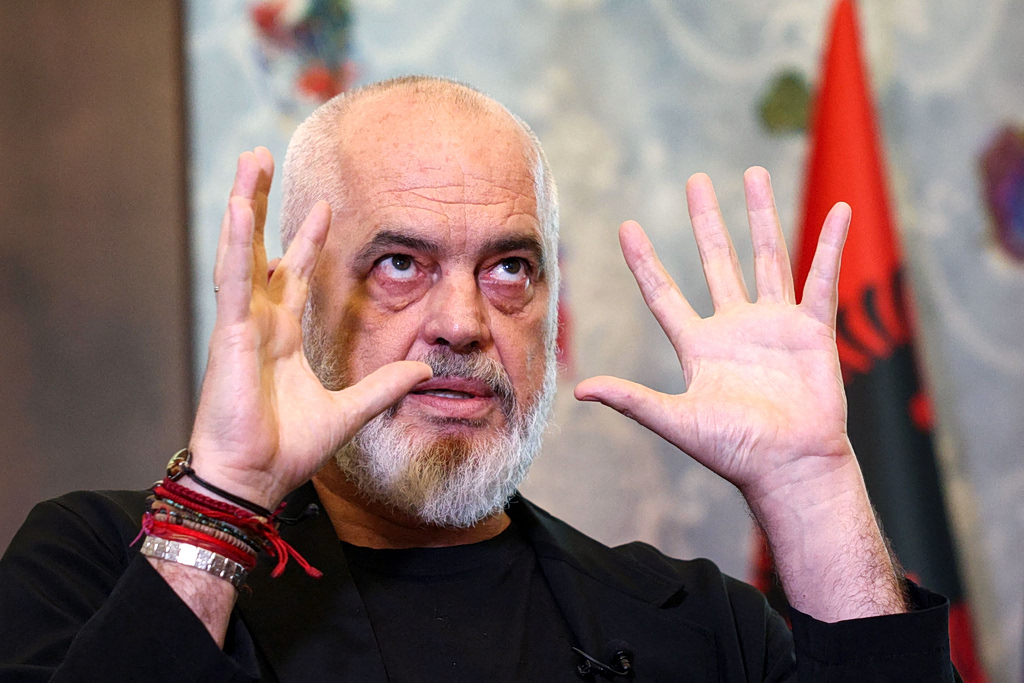
On the streets of the capital Tirana, protesters have cited the project to air grievances about unchecked power, environmental degradation and real-estate development, putting the country’s Prime Minister Edi Rama on the defensive. In near-daily appearances, he has vowed to press ahead, characterizing the luxury development as an economic boon for one of Europe’s poorest countries.
Asher Abehsera , one of Kushner’s partners leading the development, said in an interview that he respects the will of Albanians to protest, adding that many of the concerns raised around the project come before the company has released details of what it wants to build.
“There will be engagement and there will be dialogue,” Abehsera said. “We’re committed to creating a place that I think not only will be beautiful, but will be enjoyable.”
The imbroglio has numerous echoes of Kushner’s experience late last year in Serbia, where he had hoped to build a Trump-branded hotel on a Belgrade site once bombed by the North Atlantic Treaty Organization. A special prosecutor’s investigation into fast-tracked government approvals followed, protests mounted and Kushner pulled out.
While President Trump’s family has met little resistance in the U.S. Congress over its growing business ties—with crypto companies, drone makers and a nuclear fusion company —Kushner’s development projects have managed to strike a nerve in the Balkans.
The projects in both Albania and Serbia have served as rallying points for critics with a range of frustrations, blurring traditional political dividing lines. In Albania, protester demands vary from halting the project, to reversing a law allowing development in protected areas, to ending corruption.
“Protests are very common—but this one is different,” not rooted in political partisanship, said Fred Abrahams , who wrote “Modern Albania,” a book on the country’s transition from communism. It is “the largest, most significant civic and civil protest since the fall of communism,” he said.
Kristina Xhiveli , a 30-year-old environmental engineer who marched in Tirana last week, said people are exhausted with concerns about bad infrastructure, healthcare, education and other issues. “And then you hear the prime minister talking about €4 billion resorts,” she said. “Isn’t that madness?”
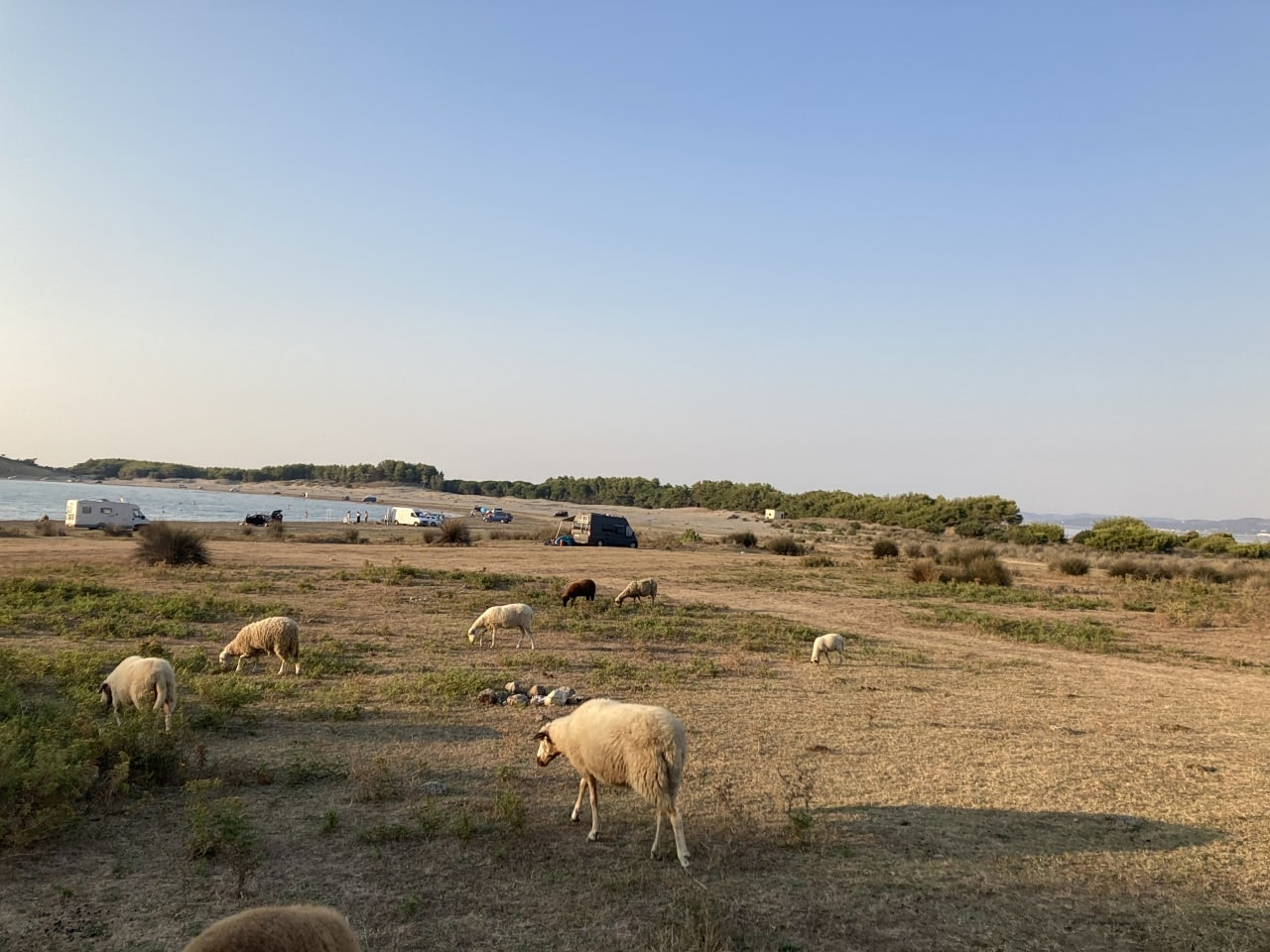
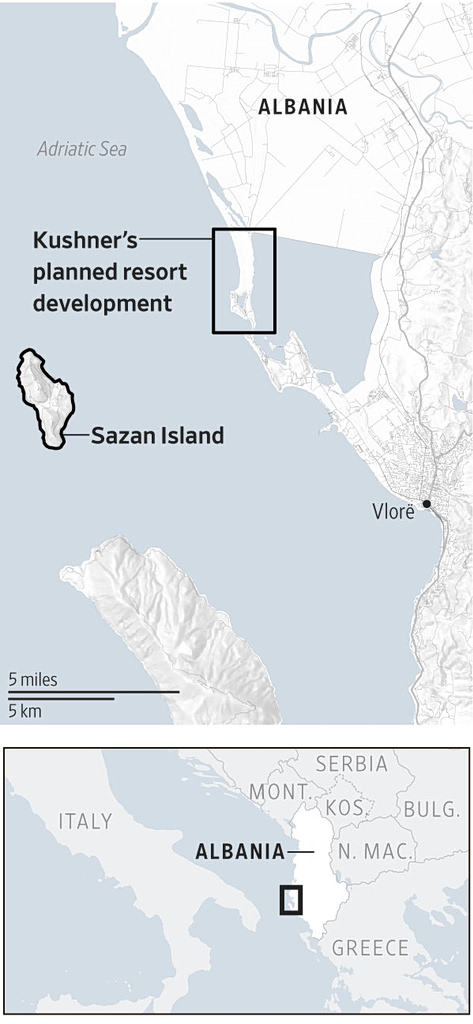
The Kushner-tied Albanian real-estate project calls for a swath of hotels, villas and other development on a striking spit of beach in the village of Zvërnec. Flamingoes feed in a lagoon on the thin peninsula—protesters call the demonstrations the flamingo revolution—and sheep graze next to locals swimming in the ocean.
It is one component of a $5 billion development planned by Kushner and his partners, one of the largest-ever foreign investments in the country. The other piece, the former military island of Sazan, envisions an ultraluxury resort just across the water from Zvërnec.
In an awkwardly timed podcast released at the same time protests were gaining steam, Ivanka Trump extolled the Sazan project, calling it a “private island,” adding, “We have 5 miles of beachfront” at Zvërnec.
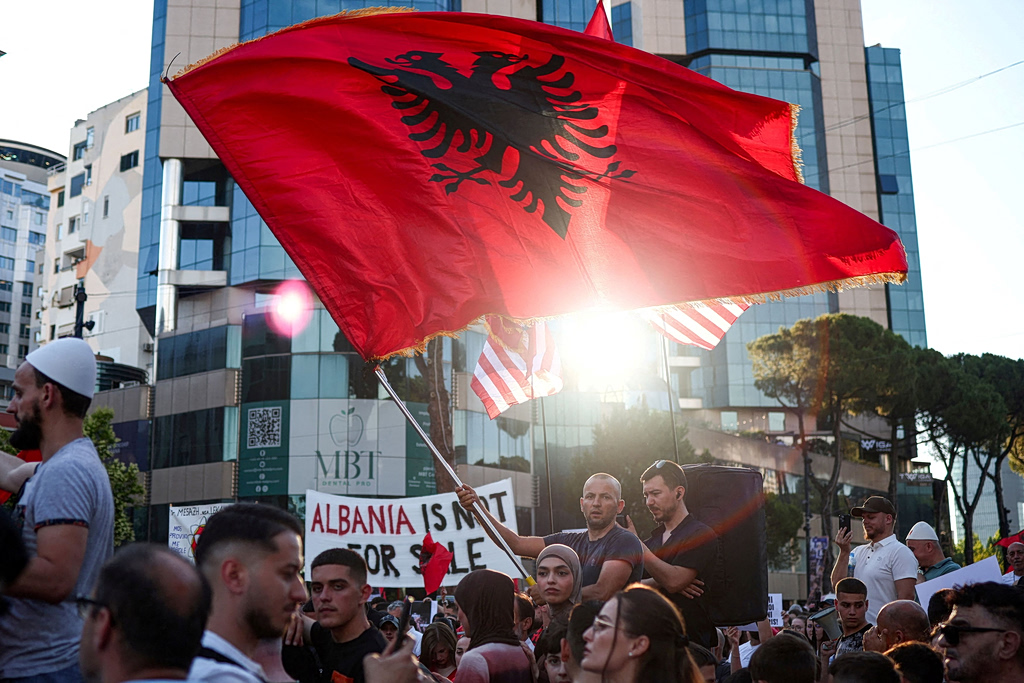
A protester waves an Albanian national flag during a protest against a luxury resort, a plan by a company linked to U.S President Donald Trump’s son-in-law, Jared Kushner, on an environmentally sensitive part of the Adriatic coast, in Tirana, Albania, June 10, 2026. REUTERS/Florion Goga TPX IMAGES OF THE DAY
While Kushner and his partners have been looking to build on the peninsula for over two years, it burst into public awareness last week after the development group lined the site with fencing and spools of razor wire. Villagers and protesters who arrived soon after clashed with private security guards—and a video spread rapidly of a man being roughed up and dragged through the dirt by guards.
Abehsera, Kushner’s partner, described the video as “horrific,” and said it was a bad decision to put up the fence, one he attributed to an unnamed third-party contractor.
Kushner hasn’t had much involvement since becoming involved with the Trump administration on Middle East peace deals, Abehsera said. He said he is largely working with the Al-Khayyat family of Qatar, which is an investor in both Albanian projects.
Kushner declined to comment.
Kushner, who led his family real-estate firm before joining the first Trump administration, segued into private equity soon after Trump left office, initially raising over $3 billion, mostly from sovereign-wealth funds or royal families of Saudi Arabia, Qatar and the United Arab Emirates.
At the same time, he began a return to real estate, winning the blessing of the leaders of Serbia and Albania to develop property on publicly owned sites: the former army headquarters in Belgrade and the island of Sazan. Critics said both countries were trying to curry favor with President Trump—something both leaders deny. Kushner has said his business partners shouldn’t expect anything in return from the U.S. government.
Kushner has said he spotted an opportunity in Belgrade, where local developers have experienced booming demand. In Albania, he was intrigued by growing tourism in a Mediterranean country that lacked the same high-end hotel infrastructure of its coastal neighbors of Greece and Montenegro.
He chatted with Rama, the prime minister, on a yacht trip to the country, and again at Davos, saying he wanted to invest. His interest was welcomed with open arms. Rama had been trying to position Albania as a destination for luxury tourism, which tends to create far more jobs than midrange hospitality.
While Kushner and Abehsera began negotiating with the government to develop the island of Sazan, Abehsera said he began looking at Zvërnec. Working with the Kastrati family, a large Albanian business owner whose name adorns gas stations around the country, they put together a deal to buy land on the peninsula.
Zvërnec has proven to be a thicket of Albanian property disputes, a common problem given that the country nationalized property during communism then underwent a messy process of returning it to private ownership. Legal fights have clogged courts for years, with cases riddled with allegations of corruption and deed forgery.
The development group bought its land from numerous wealthy companies and families who claimed ownership. Albania’s anticorruption prosecutor is now investigating the land transfers on the site.
Abehsera said the land was “outright purchased” months ago by the developers. A spokesman for the developers said they haven’t been contacted by the prosecutor’s office.
A long list of local villagers and others claim the land is actually theirs—many of whom have been fighting for it in court for years.
One is Petraq Balliu, 61, who has been in court for over two decades to win back land he says his family bought in 1933, and then used it to graze sheep, mules and horses. While a 2003 court decision recognized his ownership, subsequent court cases left it in control of larger landowners.
“I don’t want to build a resort,” Balliu said. “I just want my land back.”
The land was off-limits to development for years given its environmentally protected status. But in 2024, Albania passed a law allowing tourism projects of “five stars” or higher to be built in environmentally protected areas around the country—dovetailing with the prime minister’s strategy for tourism.
Albania’s environmental regulations are now under fire from the EU, which has been considering whether to admit Albania for years. On Tuesday, a spokesman for the European Commission, the body’s executive branch, said the commission had “expressed concerns” about both the project and the environmental impacts of an Albanian law meant to attract large investors. He warned the Albanian government to “refrain from action” that could undermine its effort to join the EU.
The Zvërnec project is still in the planning phase—the fencing and razor wire have come down—and the developers are working on an environmental-impact statement for authorities to review. Albanian officials have yet to finalize an agreement to allow the group to develop the island of Sazan.
Ramez Al-Khayyat, whose family company has developed island resorts in the Maldives and elsewhere and is another Kushner partner in Albania, said that at the end of the day, “the Albanians will decide” if the project proceeds once they see more of the project’s details and its benefits.
“If they see there’s no value in the project, we won’t do it,” he said. He doesn’t think that will happen, he said. “I am not worried.”
Write to Eliot Brown at Eliot.Brown@wsj.com